
Plants
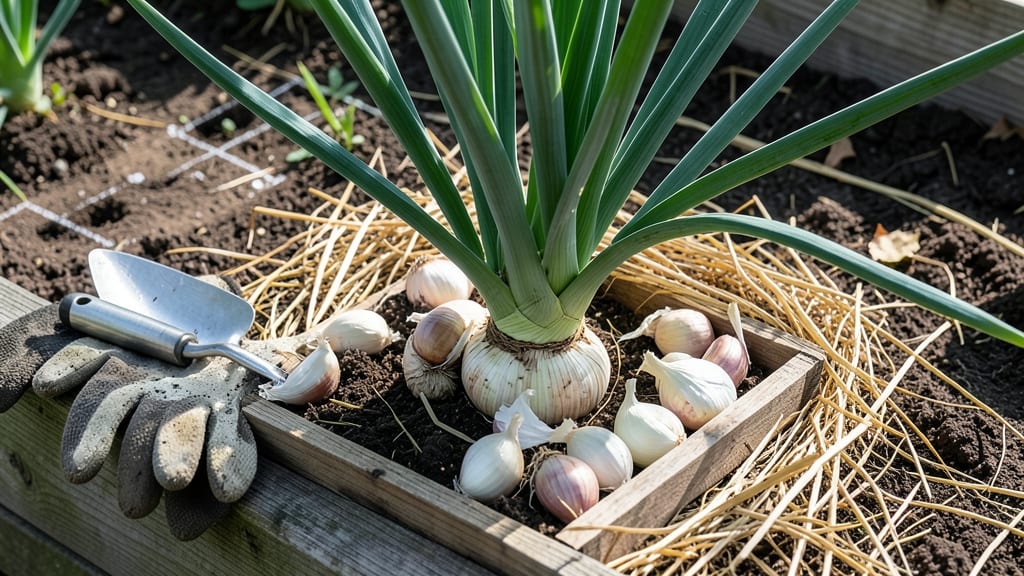
Planting garlic in Virginia at the wrong time can mean the difference between a bountiful harvest and wasted effort. The key window—October through November—lets your 🧄 establish roots before winter dormancy, but miss it, and you risk rot or stunted growth.
Virginia’s 7a climate demands precision: too early, and cloves rot in damp soil; too late, and they won’t mature before summer heat. I’ve grown garlic here for years, and the 4-6 week rule before the ground freezes is non-negotiable for maximizing bulb size.
This guide breaks down the exact planting timeline for your heat zone, plus soil prep tricks to outsmart Virginia’s unpredictable springs. Whether you’re in the Piedmont or Coastal Plain, you’ll learn how to sync your harvest with the June-July window when bulbs are at their peak.
Ready to grow garlic that rivals store-bought? Let’s dive into the frost-free schedule that’ll have your kitchen stocked—and your neighbors asking for cloves by next summer.
Virginia heat zones and garlic planting deadlines by month
Virginia’s USDA heat zones 5b through 8a create distinct planting windows for garlic. In cooler zones like Roanoke (6a) or Blacksburg (6b), you can plant as late as mid-November, while warmer areas like Richmond (7b) or Norfolk (8a) must plant by early November to avoid summer heat stress.
Garlic thrives when planted 4–6 weeks before the ground freezes. In Virginia, this typically means October through early November, but your exact deadline depends on your zone. For example, Charlottesville (7a) gardeners should aim for October 15–30, while Danville (7b) has until November 10.
Miss the fall window? Some gardeners try spring planting (March), but results are inconsistent in Virginia’s climate. Fall-planted garlic develops larger bulbs because it benefits from cold stratification over winter, a process that spring-planted garlic misses.
Here’s how to align your planting with Virginia’s frost dates and heat zones:
| Heat Zone | Best Planting Window | Last Frost Date | Harvest Ready By |
|---|---|---|---|
| 5b (e.g., Abingdon) | October 15–November 15 | November 20 | July 1–15 |
| 6a (e.g., Roanoke) | October 20–November 10 | November 10 | June 20–July 5 |
| 7a (e.g., Charlottesville) | October 15–30 | November 5 | June 15–July 1 |
| 7b (e.g., Richmond) | October 1–15 | November 1 | June 10–25 |
| 8a (e.g., Norfolk) | September 20–October 10 | October 25 | May 20–June 10 |
Use a soil thermometer to confirm readiness—garlic prefers 40–50°F soil. In cooler zones (5b–6a), wait until soil temps drop below 50°F to prevent rot. In warmer zones (7b–8a), plant earlier to avoid summer heat, which can cause bulbs to split or bolt prematurely.
Pro tip: Break apart garlic bulbs into individual cloves and plant them pointy-end up, 2 inches deep, and 4–6 inches apart. Space rows 12 inches apart for airflow and easier harvesting. This spacing also helps prevent fungal diseases like white rot, which thrives in crowded, damp conditions.
After planting, mulch heavily (4–6 inches) with straw or leaves to insulate bulbs during winter. In Zone 8a, where winters are milder, use a light mulch (2–3 inches) to retain moisture without overheating the soil. Remove mulch in early spring to allow soil to warm for regrowth.
Timing isn’t just about the calendar—it’s about soil temperature and frost predictions. Check your local Cooperative Extension Service for first frost dates and adjust your schedule accordingly. For example, Lynchburg (7a) might see frost by November 10, while Williamsburg (8a) could delay until December 1.
If you’re unsure about your zone, use the USDA Plant Hardiness Zone Map to pinpoint your location. Even within Virginia, microclimates can shift planting deadlines by 2–3 weeks.
For instance, mountainous areas (e.g., Shenandoah Valley) may align with Zone 6b, while coastal plains (e.g., Virginia Beach) lean toward Zone 8a.
Remember: Garlic needs 160–240 days to mature, depending on the variety. Plant too late, and you’ll harvest small, underdeveloped bulbs. Aim for a June–July harvest to ensure full bulb formation before summer heat sets in.
Virginia heat zones and garlic planting deadlines by month
Virginia’s USDA heat zones 5b through 8a create distinct planting windows for garlic. In colder zones like Roanoke (6a), aim for October 1-15—6 weeks before the first frost—while warmer areas like Norfolk (8a) can plant until November 15.
The key is ensuring cloves establish roots before winter dormancy.
Missed the fall window? Spring planting (March-April) is possible in Virginia’s mildest zones (7b-8a), but yields are smaller. The 165-day frost-free period in most of Virginia gives garlic enough time to mature if planted correctly.
For example, in Charlottesville (7a), October 15 is ideal, while Blacksburg (6b) gardeners should plant by October 1.
| Heat Zone | Best Planting Window | Last Chance (Late Planting) | Harvest Ready By |
|---|---|---|---|
| 5b-6a (e.g., Shenandoah Valley) | October 1-15 | October 25 | June 20-July 10 |
| 6b-7a (e.g., Charlottesville, Lynchburg) | October 15-November 1 | November 10 | June 15-July 5 |
| 7b-8a (e.g., Richmond, Norfolk) | November 1-15 | December 1 | June 10-June 25 |
Soil temperature is your best indicator for planting. Aim for 40-50°F soil—cold soil (32°F) causes rot, while warm soil (>60°F) delays root growth.
Use a soil thermometer to check depths of 4-6 inches before planting. In Virginia’s Piedmont region, soil temps drop below 50°F by mid-October, so act fast!
Pro tip: Break cloves into individual teeth and plant them 2 inches deep, 4-6 inches apart. This spacing prevents crowding and improves airflow, reducing fungal risks like white rot. In Virginia’s humid climate, proper spacing is non-negotiable for a healthy harvest.
For hardneck varieties (like ‘Music’), plant by November 1 in most zones to ensure scapes form next spring. Softneck types (e.g., ‘Silverskin’) can wait until December 1 in warmer coastal areas. Always adjust for microclimates—elevated gardens in the Blue Ridge cool faster than valley floors.
Missed the deadline? Don’t panic. Spring planting works in zones 7b-8a, but use smaller cloves (they sprout faster) and harvest by August 15 to avoid summer heat stress. Just remember: fall-planted garlic always outperforms spring-planted in Virginia’s climate.