
Plants
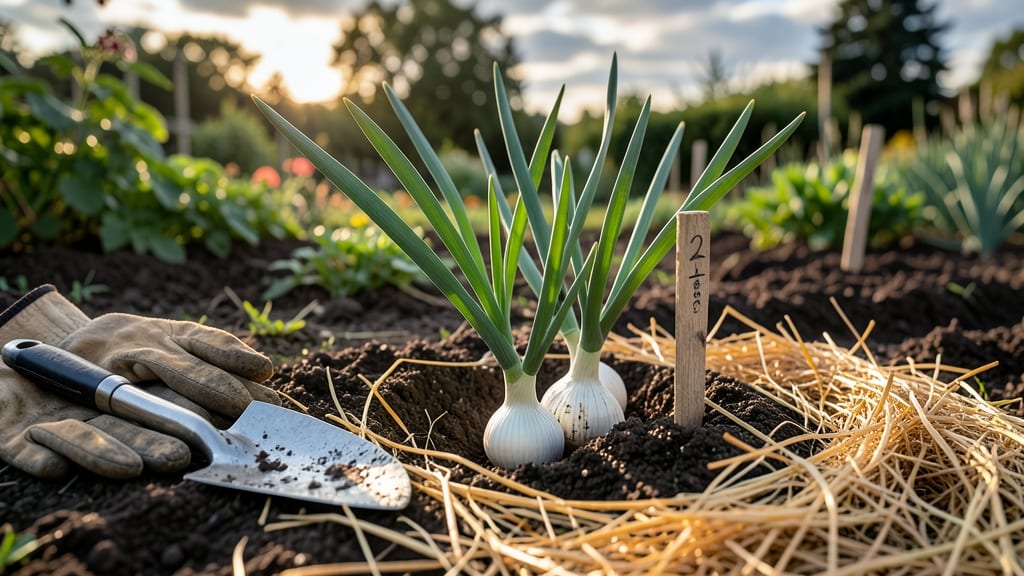
Planting garlic in South Texas isn't just about dropping cloves in the dirt and hoping for the best—it's about timing your harvest to beat the heat and avoid bolting. The perfect window is October through November, when soil temps drop just enough to encourage root growth before winter sets in.
I've learned the hard way that planting too early can leave your 🧄 vulnerable to summer's scorching sun, while waiting too late risks stunted growth. South Texas' unique microclimates mean what works in the Rio Grande Valley won't necessarily suit the Hill Country.
Let me show you how to read your local frost dates and adjust your schedule for maximum success.
You'll discover which garlic varieties thrive best in our 9a-10a zones, how to prep your soil for optimal drainage, and the simple tricks that keep your crop from bolting prematurely. With these insights, you'll go from guessing to growing like a pro—no more wasted cloves or disappointing harvests.
Ready to transform your fall planting into a spring bounty? I'll walk you through every step, from soil prep to post-harvest care, so you can enjoy plump bulbs ready by April or May. Let's get those cloves in the ground at exactly the right time!
South Texas garlic planting calendar: months by microclimate Zone
South Texas spans USDA hardiness zones 8a through 9b, creating distinct microclimates where garlic thrives—or fails—based on precise timing. The North Texas Panhandle (Zone 8a) has cooler winters with earlier frosts, while South Texas (Zone 9b) near the Gulf Coast enjoys milder winters and later planting windows.
Even within these zones, elevation and urban heat islands shift ideal planting dates by 2-4 weeks.
Garlic needs 60-80 days of cool weather (50-60°F soil temps) to form bulbs before summer heat triggers bolting. In South Texas, this means planting 4-6 weeks before your average first frost date—typically mid-October to early November for most regions.
But your exact window depends on which microclimate you’re in, as shown below.
Use the summary table to find your zone’s ideal planting window, then verify local conditions using the Texas A&M AgriLife Extension’s frost maps or your county’s last frost date averages. Pro tip: Plant Silverskin varieties (like 'Texas Early White') in warmer zones—they handle heat better than softer-skinned types.
| Zone | Microclimate | Ideal Planting Window | Soil Temp Goal | Key Consideration |
|---|---|---|---|---|
| 8a (North) | Panhandle, Amarillo, Lubbock | September 20 - October 15 | 55-65°F | Earlier frost risk; use cold-hardy varieties |
| 8b (Central) | Abilene, Waco, San Antonio | October 1 - November 1 | 60-68°F | Balanced frost dates; watch for early heat waves |
| 9a (South) | Austin, College Station, Corpus Christi | October 15 - November 15 | 65-70°F | Later frost dates; prioritize heat-tolerant varieties |
| 9b (Far South) | Brownsville, Harlingen, Rio Grande Valley | November 1 - December 1 | 68-72°F | Minimal frost risk; extend window with shade cloth |
For Zone 8a gardeners, aim to plant by October 15 to ensure bulbs mature before spring heat arrives. In Zone 9b, you can push planting to early December, but use 30% shade cloth to protect cloves from premature bolting.
My personal trick? Plant a test row in late October—if scapes appear by February, you’ve planted too early.
Soil temperature is more critical than air temperature. Use a soil thermometer to confirm temps are below 70°F at planting.
In urban areas like San Antonio or Houston, heat islands can raise soil temps by 5-10°F, so plant on north-facing slopes or raised beds with black plastic mulch to cool the soil.
Adjust for elevation changes: Every 1,000 feet gain shifts ideal planting 2 weeks earlier. For example, Hill Country gardeners (Zone 8b) at 2,000 feet should plant by October 1, while coastal Zone 9b gardeners near the Gulf can wait until November 15.
Verify your local frost dates using the National Weather Service’s climate data or your county extension office. For instance, Midland (Zone 8b) averages its last frost on February 1, while Brownsville (Zone 9b) rarely sees frost.
Planting too late risks bulbs maturing in summer heat, leading to small, pungent cloves.
Pro move: Plant garlic in containers if your yard’s microclimate is unpredictable. Use 5-gallon pots with well-draining soil and move them to partial shade during spring heat. This gives you flexibility to adjust location as temperatures shift.
Remember: Garlic planted in summer (June-August) will bolt immediately—it’s not worth the risk. Stick to fall planting, and you’ll harvest plump, flavorful bulbs by April or May before the real Texas heat sets in. 🧄
How to avoid garlic bolting in South Texas heat: proven prep tips
South Texas’s scorching summers can turn your garlic crop into bolt-prone disasters if you don’t plan ahead. The key to avoiding premature bolting lies in soil prep, variety selection, and heat management. Let’s break down the proven strategies that keep your garlic focused on bulbs—not flowers.
First, choose the right garlic varieties for your climate. ‘Silverskin’ garlic thrives in heat, while ‘Artichoke’ types need cooler conditions. For South Texas, opt for heat-tolerant hardnecks like ‘Texas Early White’ or ‘Creole.’ These varieties resist bolting better under prolonged heat.
Next, focus on soil preparation. Amend your garden beds with 2-3 inches of compost to improve drainage and moisture retention. Garlic hates soggy roots, which accelerate bolting. Test your soil’s pH—aim for 6.0-7.0—and adjust with lime or sulfur if needed.
🌱
Garlic Bolting Prevention: Do’s & Don’ts
- Plant heat-tolerant varieties (e.g., ‘Silverskin’)
- Use shade cloth (30-50%) in peak summer
- Mulch with straw or grass clippings
- Water deeply in mornings
- Plant too early (before 60°F soil temps)
- Over-fertilize with nitrogen (promotes leaves)
- Ignore drainage issues (soggy soil bolting)
- Skip fall planting (critical for Texas)
Shade cloth is your secret weapon against bolting. Install 30-50% shade cloth over garlic beds when daytime temps exceed 90°F. This reduces heat stress without starving the plants of light. Secure the cloth 2-3 feet above the soil to allow airflow and prevent fungal diseases.
Mulching is another game-changer. Apply 3-4 inches of straw or grass clippings around garlic plants to retain moisture and cool roots. Avoid thick mulch layers, which can trap heat. Replenish mulch every 4-6 weeks to maintain effectiveness through South Texas’s long growing season.
Finally, time your watering correctly. Deep watering early in the morning ensures roots absorb moisture before the heat of the day. Avoid overhead watering, which can encourage fungal diseases. Reduce watering slightly as harvest approaches—stressed bulbs mature faster and are less likely to bolt.
With these strategies, your garlic will stay focused on bulb development instead of flowering. The result? Plump, flavorful cloves ready for harvest by April or May. Happy gardening! 🌿