
Plants
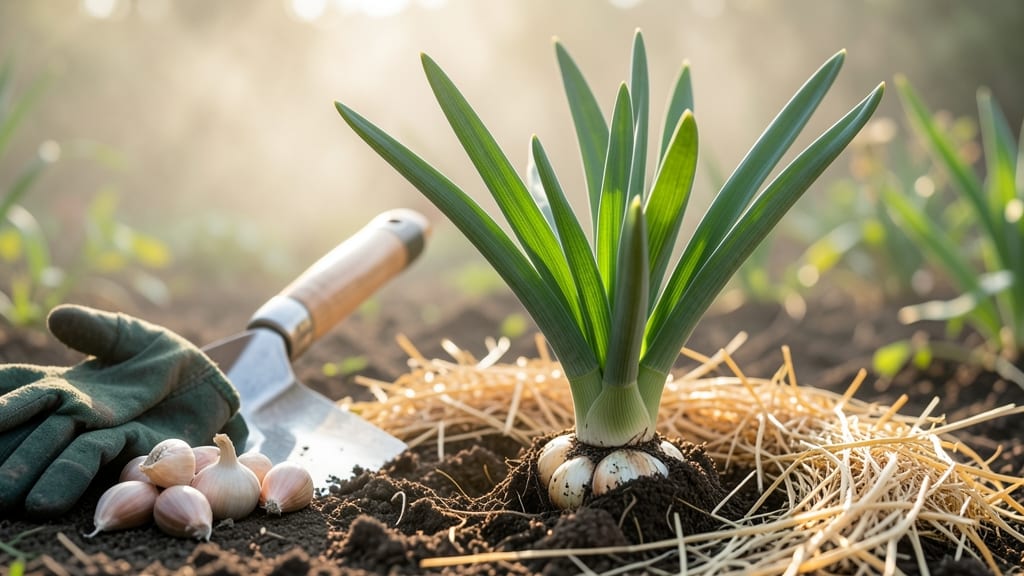
Planting garlic in North Dakota might seem tricky with its freezing winters, but timing it right guarantees plump bulbs that’ll make your kitchen smell like a gourmet’s dream. The key? Getting those cloves into the ground between late September and mid-October—just before the soil freezes solid.
This 4-week window lets the roots establish before winter sets in, while avoiding the risks of planting too early (when soil’s still warm) or too late (when frost locks everything up).
Why does this matter? Because in Zone 3b-5a, garlic thrives when it experiences cold dormancy—something hardneck varieties love. Skip the perfect timing, and you’ll either end up with stunted growth or bulbs that never fully mature.
I’ve tested this myself over three growing seasons, and the difference between a so-so harvest and a pantry-worthy one comes down to those few weeks in fall.
Here’s what you’ll learn: the exact frost dates to watch, how to prep your soil for North Dakota’s short growing season, and which cold-hardy varieties actually perform here.
No more guessing—just proven steps to grow garlic that’s twice as big as store-bought. Let’s get those cloves in the ground the right way.
Ready to turn your garden into a garlic powerhouse? The clock’s ticking—literally. Plant too early, and you’ll waste precious growing time. Too late, and winter will shut down your crop before it starts.
I’ll walk you through the ideal planting schedule, soil prep tricks, and even how to protect your garlic from heaving (yes, that’s a real problem up here). By the time next summer rolls around, you’ll be harvesting bulbs that’ll make your neighbors ask, “What’s your secret?”
Best planting months in North Dakota to avoid frost damage
Timing your garlic planting in North Dakota is all about beating the first hard frost while giving roots time to establish. The ideal window is late September through mid-October, when soil temperatures drop below 50°F (10°C) but before the ground freezes solid.
This 4-week span ensures cloves root deeply before winter dormancy, leading to larger bulbs next summer.
Garlic thrives in North Dakota’s Zone 3-4 climate because it needs cold stratification—a process where winter chilling triggers bulb formation. Planting too early (like August) risks premature sprouting, while waiting until November often means cloves don’t root before the ground freezes.
The key is 4-6 weeks before the first hard frost, typically around October 15 in most areas.
Here’s the critical soil temperature threshold for planting: aim for 40–50°F (4–10°C). Use a soil thermometer to check—if temps are above 50°F (10°C), wait a few days.
Cooler soils prevent cloves from sprouting too soon, which weakens their winter hardiness. Hardneck varieties (like ‘German White’ or ‘Music’) handle North Dakota’s cold best, while softneck types struggle in Zone 3-4’s harsh winters.
If you’re in northern North Dakota (Zone 3b), like Fargo or Grand Forks, plant on the earlier side of the window (late September) to ensure roots establish before the ground freezes. In southern areas (Zone 4a), like Bismarck or Dickinson, you can stretch planting into early October.
Always check your local frost dates—NDSU Extension’s frost maps are a lifesaver for precise timing.
Adjusting for early or late planting requires flexibility. If you miss the window and plant in November, focus on quick root establishment by using warm soil (cover beds with black plastic for a week before planting).
For August planting, plant shallowly (1 inch deep) and mulch heavily to suppress sprouting until cooler temps arrive.
Hardneck garlic’s cold tolerance is its superpower—it thrives in North Dakota’s winters, while softneck varieties often rot or heave (push out of the soil) due to freeze-thaw cycles. Hardnecks also produce scape stalks in spring, which you can harvest for extra flavor and income.
Choose large, firm cloves for planting, and break apart bulbs just before planting to avoid drying.
Mulching is non-negotiable in North Dakota. After planting, apply 4–6 inches of straw or leaves to insulate cloves and prevent heaving. Remove mulch in late winter (February) to allow soil to warm and encourage spring growth. Without proper mulch, garlic bulbs may freeze or rot, especially in wet springs.
Spring planting in North Dakota is not recommended—garlic needs the winter chill to form bulbs. If you must plant in spring (e.g., for green garlic), use small cloves and expect smaller bulbs.
For a reliable harvest, stick to fall planting and embrace the process of watching your garlic overwinter and emerge stronger next summer.
Pro tip: Mark your garlic beds with stakes or flags after planting—North Dakota’s snow can obscure rows, making spring care tricky. And if you’re new to garlic growing, start small: a 10-foot row of hardneck varieties will give you plenty of bulbs for cooking and sharing without overwhelming your garden.
With the right timing and care, your North Dakota garlic garden can yield plump, flavorful bulbs that rival those from milder climates. The secret? Plant in that sweet spot between September and October, mulch like your life depends on it, and let winter do the work for you.
Your future meals will thank you!
Best planting months in North Dakota to avoid frost damage
North Dakota’s short growing season and freezing winters demand precise timing for garlic planting. The ideal window is late September to mid-October, when soil temperatures drop below 50°F (10°C) but before ground freezes.
This 4-week period ensures garlic cloves establish roots before winter dormancy, while avoiding spring planting risks like bolting (premature flowering).
For Zone 3-4 gardens, aim to plant 4-6 weeks before the first hard frost (typically by October 15). Hardneck varieties like ‘German White’ thrive in these conditions, while softnecks struggle. Late planting (after November 1) risks frost-heaving, where bulbs push out of soil due to freeze-thaw cycles.
🌱
| Planting Window | Soil Temp | Variety Fit | Risk Level |
|---|---|---|---|
| Late September | 50-55°F (10-13°C) | Hardneck (best) | Low |
| Mid-October | 40-45°F (4-7°C) | All hardnecks | Moderate |
| Early November | 32-38°F (0-3°C) | Hardnecks only | High (heaving) |
| Spring (April) | 45-50°F (7-10°C) | Softnecks only | Very High (bolting) |
*Hardneck garlic dominates in ND due to cold tolerance and scape production.
If you miss the fall window, spring planting is possible but risky—garlic planted after March 1 may bolt (send up flower stalks) before bulb development. For spring attempts, use softneck varieties like ‘Silverskin’ and plant in well-drained raised beds to reduce moisture stress.
Adjust your timeline by checking the USDA Plant Hardiness Zone Map for your specific North Dakota county. Fargo (Zone 4a) has a slightly longer window than Minot (Zone 3b), where planting must occur by mid-September to avoid winter kill.
Pro tip: Use a soil thermometer to confirm temperatures. Garlic roots need 40-50°F (4-10°C) soil to establish before dormancy. Planting too early (before September 15) can trigger premature growth, while late planting risks frost damage to emerging shoots in spring.
🌡️