
Plants
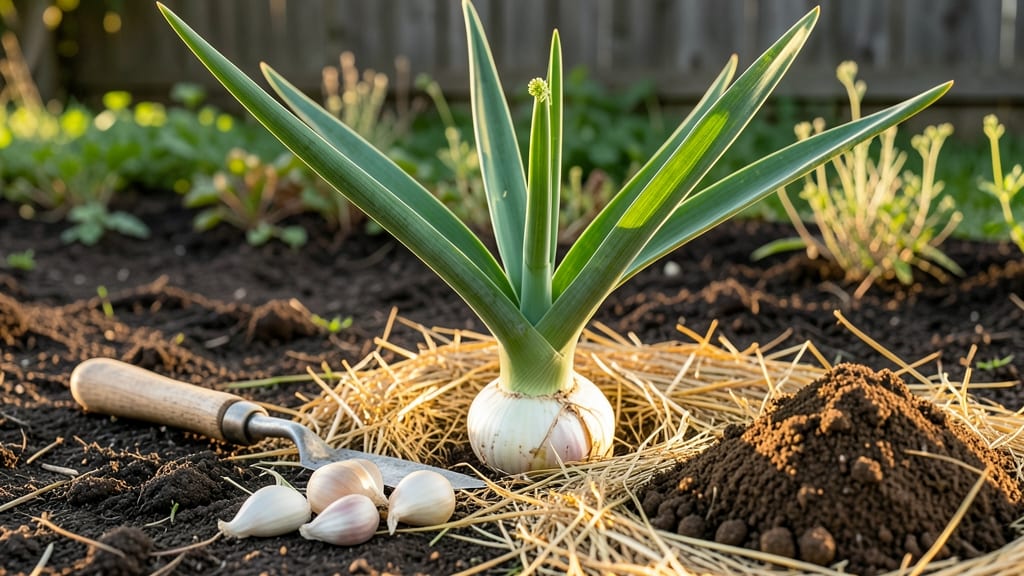
Planting garlic in South Louisiana’s Zone 9a climate isn’t just about timing—it’s about outsmarting the heat and humidity to grow bold, flavorful bulbs that stand up to the coastal challenges.
Most gardeners miss the narrow window between October and November, leaving their harvests vulnerable to summer’s relentless sun or winter’s unpredictable frosts.
I’ve learned the hard way that garlic thrives here when planted early, before the ground cools too much, but not so late that the cloves rot in soggy soil.
The key is balancing fall’s cooler temps with winter’s brief dormancy, ensuring those 🧄 cloves get the chill they need to form plump bulbs by next spring.
In this guide, I’ll break down the exact planting schedule for South Louisiana, including soil prep tricks to handle our heavy clay and how to pick varieties that won’t bolt in the heat.
Whether you’re in New Orleans or Lafayette, these steps will help you avoid the common mistakes that leave gardens empty-handed.
Ready to grow garlic that’s bigger, stronger, and sweeter than anything you’ve bought at the store? Let’s dive into the timing, spacing, and care secrets that make all the difference in our humid subtropical zone.
Optimal garlic planting windows in South Louisiana’s Zone 9a climate
South Louisiana’s humid subtropical climate creates unique challenges for garlic growers. Unlike northern zones, our short, mild winters and long, hot summers demand precise timing. Plant too early, and your garlic bolts in heat.
Too late, and it won’t mature before summer’s relentless sun. The key lies in understanding soil temperature thresholds and coastal humidity’s impact on growth cycles.
Most gardeners fail by waiting until December or later—a common mistake that leads to weak bulbs or no harvest at all. The secret? Planting in late fall (October-November) when soil temps drop below 70°F, or in early January for a spring harvest.
This timing ensures garlic establishes roots before summer heat arrives.
| Planting Window | Soil Temp Threshold | Coastal Humidity Impact | Best Varieties |
|---|---|---|---|
| Late October - November | Below 70°F (21°C) | High humidity speeds root growth but increases fungal risk | Creole, Silverskin |
| Early January | 45-60°F (7-15°C) | Cooler temps reduce humidity stress | Artichoke, Rocambole |
| Avoid After December | Above 65°F (18°C) | Heat stress causes bolting | None recommended |
For fall planting, aim to get cloves in the ground 4-6 weeks before first frost (typically mid-November). Coastal areas may experience earlier frosts due to marine influence, so monitor local forecasts.
The ideal soil temperature for planting is between 45-60°F (7-15°C)—this chills the bulbs just enough to trigger root growth without shocking them.
Spring planting is riskier in Zone 9a but can work if you plant in early January when soil temps are cool. The challenge? Louisiana’s short winter means garlic may bolt before bulbs mature.
Choose heat-tolerant varieties like Artichoke types if attempting spring planting, and be prepared to harvest smaller bulbs.
Coastal humidity plays a surprising role in garlic growth. While it speeds up root development in fall, it also creates ideal conditions for fungal diseases like white rot.
To combat this, always plant in well-draining soil with 2-3 inches of organic mulch. Avoid overhead watering, and space cloves 4-6 inches apart for airflow.
Most gardeners in South Louisiana fail by planting too late—often in December or January when soil temps are already warming. By this point, garlic struggles to establish roots before summer heat arrives.
The result? Small, pungent bulbs or no harvest at all. The solution? Set reminders for October planting and mark your calendar for January as a backup.
Pro tip: Use a soil thermometer to verify temperatures before planting. In coastal areas, soil can stay warmer longer due to moisture retention. If temps exceed 65°F (18°C), delay planting until conditions cool. This small step can mean the difference between a bountiful harvest and total failure.
Remember that harvest timing is just as critical as planting. In South Louisiana, garlic typically matures in April-May after fall planting. Look for brown lower leaves and papery skins—these are your cues to pull bulbs. Don’t wait too long, or they’ll split open in the humid coastal air.
With these Zone 9a-specific timing rules, you’ll grow garlic that’s bold, flavorful, and perfect for Cajun cooking. The secret isn’t just about when to plant—it’s about working with Louisiana’s climate, not against it. 🧄
Optimal garlic planting windows in South Louisiana’s Zone 9a climate
South Louisiana’s humid subtropical climate (Zone 9a) creates a unique challenge for garlic growers—timing is everything. Unlike colder regions, we can’t rely on a long winter dormancy period.
Instead, we must plant garlic 4-6 weeks before the first frost (typically mid-November) to ensure bulbs mature before summer heat arrives. Miss this window, and your garlic will bolt or rot in the heat.
The two best planting windows for Zone 9a are late fall (October-November) and early winter (January). Fall planting gives garlic enough time to establish roots before winter, while spring planting is riskier due to our short, mild winters.
Most gardeners in this region prefer fall planting for larger, more flavorful bulbs.
Soil temperature is your best guide—garlic cloves need soil temps between 40-50°F to sprout. In South Louisiana, this usually aligns with October 15-November 15 for fall planting. Use a soil thermometer to confirm before planting. If temps are too warm, cloves may rot instead of sprouting.
🌱 Garlic Planting Timeline for South Louisiana
| Season | Best Planting Month | Soil Temp | Notes |
|---|---|---|---|
| Fall | October 15 - November 15 | 40-50°F | Ideal for large bulbs; harvest next spring |
| Early Winter | January 1-15 | 50-60°F | Smaller bulbs; harvest same year |
| Spring | Avoid | N/A | High heat risk; poor bulb development |
🌡️ Pro Tip: Coastal areas may need earlier planting due to warmer soil temps.
Many gardeners in South Louisiana fail because they plant too late in fall or too early in spring. Late fall planting (after November 15) risks garlic sprouting before winter, while spring planting (after February) exposes cloves to summer heat stress.
Our humid subtropical climate also means garlic is more prone to fungal diseases like white rot if planted in soggy soil.
For the best results, aim for October 15-November 15 planting. This gives garlic enough time to establish roots before winter and mature before summer’s heat arrives. If you miss this window, consider January planting for a smaller harvest, but expect smaller bulbs compared to fall-planted garlic.
One common mistake is assuming all garlic varieties thrive equally in Zone 9a. Hardneck varieties (like ‘Music’ or ‘German Red’) struggle in our heat, while softneck types (like ‘Creole’ or ‘Silverskin’) handle humidity better. Choose heat-tolerant varieties for larger, more reliable harvests in South Louisiana’s climate.
Remember: Garlic needs 240-300 days to mature. In Zone 9a, this means planting in fall ensures harvest by April-May of the following year. Spring planting may not give garlic enough time before summer’s heat sets in. Plan accordingly to avoid disappointment!