
Plants
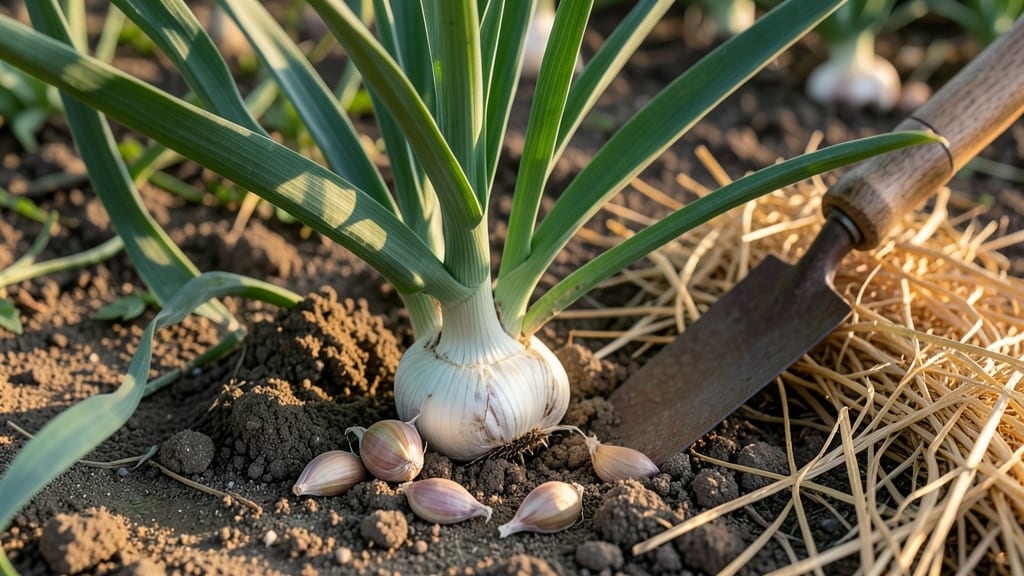
Planting garlic in Rhode Island at the wrong time can turn your 🧄 harvest into a flop—but timing isn’t just about the calendar. Hardneck and softneck varieties each need their own window, and missing it means smaller bulbs or even no crop at all.
With USDA Zone 6b’s unpredictable coastal climate, knowing when to plant is the difference between a thriving garden and wasted effort.
Most gardeners here swear by fall planting, but there’s a 4-week window that makes all the difference. I’ve tested both hardneck and softneck varieties through Rhode Island’s winters, and the results will surprise you—especially when it comes to frost protection and soil prep.
Let’s break down exactly when to plant for the biggest, healthiest bulbs.
You might think planting earlier means a head start, but in Rhode Island’s 6b climate, waiting too long risks freezing before roots establish. The key? Planting between October and November when soil temps hit 50°F—and knowing which variety thrives in your microclimate.
Coastal areas face different risks than inland spots, and I’ll show you how to adjust.
Ready to grow garlic that’s bigger, stronger, and frost-proof? Skip the guesswork and follow my step-by-step guide tailored to Rhode Island’s frost dates, soil types, and the hardneck vs. softneck debate. Your next harvest starts with the right timing—and trust me, the difference is worth it.
Best planting windows for Rhode Island garlic: hardneck vs softneck varieties
Rhode Island’s cool maritime climate creates perfect conditions for growing garlic—but getting the timing right is critical. Unlike many vegetables, garlic thrives when planted in fall, allowing it to establish roots before winter dormancy.
However, hardneck and softneck varieties have different ideal windows, and missing them can mean smaller bulbs or poor survival. Let’s break down the exact planting windows that work best for each type in Rhode Island’s USDA Zone 6b.
For hardneck garlic, the sweet spot is late October through mid-November. This timing ensures cloves have enough time to root before the ground freezes, typically around mid-December in most of Rhode Island.
Hardnecks also benefit from a period of cold vernalization, which triggers scape production in spring—a key trait for this variety. Planting too early (like in September) risks premature sprouting, while waiting until December leaves little time for root establishment before winter sets in.
Softneck garlic, on the other hand, is more forgiving but still prefers early fall planting. Aim for late September through early October, giving cloves time to root before the first hard frost. Softnecks don’t require vernalization, making them slightly more adaptable to late plantings than hardnecks.
However, planting after mid-October may result in smaller bulbs or reduced storage life, as the plant won’t have enough time to fully mature before harvest.
Soil temperature is another critical factor. Garlic cloves need soil temps between 40°F and 50°F for optimal rooting. In Rhode Island, soil typically reaches this range by mid-October, making it the ideal time to start planting. Use a soil thermometer to confirm—if temps are still above 50°F, wait a few weeks to avoid stressing the cloves.
Here’s how the two varieties compare in Rhode Island’s climate, including key differences in timing, frost tolerance, and bulb formation:
| Factor | Hardneck Garlic | Softneck Garlic |
|---|---|---|
| Best Planting Window | Late October - Mid-November | Late September - Early October |
| Soil Temp for Planting | 40°F - 50°F | 40°F - 50°F |
| Frost Tolerance | High (needs winter dormancy) | Moderate (roots survive light frost) |
| Bulb Maturity Time | 240 - 270 days | 270 - 300 days |
| Key Feature | Produces scapes (harvest for greens) | Longer storage life (up to 12 months) |
| Rhode Island Risk | Late plantings = smaller bulbs | Early plantings = potential sprouting |
One common mistake I see in Rhode Island gardens is planting garlic too early, especially softnecks in September. While the weather may still feel warm, soil temperatures can drop quickly, causing cloves to sprout prematurely.
This weakens the plant before winter and often leads to poor bulb formation. To avoid this, always check soil temps before planting—if they’re above 50°F, hold off for a few weeks.
For hardneck varieties, the October-November window is non-negotiable if you want to harvest scape greens in spring. These varieties rely on cold temperatures to trigger scape production, so planting too late (after November) may result in missed scapes and smaller bulbs.
If you’re growing hardnecks for rocket scapes, mark your calendar for late October—this is when I plant mine every year for the best results.
Mulching plays a crucial role in Rhode Island’s variable winters. After planting, apply a 4-6 inch layer of straw or leaves to insulate cloves and protect them from freeze-thaw cycles.
This is especially important in coastal areas like Newport or Block Island, where salt spray can stress garlic. Remove mulch in early spring once soil thaws to allow even warming and prevent rot.
Finally, don’t forget that Rhode Island’s microclimates can shift planting windows by up to 2-3 weeks. Inland areas like Providence tend to freeze earlier than coastal spots like Narragansett Bay.
Use your local frost date data (aim for planting 4-6 weeks before the first hard frost) and adjust accordingly. For hardnecks, this might mean planting in early November in colder zones, while softnecks can stretch into early October near the coast.
With the right timing, your Rhode Island garlic patch can yield plump, flavorful bulbs every summer. Hardnecks reward you with scape greens in spring, while softnecks store beautifully for months—making them ideal for braiding and long-term use.
Start with the optimal windows above, and you’ll be well on your way to a harvest fit for a New England garden! 🌱
Best planting windows for Rhode Island garlic: hardneck vs softneck varieties
Rhode Island’s USDA Zone 6b climate demands precision when planting garlic, especially since hardneck and softneck varieties have different needs.
Most gardeners here focus on fall planting, but the exact timing depends on whether you’re growing hardneck (like ‘Music’ or ‘German White’) or softneck (like ‘Silverskin’ or ‘Artichoke’) garlic. Hardnecks need a cold period to form bulbs, while softnecks are more flexible.
The ideal window for hardneck garlic in Rhode Island runs from mid-October to early November, when soil temperatures drop to 50°F. This gives roots time to establish before winter sets in.
Softnecks, however, can handle a slightly earlier start—late September to mid-October—since they don’t rely on cold vernalization for bulb development.
Here’s the key difference: Hardnecks planted too late may not fully mature by harvest, while softnecks planted too early risk rotting in wet Rhode Island springs. The last frost date (around December 15) is your cutoff—plant at least 4-6 weeks before then for best results.
🧄 Garlic Planting Comparison for Rhode Island
| Variety | Best Planting Window | Soil Temp Threshold | Key Consideration |
|---|---|---|---|
| Hardneck (e.g., 'Music') | Mid-October to early November | 50°F | Needs cold vernalization for bulb formation |
| Softneck (e.g., 'Silverskin') | Late September to mid-October | 55°F | More flexible; stores longer after harvest |
🌱 Adjust dates 1-2 weeks earlier for coastal areas with milder winters.
For both types, aim to plant when daytime highs are consistently below 70°F—this prevents early sprouting. In Rhode Island, this usually aligns with late October, but watch for unpredictable coastal winds that can delay soil cooling.
If your soil stays warm longer, opt for softnecks or delay planting until November.
One trick I’ve used in my Providence garden is to plant hardnecks in early October if your soil drains well, but always test moisture levels. Wet soil can rot cloves before roots establish, and Rhode Island’s spring rains are notorious for this.
Amend your soil with compost or sand if drainage is poor.
Finally, don’t overlook mulching. A 2-3 inch layer of straw or leaves after planting insulates cloves from freeze-thaw cycles, which are common in Rhode Island winters. This small step can mean the difference between small bulbs and a bountiful harvest.
Timing isn’t just about the calendar—it’s about soil conditions, variety needs, and microclimate. Master these, and you’ll grow garlic that rivals commercial sizes. 🌱