
Plants
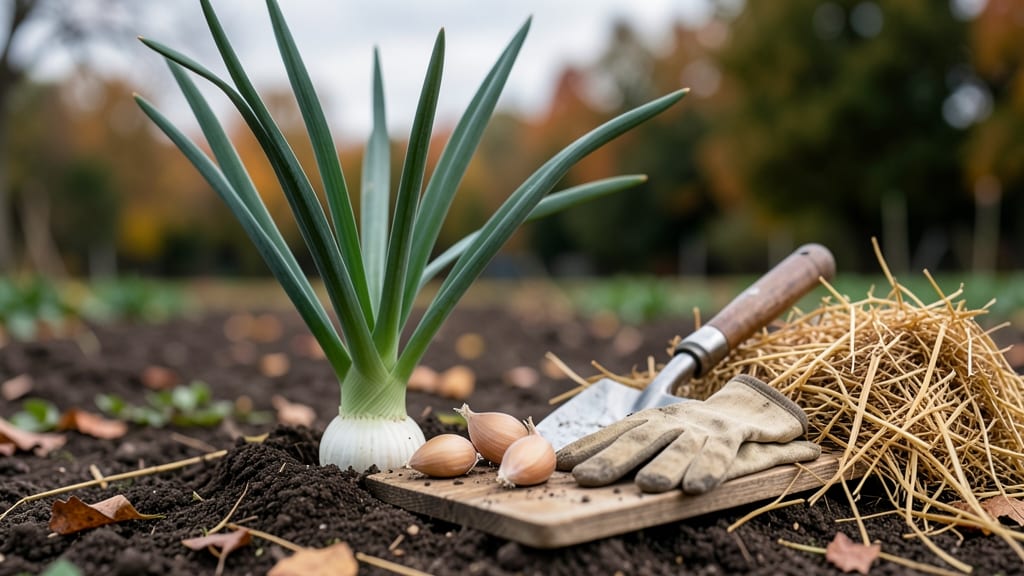
Planting garlic at the wrong time in New Jersey can mean the difference between a bumper crop and a frozen disappointment—so timing is everything for zero-frost success. The ideal window falls between October and November, when the soil cools but before the ground freezes solid.
This 6-week window ensures your 🧄 cloves establish roots before winter dormancy, setting the stage for next summer's harvest.
Why does this matter? Gardeners in USDA Zone 6a face unique challenges—early frosts in North Jersey can arrive by mid-November, while South Jersey might see milder winters. Missing the planting window risks rot or stunted growth, but getting it right guarantees hardy bulbs that thrive through our unpredictable winters.
I'll show you exactly how to sync your planting with New Jersey's microclimates for maximum success.
Most gardeners assume garlic is a one-size-fits-all crop, but New Jersey's diverse regions demand tailored approaches. Whether you're in cooler North Jersey or warmer South Jersey, the right timing and preparation make all the difference.
We'll cover soil prep, clove spacing, and frost protection techniques that work specifically for our state's climate—so you can avoid common mistakes that waste your harvest potential.
Ready to grow garlic that rivals the best from California? The secret starts with planting at the perfect moment—and I'll walk you through every step to ensure your cloves develop into plump, flavorful bulbs by next summer.
Let's get your garden set up for garlic success before the first frost hits.
New Jersey garlic planting zones: microclimate-specific dates by region
New Jersey's diverse climate—from the cooler hills of North Jersey to the milder coastal areas of South Jersey—means garlic planting dates vary dramatically. The key is planting 4-6 weeks before the first hard frost, but exact timing depends on your USDA zone and local microclimate.
In Zone 6a (most of NJ), this typically falls between mid-October and early November, but adjustments are needed for early frosts or coastal warmth.
For hardneck garlic (the best choice for NJ), the goal is establishing roots before winter dormancy. If planted too early, cloves may rot; too late, and they won’t root deeply enough to survive freezing. Soil temperature (below 50°F) signals it’s time to plant—use a soil thermometer if unsure.
Let’s break down the ideal windows by region to ensure your garlic thrives.
In North Jersey, where winters are harsher (USDA Zone 6a), aim to plant by October 25 at the latest. The Poconos and Sussex County areas often see frost by October 20, so don’t wait too long.
Use hardneck varieties like 'Music' or 'German White', which handle colder soils better. For extra protection, add a 4-inch layer of straw mulch after planting to insulate bulbs.
Central Jersey (Zone 6b) offers a 2-week buffer compared to the north. Cities like Trenton and Princeton can plant until November 1, while rural areas may need to start by October 15.
This region’s moderate frost dates make it ideal for softneck garlic (like 'Silverskin') if you prefer milder winters. Test soil pH (6.0–7.0) and amend with compost before planting.
Southern New Jersey (Zone 7a) extends the window to November 10, but don’t push it—coastal areas like Cape May can experience unexpected cold snaps. Plant 'Artichoke' or 'Creole' varieties, which tolerate slightly warmer soils.
If your soil stays above 50°F past November 15, delay planting until early December and use row covers for frost protection.
Pro tip: Use a moon planting calendar for optimal root growth—plant during the waxing moon (root crops thrive). In NJ, this often aligns with October’s full moon (Hunter’s Moon), a reliable marker for garlic planting.
Pair this with well-draining soil (sandy loam is ideal) and full sun exposure to maximize bulb size.
After planting, mark your rows with stakes or flags to avoid disturbing the soil in spring. Garlic needs no fertilization until June, when you’ll see green shoots emerge.
By then, your fall planting will have already established a strong root system, setting you up for a July harvest of plump, flavorful bulbs.
Remember: Late planting (after November 15) risks poor root development, while early planting (before October 1) may lead to rot. Adjust for your specific township—check local Cooperative Extension Service reports for real-time frost data.
With the right timing, your NJ garlic will reward you with bold flavor and high yields.
How to adjust garlic planting for early or late frosts in NJ
New Jersey's unpredictable frost patterns can turn garlic planting into a high-stakes game of chance. Early frosts in October or late frosts in April can devastate your crop if you're not prepared. The key is adapting your planting strategy to protect your garlic from freeze damage while maximizing its cold-hardiness.
I've learned through trial and error that soil insulation and cold-tolerant varieties are my best defenses. Even a 5°F temperature drop can harm young garlic plants, so I never plant without a backup plan. Let's break down exactly how to adjust your timing and protection methods for NJ's frost-prone climate.
⚠️ Critical Frost Window for NJ Garlic
Plant garlic 4-6 weeks before your average first frost date—typically mid-October to early November in most of NJ. However, if your area experiences early frosts (like North Jersey's Zone 6a), shift planting to late September. For late frosts (common in South Jersey's Zone 7a), extend planting until mid-November.
Never plant after November 15th—garlic needs 60-90 days of cold temperatures (32-40°F) to form bulbs properly. Use a frost calendar from your local extension office for precise dates.
For gardeners in high-risk frost zones, I recommend a two-phase planting approach. Start with your main planting in early October, then have a backup batch ready for late October if temperatures plummet unexpectedly. This "insurance planting" gives you flexibility when Mother Nature throws curveballs.
One of my most effective soil insulation tricks is using straw mulch (6-8 inches thick) after planting. The mulch acts like a blanket, protecting cloves from soil temperature fluctuations and preventing freeze-thaw cycles that can damage roots.
I also add a thin layer of leaves on top for extra insulation during extreme cold snaps.
When selecting varieties, prioritize hardneck garlic types like 'German White' or 'Music', which handle NJ's winters better than softneck varieties. These types also produce more scapes (the edible flower stalks), giving you a bonus harvest in June.
For extra cold protection, I plant my hardiest cloves in raised beds filled with a mix of compost and sand.
If you're facing an unexpected early frost, don't panic—cover your garlic plants immediately with frost cloth or old blankets. Remove the cover during the day to prevent heat buildup and fungal growth.
For late frosts in spring, I've had success using black plastic mulch to warm the soil and extend the growing season by 2-3 weeks.
Remember, garlic's cold requirement is your friend—it needs winter chill to form bulbs. But balance that with frost protection and timely adjustments. With these strategies, you'll turn NJ's frost challenges into opportunities for a reliable, high-quality harvest every year. 🧄