
Companion Plants
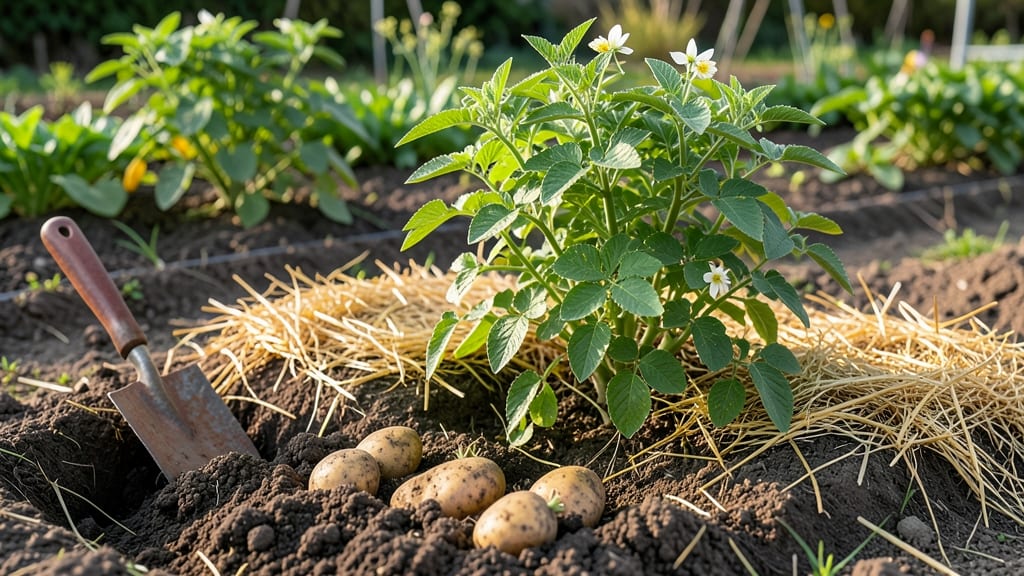
If you’ve ever planted 🥔 potatoes in Texas only to watch them wither under unexpected frost or shrivel in summer heat, you’re not alone.
The perfect planting window here isn’t one-size-fits-all—North Texas and South Texas can differ by months, and even a few weeks off can mean the difference between a bumper crop and a total flop.
Here’s the truth: In USDA Zones 8a-10b, timing is everything. North Texas gardeners should aim for late February to early April, while South Texas growers can start as early as September—because what works in the Panhandle won’t survive the Gulf Coast’s balmy winters.
But how do you know exactly when to plant for your microclimate?
I’ll break down the exact start dates for your region, plus the key tricks to avoid common mistakes—like choosing the wrong variety or ignoring soil temperature. Whether you’re a backyard gardener or managing a commercial plot, these insights will help you maximize your harvest without the guesswork.
Ready to dig in? Let’s get your 🥔 potatoes growing on a schedule that actually works for Texas. No more wasted seed potatoes or shriveled spuds—just a reliable, stress-free harvest.
Texas potato planting zones by region: exact start dates for frost-free success
Texas’ potato planting calendar isn’t one-size-fits-all—it’s more like a three-act play with North Texas’ chill, Central Texas’ extremes, and South Texas’ warmth each demanding their own script.
The USDA Hardiness Zones 8a–10b across the state mean your last frost date could vary by 6 weeks, and planting too early in Zone 8a (Panhandle) risks frost damage, while Zone 10b (Rio Grande Valley) gardeners can start in January without worry.
Let’s break it down by region so you can time your planting like a pro.
For North Texas (Zones 8a–9a), where winters can linger into March, aim to plant seed potatoes 2–4 weeks before your last frost date.
This typically lands in late February to early April, but soil temperature is your true guide—wait until it hits 45°F (7°C) at 6-inch depth.
In Central Texas (Zones 8b–9b), like Austin or San Antonio, you’ve got a slightly longer window: mid-February to mid-April, but avoid planting after April 15 to prevent summer heat stress.
South Texas (Zones 9b–10b) is the rebel of the bunch. Here, you can plant as early as January for a spring harvest or even August–September for a winter crop.
The key? Soil temps above 60°F (15°C) trigger faster germination, but avoid peak summer heat (June–August), which causes blotchy, underdeveloped tubers. Pro tip: Use a soil thermometer—it’s your best friend in Texas’ unpredictable climate.
🌱
Microclimates within regions can shift your planting window by weeks. For example, Hill Country elevations (like Fredericksburg) may experience 2–3 weeks later last frosts than nearby valley areas. Similarly, urban heat islands in Houston or Dallas can make soil warm up faster than rural areas.
To nail your timing, check local weather station data or use the National Weather Service’s frost prediction maps. If you’re in doubt, opt for early-maturing varieties like ‘Red Norland’ (90 days) to hedge your bets.
One critical mistake Texas gardeners make? Planting based on calendar months instead of soil conditions. A March planting in East Texas might be perfect, but the same timing in West Texas’ sandy soils could mean slow germination due to heat loss.
Amend sandy soils with compost to retain moisture, and clay-heavy soils (common in East Texas) by adding organic matter to improve drainage. Mulch heavily with straw or grass clippings to stabilize soil temps.
For fall plantings, South Texas gardeners have the edge with September–October windows, while North Texas should aim for August to harvest before first frost. Use row covers if planting late to extend your season by 2–3 weeks.
And remember: Potatoes need 90–120 days to mature, so calculate backward from your target harvest date—not just the last frost.
🌿
If you’re in Zone 8a (
How to adjust potato planting for Texas’ unpredictable weather patterns
Texas weather is famously unpredictable—one week can bring freezing temperatures in the Panhandle, while the Rio Grande Valley stays warm enough for shorts and sandals. For potatoes, this means flexibility is key.
The wrong timing can turn your seed potatoes into crispy snacks or leave them rotting in soggy soil. But with the right adjustments, you can outsmart Mother Nature and still harvest a bountiful crop.
Start by choosing early-maturing varieties like ‘Yukon Gold’ or ‘Red Pontiac’, which mature in just 90 days. These varieties give you a buffer if summer heat arrives early.
For North Texas, aim to plant by March 15 to avoid the last frost, while South Texas gardeners can stretch planting into September for a fall harvest before cooler weather sets in.
🚨 WARNING: Don’t rely solely on calendar dates—soil temperature is your real guide. Potatoes won’t sprout until the soil reaches 45°F (7°C). Use a soil thermometer to check before planting.
In West Texas, this might mean waiting until April, while East Texas could be ready by February. Pro tip: Plant test potatoes a week apart to gauge sprouting speed.
🔥 Texas Weather Pitfalls to Avoid
- ❌ Planting too early: Frost kills young sprouts—wait until soil is consistently above 45°F.
- ❌ Ignoring heat waves: Summer temps above 90°F (32°C) stress potatoes; use shade cloth if needed.
- ❌ Overwatering: Heavy clay soils (common in East Texas) trap moisture, causing rot. Avoid waterlogging.
- ❌ Skipping mulch: Texas sun dries out soil fast. Straw or grass clippings retain moisture and regulate temperature.
For extra protection, use floating row covers in early spring to shield seedlings from unexpected cold snaps. In South Texas, where winters are mild, you can even plant late varieties in August for a harvest before the first frost.
Just be prepared to harvest quickly—these potatoes mature faster in warm soil but may not store as long.
Another trick is to calculate backward from your first frost date. Most Texas regions have 200–280 frost-free days, but Panhandle gardeners only get about 200 days, while South Texas enjoys nearly 280 days.
Subtract your potato variety’s days to maturity from your frost date to find the latest safe planting window. For example, a 90-day variety in Zone 8a (North Texas) should be planted by September 15 for a fall harvest.
Finally, monitor your plants closely during Texas’ erratic transitions. If nights dip below 50°F (10°C) after planting, use black plastic mulch to insulate the soil and speed up warming. And if summer heat arrives early, hill soil around the stems to protect tubers from baking in the sun.
With these adjustments, you’ll turn Texas’ quirks into your potato-growing advantage.