
Flowers
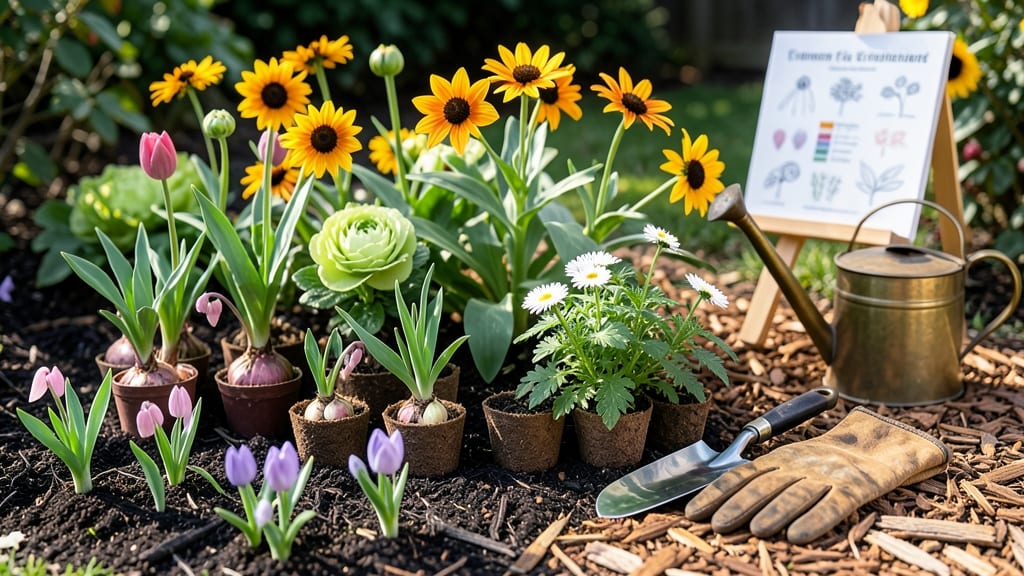
Timing when to plant flowers in Connecticut isn’t just about following a calendar—it’s about outsmarting the region’s tricky frost dates and microclimates to get those 🌸 blooms thriving from spring to fall.
If you’ve ever watched your hard work melt away with the first frost or struggled to keep flowers alive through Connecticut’s unpredictable 5b-6b winters, you know the stakes.
But here’s the good news: with the right planting windows and a few smart tricks, you can extend your bloom season and turn your garden into a year-round showstopper.
I’ll break down exactly when to plant annuals, perennials, and bulbs—whether you’re in coastal New Haven or the inland hills of Hartford—so you can avoid common mistakes and maximize every sunny day.
From soil prep to frost-proofing hacks, you’ll learn how to turn Connecticut’s climate into your garden’s greatest advantage. Let’s get those flowers growing!
Connecticut’s frost dates by region: when to plant flowers for maximum bloom
Connecticut’s diverse geography creates three distinct microclimates—coastal, inland, and highlands—each with unique frost dates that dictate your planting schedule. Coastal areas like New London and Groton enjoy milder winters, while inland zones like Hartford face earlier frosts, and highland regions such as Torrington experience 10-14 days later last frost dates.
Knowing these variations ensures your annuals, perennials, and bulbs thrive without frost damage.
For annual flowers like marigolds and zinnias, timing is everything.
Plant them 2-3 weeks after your region’s last frost date to avoid cold snaps. Perennials, such as coneflowers and black-eyed Susans, can handle cooler soil and should go in 2-4 weeks before the last frost. Spring-blooming bulbs, like tulips and daffodils, need planting in fall (October-November) to establish roots before winter.
Here’s how Connecticut’s frost dates break down by region, with ideal planting windows for your favorite flowers:
| Region | Last Frost Date | First Frost Date | Annuals Planting Window | Perennials Planting Window | Bulbs Planting Window |
|---|---|---|---|---|---|
| Coastal (New London, Groton) | April 20 - May 5 | October 20 - November 5 | May 10 - June 1 | April 1 - May 15 | October 1 - November 15 |
| Inland (Hartford, New Haven) | May 1 - May 15 | October 10 - October 25 | May 20 - June 10 | April 15 - May 30 | September 15 - October 30 |
| Highlands (Torrington, Litchfield) | May 10 - May 25 | October 5 - October 20 | May 30 - June 20 | April 30 - June 10 | September 1 - October 15 |
If you’re in coastal Connecticut, you can start planting annuals like petunias as early as late April, while inland gardeners should wait until mid-May. Highland regions often have a 2-week delay due to cooler nights.
For perennials, early spring planting (before last frost) gives roots time to establish before summer heat sets in.
Don’t forget about fall planting for bulbs and hardy annuals like pansies. Coastal areas can plant tulip bulbs until November, while inland zones should finish by late October. Highland gardeners have until mid-October to get bulbs in the ground before the first frost arrives.
Pro tip: Use row covers or cold frames to extend your planting season by 2-4 weeks in early spring or late fall. This lets you grow heat-loving flowers like geraniums or cool-season favorites like snapdragons longer than the frost dates suggest.
For container gardening, you can push boundaries even further. Move pots indoors or to a garage during cold snaps to protect tender annuals like impatiens. Just remember to harden them off before returning them outside in spring.
Monitor local frost forecasts from the National Weather Service or your local Cooperative Extension office for real-time updates. Even a 5-degree difference in frost dates can mean the difference between thriving blooms and frostbitten plants. Keep a garden journal to track your microclimate’s patterns over the years!
With these region-specific frost dates in mind, you’ll be well on your way to a show-stopping flower garden that blooms reliably year after year. Happy planting!
Best flowers to plant by month in Connecticut (with frost-proofing tips)
Timing your flower plantings by month in Connecticut means the difference between a showstopping garden and one that barely survives the frost.
Coastal areas like New Haven and Groton have later last frosts (around May 10), while inland spots like Hartford or the Highlands can see frost as late as May 25. Plan accordingly!
For spring bloomers like tulips and daffodils, plant bulbs in October-November—they need cold to thrive. Annuals like marigolds and petunias wait until after Memorial Day (mid-May) for safety, while hardy perennials like coneflowers can go in as early as April 15 in warmer microclimates.
| Month | Best Flowers | Frost-Proofing Tip |
|---|---|---|
| March | Pansies, Snapdragons, Calendula | Use row covers if frost threatens; plant in south-facing beds first. |
| April | Tulips, Daffodils, Peonies | Mulch with straw to insulate bulbs; avoid heavy watering before soil warms. |
| May | Marigolds, Zinnias, Petunias | Wait until soil hits 50°F; use black plastic mulch to warm roots faster. |
| September | Mums, Asters, Sweet Alyssum | Plant 6 weeks before first frost; use cold frames for late blooms. |
Summer months (June-August) are prime for heat-loving annuals like sunflowers and cosmos. But don’t ignore late-season prep—plant fall-blooming bulbs like crocuses in September for early spring color. Always amend soil with compost before planting to improve drainage and fertility.
For container gardens, opt for compact varieties like bachelor’s buttons or geraniums, which tolerate CT’s temperature swings better. Move pots to protected spots at night if frost is forecasted. A thermometer in your garden helps track soil and air temps for precise planting.
Pro tip: Succession plant every 2-3 weeks from May through July to ensure continuous blooms. For example, sow cosmos seeds in early June for July-August flowers, then follow with zinnias in late June. This keeps your garden bursting with color all season!
Remember, microclimates matter. A south-facing wall or paved area can warm up faster, letting you plant 2-3 weeks earlier in those spots. Always check local frost dates (like from the CT Agricultural Experiment Station) for the most accurate timing.