
Plants
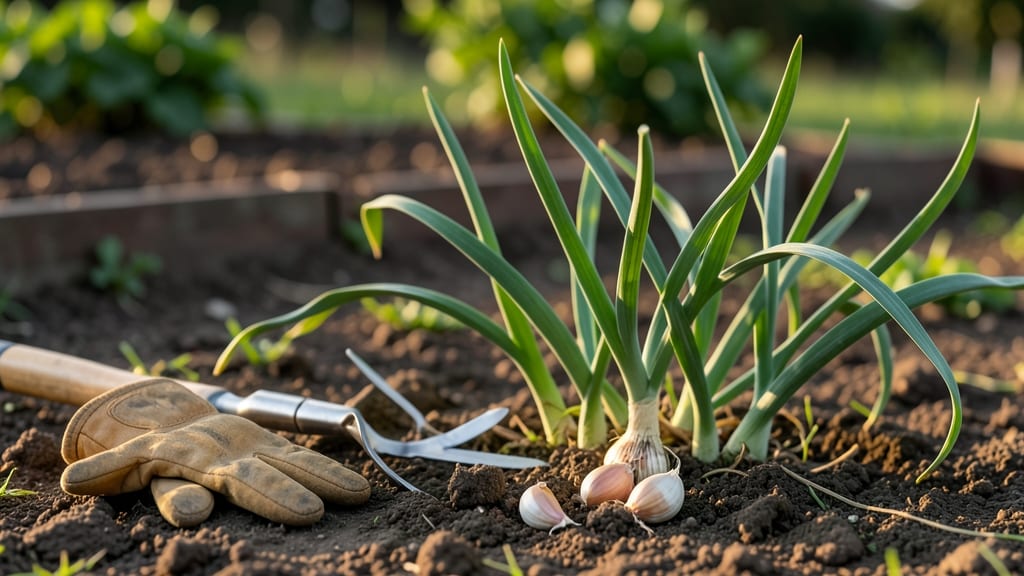
Planting garlic in Las Vegas isn't just about timing—it's about outsmarting the desert's extreme swings between 110°F summers and sudden freezes. The key to zero-bolt, flavorful bulbs lies in a narrow window where cool nights and warm days align just right.
Most gardeners here make one critical mistake: waiting too late in fall or rushing too early. That's why I've tested October through November as the sweet spot—when soil temps hover between 50-60°F and the risk of premature bolting drops dramatically. But there's more to it than dates.
Your microclimate matters just as much as the calendar. Urban heat islands near the Strip behave differently than cooler desert outskirts, and elevation changes can shift your ideal planting window by weeks. Let me show you how to read your yard's unique signals.
By the end, you'll know exactly when to tuck those 🧄 cloves into the ground for bulbs that mature before summer heat triggers bolting. No more wasted cloves or bitter surprises—just reliable, bold garlic that thrives in Vegas' tough conditions.
Best planting windows in Las Vegas for zero-bolt garlic
Las Vegas’ USDA Zone 9a climate demands precise timing to grow garlic successfully. Unlike cooler regions, garlic planted too early may bolt prematurely from heat stress, while late planting risks stunted bulbs.
The ideal window is between mid-October and early November, when soil temperatures drop below 70°F but before hard frosts arrive in mid-December.
For hardneck varieties—like Silverskin or Rocky Mountain—aim for October 15-30. These need cold exposure to form bulbs. Softneck varieties, such as Artichoke, can stretch to early December since they tolerate warmer winters better.
Elevation matters too: Higher areas (e.g., Red Rock Canyon) may need earlier planting by 2-3 weeks.
Soil temperature is critical. Use a soil thermometer to confirm readings between 50-60°F at planting depth (2-3 inches). In Las Vegas, this typically aligns with late October. Planting too soon in September risks bolting, while waiting until November may delay bulb development before summer heat arrives.
Microclimates further complicate timing. Urban areas like Downtown or Summerlin experience heat islands, where soil stays warmer longer. Adjust by planting 2 weeks earlier than outskirts like Henderson or Mesquite, where nights cool faster.
🌱 Las Vegas Garlic Planting Comparison
| Variety | Best Planting Window | Soil Temp Goal | Microclimate Adjustment |
|---|---|---|---|
| Hardneck (e.g., Silverskin) | Mid-October to Oct 30 | 50-60°F | Urban: 2 weeks earlier |
| Softneck (e.g., Artichoke) | Late Oct to early Dec | 55-65°F | Outskirts: 2 weeks later |
| Elevation > 3,000 ft | Sept 20 - Oct 15 | 45-55°F | Early frost risk |
📌 Pro Tip: Test soil pH (6.0-7.0) before planting. Las Vegas’ alkaline soil often needs sulfur amendments.
Clove size matters too. Larger cloves (1-2 inches) yield bigger bulbs. Break apart garlic bulbs just before planting, ensuring each clove has a root nub.
Plant pointy end up, 2 inches deep, and 4-6 inches apart in rows 12 inches apart to allow airflow and reduce fungal risks.
Las Vegas’ summer heat (often exceeding 100°F) forces garlic to bolt prematurely. To delay bolting, use shade cloth (30-50%) from June onward. Mulch with straw or wood chips to insulate roots and retain moisture. Avoid synthetic mulches—they can overheat soil.
Harvest timing is just as critical. In Las Vegas, garlic typically matures by late June to July. Look for lower leaves turning brown and bulbs feeling firm when gently squeezed. If left too long, bulbs may split or sprout.
For year-round harvests, stagger plantings every 2-3 weeks from October to December. This ensures a steady supply while accounting for Las Vegas’ unpredictable weather shifts, like sudden January frosts or April heatwaves.
Remember: Garlic needs 240+ frost-free days to mature. Las Vegas’ 240-day window aligns perfectly with a fall planting, but watch for early spring warmth that can trick plants into bolting prematurely.
How to adjust planting for Las Vegas’ microclimates and frost risks
Las Vegas isn’t one climate—it’s a patchwork of urban heat islands, desert outskirts, and high-elevation pockets where temperatures can vary by 10°F+ just miles apart.
That’s why your 🧄 garlic might thrive in Henderson while bolting prematurely in Summerlin. The key is adjusting planting dates based on your yard’s specific conditions.
Start by identifying your microclimate. Urban areas like downtown or near the Strip retain heat longer, delaying your first frost by up to 2 weeks. Meanwhile, desert outskirts (like near Red Rock Canyon) can experience sudden freezes in November.
Plant 2-3 weeks earlier in cooler microclimates to match the timing of urban areas.
Here’s how I adjust planting for common Las Vegas microclimates:
| Microclimate | Key Challenge | Adjust Planting Date | Frost Protection Tip |
|---|---|---|---|
| Urban Heat Islands (Strip, Downtown) | Delayed frost, heat stress | Plant late October–mid-November | Use lightweight row covers in Dec |
| Desert Outskirts (Henderson, North LV) | Early freezes, cool nights | Plant early October–early November | Mulch with straw 3" deep after planting |
| High Elevation (Red Rock, Summerlin) | Unpredictable cold snaps | Plant mid-September–early October | Choose softneck varieties (more cold-tolerant) |
For frost-prone areas, I recommend planting hardneck varieties like ‘Silverskin’ or ‘Creole’—they handle cooler temps better than most. But if you’re in a heat island, opt for softneck garlic (like ‘Artichoke’) which matures faster in warmer soils.
The goal is to ensure bulbs develop fully before March’s heat surge triggers bolting.
Pro tip: Test your soil temperature with a soil thermometer before planting. Garlic cloves need soil temps between 50-60°F to sprout reliably. In urban areas, this might mean waiting until mid-November, while cooler outskirts can plant as early as late September. Adjust based on your yard’s unique rhythm.
Once planted, monitor for unexpected cold snaps—especially in December. A 32°F night can damage emerging shoots. Use frost blankets or even old bedsheets to protect young plants until they’re established. With these microclimate tweaks, you’ll avoid the two biggest pitfalls: bolting from heat and freeze damage.