
Plants
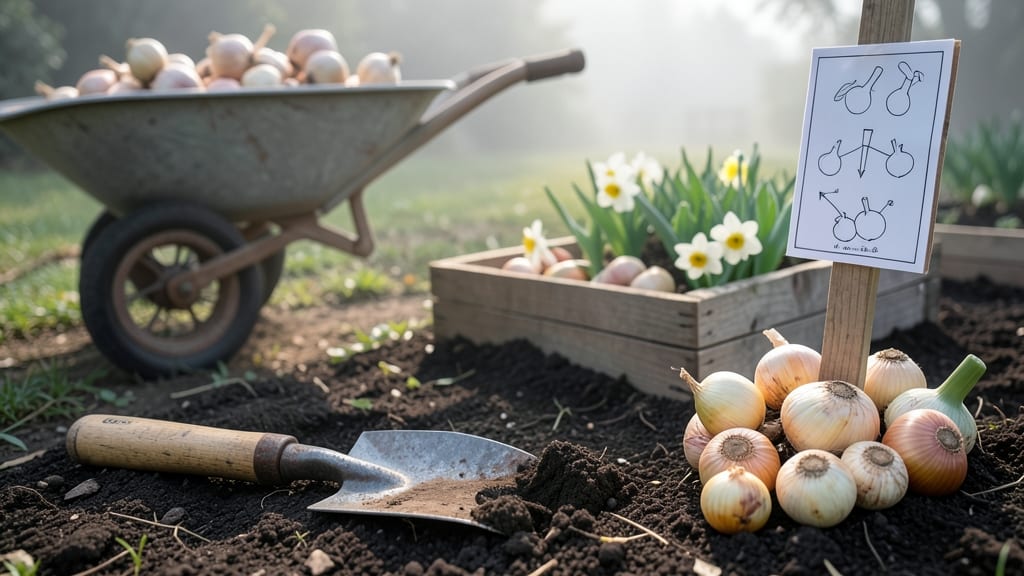
Planting bulbs in the ground at the wrong time can mean skipping next spring’s 🌷 show—yet most gardeners still guess by calendar dates instead of what bulbs actually need. The secret to vibrant blooms lies in understanding chill-hour requirements, not just when your local nursery opens for fall sales.
In USDA Zone 6a, like many temperate regions, the ideal window for planting spring-flowering bulbs like tulips and daffodils is 4-6 weeks before the ground freezes—typically September through November.
But here’s the catch: bulbs need 120-150 days of cold exposure to trigger flowering, and timing varies wildly by variety. A tulip planted too early might rot; one planted too late might never bloom.
I’ve learned the hard way that soil temperature matters more than frost dates. The key is planting when nighttime temps consistently drop below 60°F, ensuring bulbs get their required chill period without premature sprouting.
Let’s break down exactly how to match your climate, bulb type, and planting strategy for foolproof results.
Whether you’re a first-time gardener or a seasoned pro, mastering this one critical timing rule will transform your spring garden from “hopeful” to “showstopping.” Ready to stop guessing and start blooming?
How chill-hour requirements determine your planting window
Most gardeners assume planting bulbs in fall guarantees spring blooms, but the real secret lies in chill-hours—the number of hours below 45°F (7°C) your bulbs need to trigger flowering.
Without enough cold exposure, your $50 tulip investment might as well be confetti. Think of it like hibernation: bulbs need this cold period to "reset" and prepare for growth.
Your local chill-hour zone isn't the same as your USDA hardiness zone. While USDA zones tell you what plants can survive winter, chill-hours determine when those plants will bloom.
For example, a tulip in Zone 5 might need 1,200 chill-hours, while the same variety in Zone 7 could get by with just 600 hours—but plant too late, and you'll miss the window entirely.
Here's how to find your chill-hour zone: Start with the USDA Plant Hardiness Zone Map, then cross-reference with your local weather station data. Many states (like California and Washington) offer chill-hour maps on agricultural extension websites.
For example, Seattle (Zone 8) averages 800-1,000 chill-hours, while Sacramento (Zone 9) might only hit 300-500 hours—meaning traditional tulips won't thrive there without tricks.
To calculate your own chill-hours, use this formula: Multiply the number of days below 45°F by 24 hours, then subtract any hours above 32°F (0°C) (since extreme cold can damage bulbs).
For instance, if your area has 45 days below 45°F but 10 days below 32°F, your total is (45 × 24) - (10 × 24) = 912 chill-hours. Most daffodils need 400-600 hours, while hyacinths often require 800-1,200 hours.
| Bulb Type | Chill-Hour Range | Best Planting Window | Zone Adaptability |
|---|---|---|---|
| Tulips (Standard) | 800–1,200 hours | 4–6 weeks before first frost (Sept–Nov) | Zones 3–7 (avoid Zones 8–10) |
| Daffodils | 400–600 hours | Late summer–early fall (Aug–Oct) | Zones 3–9 (tolerates warmer climates) |
| Hyacinths | 800–1,200 hours | Fall (Sept–Oct) | Zones 4–7 (needs cold) |
| Crocuses | 200–400 hours | Early fall (Aug–Sept) | Zones 3–8 (early bloomers) |
| Alliums (e.g., 'Purple Sensation') | 600–1,000 hours | Fall (Sept–Oct) | Zones 4–8 (drought-tolerant) |
Once you know your chill-hour total, match it to your bulbs. For example, if you're in Zone 8 with 500 chill-hours, skip traditional tulips (they need 800+) and opt for low-chill varieties like daffodils or crocuses.
Pro tip: Check the back of bulb packages—many now list chill-hour requirements alongside USDA zones. If you're in a mild-winter zone (9–11), consider pre-chilling bulbs in your fridge for 8–12 weeks before planting.
Timing isn't just about the calendar—it's about soil temperature. Plant too early in warm soil, and bulbs may sprout prematurely; too late, and they won't get enough cold. Aim to plant when soil temps drop below 60°F (15°C) but before the ground freezes.
In Zone 5, that’s usually late September to early October; in Zone 9, it might be December. Use a soil thermometer to check—buried 4 inches deep, it should read 50–60°F (10–15°C).
Don't let microclimates fool you. A sunny, south-facing slope in your yard might be 5–10°F warmer than the official weather station reading. If your garden is warmer than average, plant bulbs earlier to maximize chill-hours.
Conversely, if you're in a cold sink (like a low-lying area), delay planting slightly to avoid frost damage. Mulch with straw or leaves after planting to insulate bulbs and regulate soil temps.
Remember: Chill-hours aren't a one-time thing. Each winter, bulbs accumulate more cold exposure, which can lead to bigger, more abundant blooms over time. That’s why established bulb beds often outperform newly planted ones. If you're in a low-chill zone, consider layering bul
Best planting times for popular bulbs by chill-hour needs
Planting bulbs at the wrong time means skipping next spring’s vibrant blooms. Most gardeners assume "fall planting" works universally, but chill-hour needs dictate success. For example, tulips in Zone 5 need 1,200+ chill-hours, while daffodils thrive with just 400-600 hours. Understanding these differences ensures your bulbs flower reliably.
Your local chill-hour zone (not just USDA zone) determines the best planting window. In cold climates (Zones 3-5), most bulbs go in October-November. Warmer zones (6-8) may need September planting to avoid summer heat stress. Low-chill varieties like paperwhite narcissus can even plant in late fall or winter.
For spring-planting bulbs like caladiums or gladiolus, wait until soil warms to 60°F (after last frost). These warm-season bulbs need no chill-hours. Test soil temperature with a soil thermometer—plant when it consistently stays above 60°F for 5+ days.
Mulch heavily after planting to protect bulbs from freeze-thaw cycles. Use straw or leaves (3-4 inches thick) in cold zones. In warm climates, avoid mulch until winter—excess moisture can rot bulbs before they’ve hardened off. Water deeply after planting, then reduce to monthly checks until spring rains return.
Pro tip: Pre-chill bulbs if your zone runs warm. Store them in a paper bag in the fridge (not freezer) for 6-8 weeks before planting. This mimics winter’s natural chill. Test your chill-hours using local weather data—aim for 50% of total needs before planting in marginal zones.
Timing matters more than calendar dates. Plant too early? Bulbs may sprout and freeze. Plant too late? They won’t get enough chill. Use your chill-hour zone as your guide—not the neighbor who plants in December. Experiment with varieties to find what thrives in your microclimate! 🌱