
Plants
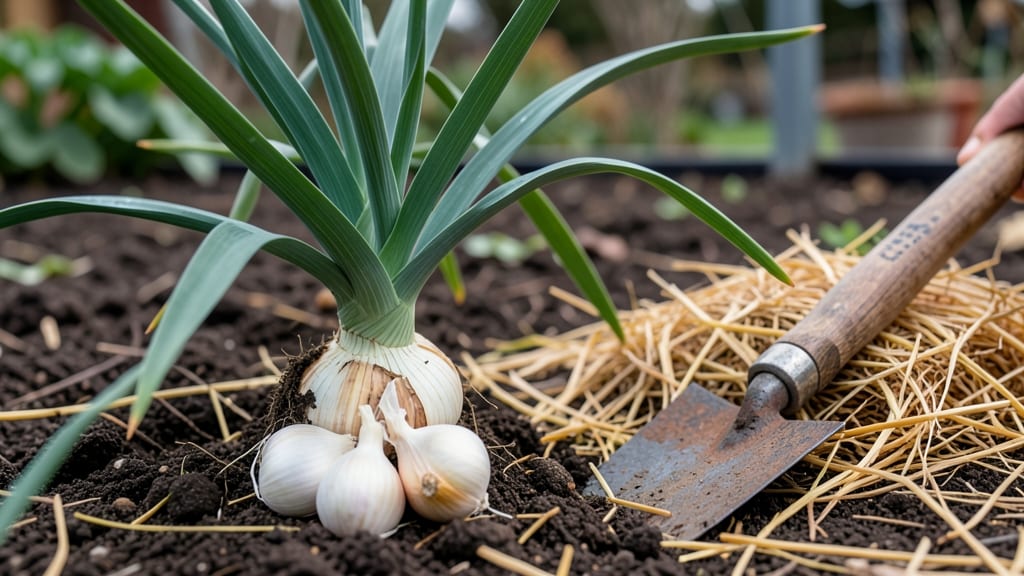
Planting garlic in Connecticut at the wrong time could mean the difference between a bountiful harvest of plump bulbs and a disappointing batch of small, weak cloves.
The key window for fall planting—when most gardeners in zones 5b-6b should break ground—is a narrow 6-week stretch between October and early November, but timing varies for hardneck vs. softneck varieties.
If you’ve ever wondered why your garlic struggled or bolted prematurely, the answer likely lies in soil temperatures or planting too late before winter sets in. Connecticut’s climate demands precision: hardneck garlic thrives when planted early in the fall, while softneck varieties need a slightly later start.
Missing this window means waiting another year for that coveted 🧄 harvest in mid-July.
Don’t let uncertainty hold you back—this guide will walk you through the exact steps to time your planting for success, including soil prep, frost dates, and regional adjustments for coastal vs. inland areas.
Whether you’re a first-time grower or a seasoned gardener, these tips will help you maximize your yield and avoid common mistakes that ruin Connecticut garlic harvests.
Ready to grow garlic that rivals the best at farmers' markets? Let’s dive into the best planting schedule for your climate, so you can enjoy fresh, homegrown garlic straight from your garden next summer.
Optimal planting windows for Connecticut’s hardneck vs softneck garlic
Connecticut’s USDA Zones 5b-6b create a unique challenge for garlic growers—get the timing wrong, and you’ll either lose your crop to frost or watch it bolt prematurely. Hardneck and softneck varieties have fundamentally different schedules, with hardnecks thriving when planted in fall and softnecks demanding a narrow spring window.
Let’s break down the exact dates, soil conditions, and moon phase secrets that separate success from disappointment.
For hardneck garlic, the ideal planting window in Connecticut runs from mid-October to early November, giving bulbs time to establish roots before winter dormancy.
This variety relies on cold vernalization—meaning it needs 4-6 weeks of below-freezing temperatures—to form proper bulbs. Softneck garlic, on the other hand, can be planted in early spring (March to April), but its window is tighter and requires warmer soil to sprout consistently.
Soil temperature is the critical factor for both varieties.
Hardnecks need soil at 40-50°F at planting, while softnecks require 50-60°F—a difference that can mean the difference between thriving cloves and rotten seeds. Moon phases also play a role; planting during the waxing moon (when the moon is growing) is said to boost bulb development, though science backs up the timing more than the astrology.
Hardneck garlic’s fall planting aligns perfectly with Connecticut’s climate.
By mid-October, daytime highs drop to the 50s°F, and soil temperatures follow suit—ideal for hardnecks to root before winter. Softnecks, however, need warmer conditions, which is why their window opens in March once soil temperatures consistently reach 50°F or higher.
Planting softnecks earlier risks rot, while waiting too long delays bulb formation.
One common mistake Connecticut gardeners make is planting hardnecks too late in November. If the ground freezes before roots establish, cloves rot over winter. Test soil temps with a thermometer—if it’s below 40°F, wait another week.
For softnecks, the opposite risk applies: planting in cold, wet spring soil leads to mold and poor germination. Aim for 50°F+ soil and firm, well-drained beds.
Moon phase enthusiasts swear by planting during the waxing moon for stronger roots and bulbs.
While not scientifically proven, many Connecticut growers align their schedules with lunar cycles—especially for hardnecks, where root development is critical. Full moon planting is avoided entirely, as it’s believed to encourage rapid (and less stable) growth. Try it for a week and compare yields to your usual timing!
Mulching is another game-changer for Connecticut’s variable winters. Apply 4-6 inches of straw or leaves over hardneck beds after planting to insulate roots.
For softnecks, mulch lightly in spring to retain warmth without suffocating sprouts. Remove mulch in early spring for hardnecks to allow soil to warm for regrowth, but leave it until April for softnecks.
Harvest timing varies slightly between varieties. Hardnecks are ready when lower leaves brown and bulbs are 1-2 inches wide (typically mid-July). Softnecks follow a week later, as their growth cycle is slightly delayed. Don’t wait too long—once tops yellow excessively, bulbs split and flavor suffers.
Cure harvested garlic in a dry, shady spot for 2-3 weeks to develop skins and storage life.
Pro tip: If you miss the fall window for hardnecks, you can still plant in early spring, but yields will be 30-50% smaller without cold vernalization. Softnecks, however,
How to adjust planting timing for Connecticut’s microclimates
Connecticut’s diverse geography—from coastal New Haven to inland Hartford—creates unique microclimates that can shift garlic planting windows by 2-3 weeks. Coastal areas like Groton experience milder winters, while inland zones like Torrington face earlier frosts. Understanding these differences helps you maximize bulb size and avoid bolting.
Coastal regions (USDA Zone 6a) often have 10-14°F warmer winter soil temps than inland areas (Zone 5b).
This means you can plant hardneck garlic as late as early November near the shoreline, while inland gardeners should aim for mid-October to ensure roots establish before freezing. Softneck varieties are even more sensitive—coastal areas get a 3-week extension for spring planting.
- Coastal (New Haven, Groton): Plant hardneck Oct 15-Nov 5, softneck Mar 15-Apr 15 (spring). Soil stays 5-10°F warmer than inland.
- Inland (Hartford, Torrington): Plant hardneck Oct 1-Oct 25, softneck Mar 1-Apr 1. First frost arrives 1-2 weeks earlier.
- Valley Regions (Farmington, Danbury): Plant 1 week earlier than coastal areas due to colder air pooling in low-lying zones.
- Urban Heat Islands (Bridgeport, New Britain): Can extend planting 1 week later—soil warms faster in paved areas.
- Mulching Tip: Add 4-6 inches of straw in inland areas to delay frost penetration by 2-3 weeks.
To protect your garlic from late-winter thaws (which can trigger premature growth), use heavy mulch like straw or leaves after planting. In coastal areas, a 2-inch layer suffices, but inland gardens need 4-6 inches to insulate roots through January’s cold snaps.
Remove mulch in early March to let soil warm for spring softneck varieties.
Monitor soil temperature with a thermometer—garlic roots need 40-50°F soil to establish. Coastal soils hit this threshold 2 weeks later than inland areas. If temps drop below 32°F before roots form, your bulbs will stunt or rot. Inland gardeners should plant by October 15 to avoid this risk.
For softneck garlic, coastal gardeners have until April 15 for spring planting, while inland areas must finish by April 1. Use black plastic mulch to warm soil faster in early spring—this can extend the window by 10 days in colder inland zones.
Always plant cloves with the root end down and pointy end up for consistent germination.
Pro tip: Coastal gardeners can double-crop by planting hardneck in fall and softneck in spring, while inland growers should focus on one fall planting for simplicity. Adjust your schedule based on local frost records—check the Connecticut Agricultural Experiment Station for updated data each year.