
Plants
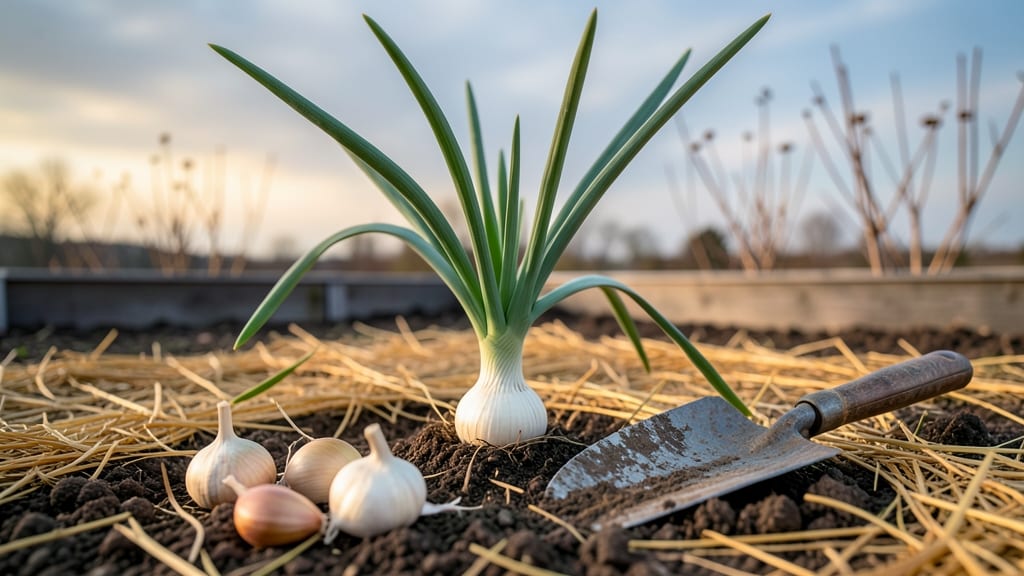
Planting garlic in Vermont isn’t just about timing—it’s about outsmarting the Green Mountain State’s early frosts and short growing season. If you’ve ever watched your garlic cloves rot in the ground or fail to bulb out, you know the stakes are high. The key lies in a narrow window where hardneck varieties like Music or German White get the jump on winter dormancy while avoiding premature freeze damage.
Most Vermont gardeners swear by mid-to-late fall planting, but there’s a science to it: aim for 4-6 weeks before the ground freezes—typically between October and November—when soil temps dip below 40°F.
This pre-chilling period is what triggers robust root growth before winter sets in. Skip spring planting unless you’re in a milder microclimate, as Vermont’s USDA Zones 4b-6a demand hardy timing.
Why does this matter? Because garlic planted too early may sprout and get nipped by frost, while late plantings struggle to establish roots before winter. I’ll walk you through the exact frost-resistant window, soil prep tricks, and mulching hacks that’ve worked for Vermont growers for decades.
Let’s get your 🧄 off to the right start—no wasted cloves or disappointed harvests.
Ready to turn your garden into a garlic powerhouse? The secret isn’t just patience—it’s precision. From choosing the right variety to protecting your crop through Vermont’s unpredictable winters, I’ve got the step-by-step guide to ensure your garlic thrives when others fail. Let’s dive in.
Optimal planting windows for Vermont garlic: hardneck varieties by frost Zone
Vermont’s frost zones 5-7 create unique challenges for garlic growers. Hardneck varieties like Music, German White, and Chesnok Red thrive when planted at precise times to withstand sub-zero temperatures and short growing seasons.
The key is planting 4-6 weeks before ground freeze—typically between mid-October and mid-November—to allow roots to establish before winter dormancy.
Unlike milder climates, Vermont’s early frost dates (often by mid-October) mean spring planting is risky. However, if fall planting is missed, late winter/early spring (February-March) can work with pre-chilling (6-8 weeks at 35-45°F). This mimics Vermont’s natural cold stratification, ensuring bulbs mature properly.
Soil temperature is critical—hardneck garlic needs soil below 40°F for dormancy but above freezing at planting. In Zone 5 (northern VT), aim for October 15-30, while Zones 6-7 (southern VT) can extend until November 15. Use a soil thermometer to verify conditions before planting.
Here’s your Vermont-specific planting guide by frost zone, including pre-chilling requirements and soil temperature thresholds for hardneck varieties:
| Frost Zone | Fall Planting Window | Spring Planting Window | Soil Temp Threshold | Pre-Chilling Needed | Hardneck Varieties |
|---|---|---|---|---|---|
| Zone 5 (e.g., Burlington) | Oct 15–30 | Feb 15–Mar 15 | 35–40°F | 6–8 weeks | Music, German White |
| Zone 6 (e.g., Montpelier) | Oct 20–Nov 10 | Feb 20–Mar 20 | 38–42°F | 6–8 weeks | Chesnok Red, Silverskin |
| Zone 7 (e.g., Brattleboro) | Oct 25–Nov 15 | Mar 1–15 | 40–45°F | 4–6 weeks | German Red, Purple Stripe |
For Zone 5 gardeners, Music garlic is a top choice due to its cold hardiness and early maturity. Plant cloves 2 inches deep, 4 inches apart, and cover with 4–6 inches of straw mulch to insulate bulbs during winter.
In Zones 6-7, varieties like Chesnok Red perform well with slightly later planting dates, allowing roots to establish before first hard frosts.
Spring planting is not ideal but possible if you pre-chill cloves in a refrigerator or cold frame. Start this process 6–8 weeks before your target planting date.
For example, if planting in early March, begin chilling cloves in early February. This mimics Vermont’s natural winter and helps bulbs break dormancy on schedule.
Monitor soil moisture during winter—garlic needs consistent moisture but drainage to prevent rot. In Zone 5, snow cover helps insulate soil, while Zone 7 may need extra mulch during thaw cycles. Remove mulch in early spring (March-April) to allow soil to warm and resume growth.
Harvest timing varies by variety: scapes (flower stalks) appear in late June, while bulbs are ready in late July–August. In Vermont, early-maturing varieties like Music are best for Zone 5, while later-maturing types suit Zones 6-7.
Always harvest when lower leaves brown and bulbs feel firm.
Pro tip: Use Vermont’s last frost dates as a guide. For Zone 5, aim to plant by October 30; for Zone 7, extend to November 15. Adjust for microclimates—south-facing beds warm faster and may need earlier planting.
🌱
Step-by-step Vermont garlic planting guide: from soil prep to harvest timing
Planting garlic in Vermont requires careful attention to soil prep and timing to survive harsh winters and yield flavorful bulbs. Unlike warmer climates, Vermont’s hardneck varieties (like Music or German White) thrive when planted in fall—typically between mid-October and November—to establish roots before dormancy.
This timing ensures they break dormancy early in spring, giving you a jumpstart on the growing season.
Before planting, focus on soil amendments to create ideal conditions. Vermont’s often acidic soil benefits from compost (2–3 inches mixed in) and a sprinkle of elemental sulfur to lower pH slightly.
Aim for a pH between 6.0 and 7.0, which prevents nutrient deficiencies and encourages robust bulb development. Test your soil first—many Vermont gardens need these adjustments to avoid stunted growth.
Select hardneck garlic (e.g., Music, Chesnok Red)—they’re bred for cold climates like Vermont’s. Avoid softneck varieties; they struggle in freezing winters.
Separate bulbs into individual cloves 1–2 days before planting. Let them dry and form a callus to prevent rot. Discard any soft or moldy cloves—they’ll fail to sprout.
Dig trenches 2 inches deep (or 2x the clove’s length). Point the root end downward—it’s the smaller, flatter side. Space cloves 4–6 inches apart in rows 12 inches apart for airflow.
Cover planted cloves with 4–6 inches of straw mulch after the ground freezes. This insulates roots from temperature swings and prevents heaving. Add more mulch in late winter if snow is scant.
When snow melts (typically late March to April), remove half the mulch to let soil warm. Fertilize lightly with 5-10-10 (½ cup per 10 sq ft) once green shoots appear—usually by mid-April.
Cut scape stalks (curly stems) in July when they form a loop—this redirects energy to bulb growth. Harvest bulbs in late July to August when lower leaves brown and bulbs feel firm. Cure them in a shady, dry place for 2 weeks.
Post-planting care in Vermont focuses on protection from frost heaves and spring moisture balance. Avoid overwatering in winter—excess moisture can rot cloves. Instead, water deeply but infrequently in spring (every 10–14 days) once shoots emerge.
This encourages strong root development without inviting fungal diseases common in Vermont’s damp climate.
Timing your harvest is critical: hardneck garlic in Vermont typically matures by late July to August, but watch for brown lower leaves and dry stems—these signal readiness. If left too long, bulbs may split or sprout.
Cure harvested garlic in a well-ventilated area (like a garage) for 2 weeks to extend storage life. With this method, you’ll enjoy homegrown Vermont garlic that’s sweeter and more robust than store-bought varieties.
Pro tip: Mark your planting rows with stakes or flags in fall—Vermont’s snow can obscure garden beds, and forgetting where you planted is a common mistake. A little preparation now means a bountiful harvest next summer! 🌱