
Plants
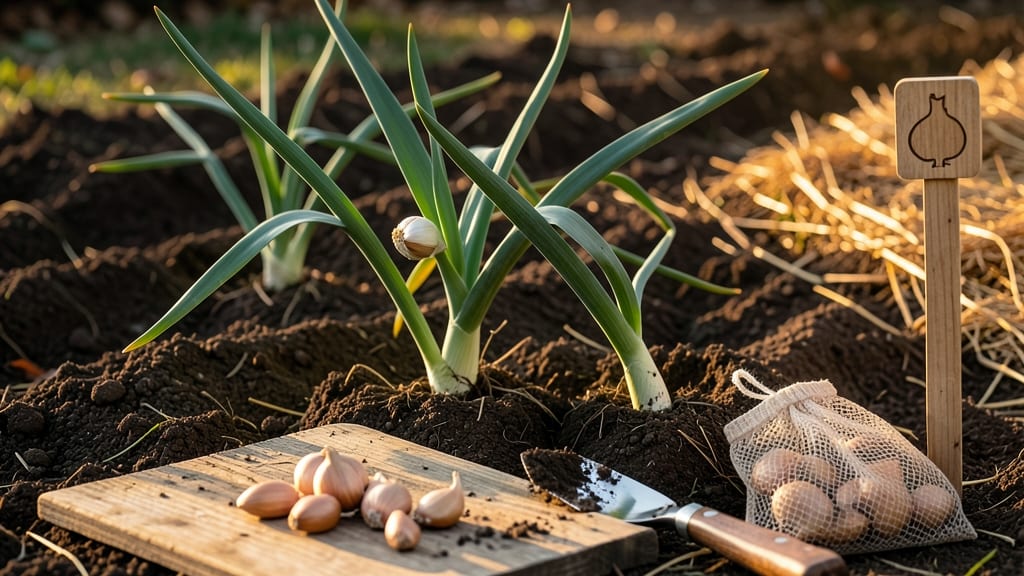
Planting garlic in Illinois at the wrong time could mean the difference between a bountiful harvest of 🧄 and a disappointing flop—so getting the timing right is everything for both hardneck and softneck varieties.
If you've ever wondered why some gardeners in zones 5-6 swear by fall planting while others prefer spring, the answer lies in Illinois' unique climate. The key is understanding how frost dates and soil temperatures work together to create the perfect window for planting.
In this guide, I'll break down the best months to plant garlic in Illinois, whether you're growing hardneck or softneck varieties, and share pro tips to adjust your schedule based on your specific location's first frost date.
You'll learn how to calculate your ideal planting dates, avoid common mistakes Illinois gardeners make, and ensure your garlic gets the strong start it needs for a successful summer harvest.
Best planting months for garlic in Illinois by variety (hardneck vs. softneck)
Choosing the right planting time for garlic in Illinois depends entirely on whether you're growing hardneck or softneck varieties. Both thrive in Illinois' USDA Zones 5-6, but their ideal windows differ slightly.
Hardneck varieties like Music or German Red need a cold period to form bulbs, while softneck types like Silverskin are more flexible. Getting this timing right ensures strong root development before winter sets in.
In Illinois, the first hard frost typically arrives between October 15 and November 15, making this your target window. Planting too early (before soil cools) or too late (after ground freezes) can stunt growth or invite rot.
For hardneck garlic, aim for October through mid-November, while softneck varieties can handle a slightly earlier start in September or early October. Let's break down the specifics for each type.
| Variety Type | Optimal Planting Window | Key Notes for Illinois | Soil Temp Threshold |
|---|---|---|---|
| Hardneck Garlic | October 1 - November 15 | Needs cold vernalization for bulb formation; plant 4-6 weeks before first hard frost. | 40-50°F (4°C-10°C) |
| Softneck Garlic | September 15 - October 15 | More adaptable; can handle slightly warmer soil but still benefits from early fall planting. | 45-55°F (7°C-13°C) |
| Both Varieties | Spring (March) | Possible but less ideal; bulbs may be smaller and lack the robust flavor of fall-planted garlic. | 50-60°F (10°C-15°C) |
For hardneck garlic, the October 1 to November 15 window is critical because these varieties require vernalization—a cold period—to trigger bulb development. In Illinois, planting after mid-November risks exposing cloves to freezing soil, which can lead to rot or poor germination.
Northern Illinois gardeners (Zones 5) should plant on the earlier side, while those in Southern Illinois (Zone 6) have a slightly longer window.
Softneck garlic is more forgiving but still benefits from an early start. Planting between mid-September and mid-October gives roots time to establish before winter. This variety stores better and is often preferred for braiding, but it won’t produce the bold, papery-skinned bulbs of hardneck types.
If you miss the fall window, both varieties can be planted in early spring (March), though yields and flavor may suffer.
One common mistake in Illinois is waiting until December or later to plant garlic, assuming "earlier is better." However, soil temperatures below 40°F (4°C) can halt root growth. Use a soil thermometer to confirm temperatures are consistently above 45°F (7°C) before planting.
In Chicago and northern Illinois, this often means starting by October 15, while St. Louis and southern regions can extend planting until November 1.
Regional microclimates also play a role. Urban areas like Chicago tend to cool faster than rural zones, so adjust your timeline accordingly. If you’re unsure about your local frost date, check the Old Farmer’s Almanac or your local Cooperative Extension Service for Illinois-specific forecasts.
These resources provide 10-day average lows that help pinpoint the ideal planting window for your exact location.
Pro tip: If you’re growing hardneck varieties for scape harvests (those delicious green garlic shoots in spring), plant a few extra cloves in late September. These can be harvested early for fresh eating while the main bulbs mature later in the season.
This dual-purpose approach maximizes your garlic harvest in Illinois’ short growing season.
Finally, don’t overlook soil preparation. Illinois’ clay-heavy soils benefit from amendments like compost or aged manure to improve drainage. Aim for a pH between 6.0 and 7.0, and plant cloves 2 inches deep with the pointy end up.
Space them 4-6 inches apart in rows 12 inches apart to allow for bulb expansion.
With the right timing and care, your Illinois garlic patch can yield plump, flavorful bulbs ready for harvest next July or August. Whether you’re a hardneck enthusiast or a softneck lover, mastering these planting windows will set you up for success in the Prairie State’s unique climate. 🧄
How to adjust your planting schedule for Illinois’ frost dates and soil conditions
Illinois’ first hard frost typically arrives between October 15–November 15, but your exact planting window depends on your region—Chicago’s Zone 5 areas need earlier prep than Southern Illinois’ Zone 6 spots. Aim to plant 4–6 weeks before the ground freezes (soil temps should hit 40–50°F consistently).
Use your local frost date calendar (check the Midwest Regional Climate Center) to pinpoint your deadline. For example, Northern Illinois gardeners should plant by early November, while Southern Illinois can stretch until mid-November.
Soil temperature is critical—garlic cloves won’t sprout in cold, frozen ground. Test your soil with a soil thermometer (aim for 40–50°F at 4-inch depth). If temps drop below 32°F, cover beds with straw mulch (3–4 inches) to insulate roots.
⚠️ Critical Warning: Planting Too Late
If you plant after December 1, your garlic may not mature before Illinois’ spring heat (bulbs need 60–80 days of cool temps to form properly). Late-planted cloves often produce small, weak bulbs or rot over winter.
For spring planting (less ideal but possible), wait until March when soil temps reach 50°F. Spring garlic grows faster but yields smaller bulbs—perfect for green garlic but not storage crops. Use softneck varieties like ‘Silverskin’ for spring, as they tolerate warmer soils better.
Adjust for microclimates: South-facing beds warm faster than north-facing ones. If your yard has frost pockets (low spots where cold air settles), plant those areas first to give garlic a head start. Use a frost blanket on exposed beds if temps dip unexpectedly.
Pro tip: Mark your planting date on a calendar and count back 180–240 days to estimate harvest time. Illinois’ harvest window falls in July–August, so plan ahead for summer maintenance like weeding and watering.