
Plants
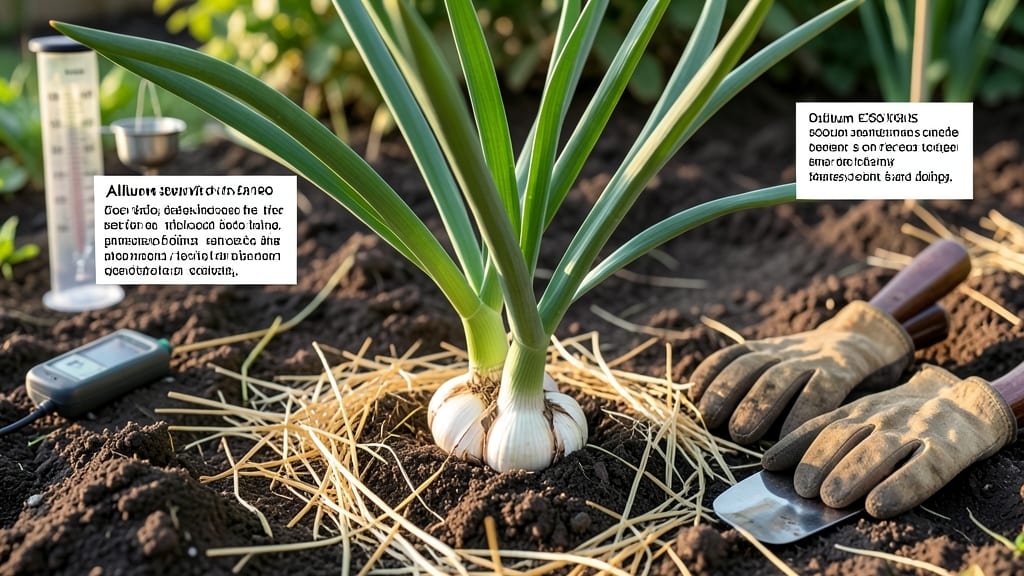
Planting garlic at the wrong time in Adelaide can mean the difference between a bumper harvest and wasted effort. The perfect window—April to May—aligns with the city’s mild autumn climate, but even a few weeks off can shrink your bulbs or stall growth entirely.
Hardneck varieties like those thriving in zone 8a need cool soils and escaping summer heat to form strong roots, and Adelaide’s Mediterranean swings make timing critical.
Why does this matter? Because garlic planted too early may rot in soggy winter soil, while late plantings risk stunted growth before the first frost. The key is balancing soil temperature—ideally 10-15°C—and avoiding Adelaide’s unpredictable autumn rains that can drown cloves.
Even experienced gardeners miss the mark, but with the right cues (like leaf color and bulb firmness), you’ll nail it every time.
I’ll walk you through the exact steps to prepare your soil, choose the right cloves, and adjust for Adelaide’s microclimates—whether you’re in the cooler hills or the warmer plains.
Think of it as a game-changer for your 🧄 harvest: skip the guesswork, and you’ll enjoy plump, flavorful bulbs by next spring.
Ready to turn your autumn planting into a spring success? Let’s break down the science behind Adelaide’s ideal timing, plus the simple checklist that’ll have your garlic thriving—no matter where you are in the city.
Best autumn planting dates for garlic in Adelaide’s climate zones
Adelaide’s Mediterranean climate creates perfect conditions for growing hardneck garlic in autumn, but timing varies dramatically across the city’s three distinct microclimates. Northern suburbs like Modbury and Morphettville experience warmer autumns, while the Adelaide Hills cool faster and face earlier frosts.
Even the Adelaide Plains have subtle differences in soil temperature that affect root establishment.
The ideal planting window for garlic in Adelaide is mid-April to early May, but this shifts by up to 3 weeks depending on your location. Planting too early risks premature sprouting from warm soils, while late planting may result in small bulbs before winter dormancy.
Let’s break down the exact timing for each zone to maximize your harvest potential.
| Climate Zone | Ideal Planting Window | Soil Temp Trigger | Frost Risk | Key Consideration |
|---|---|---|---|---|
| Northern Suburbs (Modbury, Morphettville, Seacliff) | Late April to early May | 12-15°C (54-59°F) | Low (first frost mid-June) | Warmer soils delay root growth; wait until soil cools below 20°C (68°F). |
| Adelaide Plains (Glenelg, Walkerville, West Beach) | Mid-April to late April | 10-13°C (50-55°F) | Moderate (first frost late May) | Balanced climate; plant when daytime temps drop below 25°C (77°F). |
| Southern Hills (Hahndorf, Stirling, Mount Lofty) | Early April to mid-April | 8-11°C (46-52°F) | High (first frost early May) | Cooler soils; plant 4-6 weeks before first frost date to ensure root establishment. |
For northern Adelaide, where soils stay warmer longer, hold off until early May to avoid bolting (premature flowering). Test your soil temperature with a soil thermometer—garlic roots need cool but stable temperatures between 10-15°C (50-59°F) to establish properly.
In my garden, I’ve seen cloves planted in late March in northern zones sprout too early, only to wither during heatwaves.
The Adelaide Plains offer the most forgiving window, with mid-April being ideal. This zone benefits from moderate autumn rains, reducing the need for supplemental irrigation. I recommend planting hardneck varieties like ‘German White’ or ‘Silverskin’ here—they handle the alkaline soils better than softer-necked types.
Add gypsum (200g per square meter) before planting to improve drainage in clay-heavy areas.
If you’re in the Adelaide Hills, act fast—plant by early April to give roots time to establish before winter frosts. The Mount Lofty Ranges can experience ground frosts as early as May, which stunts bulb development.
I’ve had success using black plastic mulch in these areas to retain heat and delay frost damage. Choose cold-hardy varieties like ‘Creole’ or ‘Artichoke’ for the Hills.
One critical mistake I see gardeners make is ignoring moon planting phases. While not scientifically proven, planting garlic during a waxing moon (when the moon is growing) aligns with root growth cycles.
Check lunar calendars for April’s waxing moon (typically around April 10-15) for optimal timing in most zones. Pair this with planting at dusk to reduce transplant shock.
After planting, mulch heavily with straw or lucerne hay (5-7cm deep) to insulate roots during Adelaide’s unpredictable autumn weather. In 2022’s late heatwave, my unmulched garlic in the northern suburbs bolted early, while mulched beds produced full-sized bulbs.
Water deeply once a week (500ml per plant) until first rains, focusing on the root zone to encourage downward growth.
Monitor your garlic for early signs of stress, like yellowing leaves or stunted growth, which can indicate overwatering or nutrient deficiencies. In
How to prepare garlic cloves for Adelaide’s autumn planting
Preparing garlic cloves for Adelaide’s alkaline soils and unpredictable autumn rains starts long before you pop them into the ground.
The right prep ensures strong root development and larger bulbs—critical for hardneck varieties like ‘German White’ or ‘Creole Red’ that thrive in zone 8a. I’ve learned the hard way that skipping these steps means stunted growth or even rot, especially when Adelaide’s soils can be too dense or waterlogged after winter rains.
Your first task is selecting plump, disease-free cloves from last year’s harvest or a trusted supplier. Avoid any with soft spots or sprouts longer than 1/4 inch, as these won’t establish well.
Store them in a cool, dark place (like a mesh bag in your pantry) for 4-6 weeks before planting to mimic Adelaide’s natural chilling period—this jumpstarts root growth when you finally plant.
Step-by-Step Prep for Adelaide’s Autumn Planting
- Step 1: Break apart a whole bulb into individual cloves, ensuring each has its paper skin intact—this protects against soil-borne diseases common in Adelaide’s wetter months.
- Step 2: Soak cloves in a 1% sulfur solution (1 tbsp sulfur powder per gallon of water) for 10 minutes to lower soil pH and prevent fungal issues in alkaline soils.
- Step 3: Amend your soil with composted manure or aged chicken pellets (high in phosphorus for root growth) and work in gypsum (1 cup per square meter) to improve drainage.
- Step 4: Plant cloves 2 inches deep, 4 inches apart, with the pointy end up—this mimics their natural growth pattern and prevents uneven bulbs.
- Step 5: Space rows 12 inches apart to allow airflow and reduce disease pressure from Adelaide’s humid autumns. Mulch with straw or lucerne hay to retain moisture.
Adelaide’s alkaline soils (often pH 8.0+) can stunt garlic growth, so a soil test before planting is worth the investment. If your soil tests high in pH, add elemental sulfur (1/2 lb per 100 sq ft) 4-6 weeks before planting to acidify the soil slightly.
This small step can double your bulb size by improving nutrient uptake.
One mistake I see often is overcrowding cloves—tight spacing leads to smaller bulbs and increased competition for nutrients. Aim for 30-40 cloves per square meter, and avoid planting in low-lying areas where cold air pools and delays germination.
Instead, choose a sunny, slightly elevated spot with at least 6 hours of direct sunlight daily.
After planting, water deeply but infrequently—Adelaide’s autumn rains can be erratic, so aim for 1 inch of water per week, delivered in the morning to prevent fungal diseases. Avoid wetting the leaves, as this encourages rust or botrytis, common in garlic during Adelaide’s damp springs.
With these steps, your cloves will establish strong roots before winter, setting you up for plump, flavorful bulbs by next October.
Pro tip: Mark your planting spots with biodegradable flags—Adelaide’s unpredictable weather can make it easy to forget where you’ve sown, and digging up garlic by accident is a rookie mistake. Happy planting! 🌱