
Plants
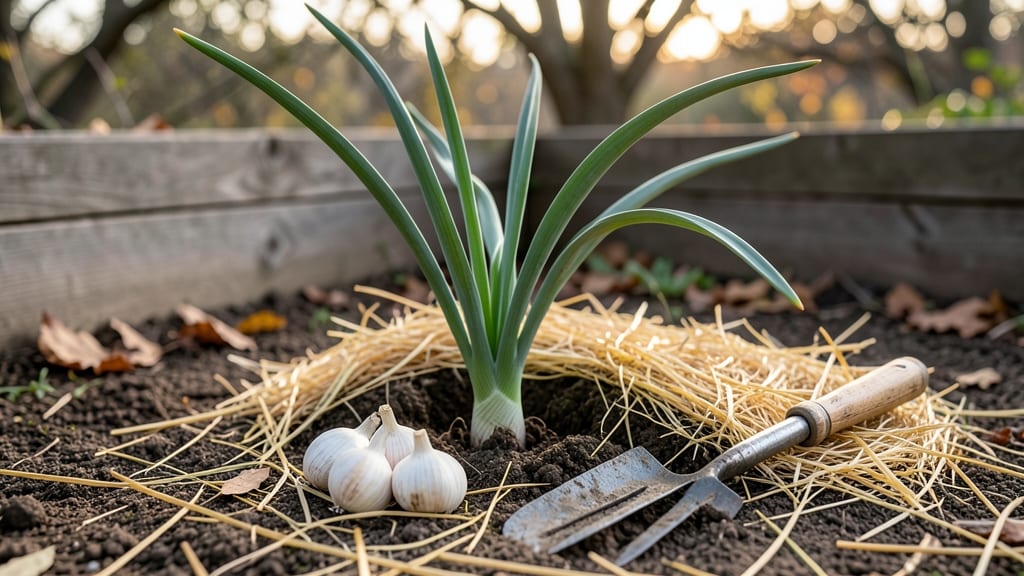
Planting garlic in Zone 7 at the right time is the difference between plump, flavorful bulbs and disappointing harvests. The secret lies in timing—too early, and your cloves rot; too late, and you’ll end up with small, weak harvests.
For gardeners in Zone 7, fall planting between October and November is your best bet, but getting the exact window matters.
Why does timing matter so much? Garlic needs 6-8 weeks of cool soil before the ground freezes to establish roots. In Zone 7, where first frost hits around mid-November, planting too soon can trigger early sprouting, while waiting too long risks stunted growth.
The key is planting 4-6 weeks before the ground freezes, ensuring your 🧄 thrives through winter.
Beyond the calendar, soil temperature and variety play a role. Hardneck garlic, popular for its sturdy stems, prefers cooler conditions, while softneck varieties are more flexible. Whether you’re a seasoned gardener or just starting, mastering this timing will give you the healthiest, most productive garlic crop possible.
Ready to grow garlic that rivals store-bought? I’ll walk you through the exact steps—from soil prep to mulching—to guarantee success. Let’s get those cloves in the ground at the perfect moment.
Optimal fall planting window for Zone 7 garlic
Timing is everything when planting garlic in Zone 7, and a 6-week fall window separates plump bulbs from disappointing harvests. The ideal planting period spans from mid-October to early December, but exact dates depend on your location within Zone 7 and soil conditions.
Northern Zone 7 gardeners should plant earlier, while southern areas can wait slightly longer.
Garlic needs 4-6 weeks of cool soil before the ground freezes to establish roots. In Zone 7, soil temperatures typically drop below 50°F (10°C) by mid-November, so aim to plant 4-6 weeks before your last expected frost date.
For most of Zone 7, this means October 15 to November 15 is the sweet spot.
Moon phases also play a subtle but meaningful role. Planting during the waxing moon (when the moon is growing brighter) is traditionally believed to encourage root development. For Zone 7, this often aligns with late October to early November, though modern gardeners prioritize soil temperature over lunar cycles.
Hardneck varieties like 'Music' or 'German White' thrive in Zone 7's cooler winters, while softneck types such as 'Artichoke' or 'Silverskin' prefer milder conditions. Hardnecks need the cold to form bulbs, so they should be planted 2-3 weeks earlier than softnecks to ensure proper chilling.
Soil temperature is the critical factor—garlic cloves won't sprout until soil reaches 40-50°F (4-10°C). Use a soil thermometer to confirm readiness. If temperatures drop too quickly, cover newly planted cloves with straw mulch to insulate them until winter sets in.
Here’s your Zone 7 garlic planting timeline with regional adjustments:
Adjust your planting date if unseasonably warm or cold weather arrives. Check your local Almanac frost dates and monitor soil temps weekly. For example, if your area experiences a heatwave in October, delay planting until soil cools to avoid sprouting too early and rotting.
Pro tip: Plant hardneck varieties first (by October 15) since they need more cold exposure. Follow with softnecks 2–3 weeks later to stagger harvest times. This ensures you have garlic ready from late June through August, maximizing your kitchen supply.
Once planted, mulch with 4–6 inches of straw to protect cloves from freezing and suppress weeds. Remove mulch in early spring to allow soil to warm and encourage sprouting. With the right timing, your Zone 7 garlic will reward you with bold flavor and large bulbs—worth the patience!
Optimal fall planting window for Zone 7 garlic
In Zone 7, the 6-week window between mid-October and mid-November is your sweet spot for planting garlic. This timing ensures cloves establish roots before winter dormancy but avoid premature sprouting.
For northern Zone 7 (e.g., Virginia, West Virginia), aim for October 15–November 1, while southern Zone 7 (e.g., Georgia, Alabama) can stretch until November 15.
Soil temperature is the key factor—plant when it drops to 60–65°F but before hard frost (mid-November in Zone 7). Check your last frost date and count backward 4–6 weeks. Some gardeners even use the moon phases, planting during the waxing moon for stronger roots.
Choose between hardneck (best for cold winters) and softneck (milder winters) varieties. Hardnecks like 'Music' or 'German Red' thrive in Zone 7’s winters, while softnecks like 'Silverskin' prefer slightly warmer microclimates. Adjust your window based on your variety’s cold tolerance.
Zone 7 Garlic Planting Timeline
| Stage | Action | Key Details |
|---|---|---|
| Soil Prep | Test & amend | pH 6.0–7.0, add compost |
| Planting Window | Mid-October–Mid-November | 4–6 weeks before frost |
| Depth | 2 inches | Pointed end up, 4–6" apart |
| Mulching | After frost | 4–6" straw or leaves |
| Spring Care | Remove mulch | Add nitrogen when shoots emerge |
🌱 Pro Tip: Use a soil thermometer to confirm 60°F soil temps before planting.
Missed the fall window? Don’t panic—early spring planting (February–March) is your backup. However, spring garlic may produce smaller bulbs and lack the robust flavor of fall-planted varieties. If you choose this route, use shallower planting depths (1 inch) and monitor for early sprouting.
Zone 7’s microclimates matter—gardeners in valleys may experience frost 2 weeks earlier than those on hilltops. Observe your garden’s frost patterns for 2–3 years to refine your planting dates. A frost cloth can extend your window by 2–3 weeks if needed.
Timing isn’t just about dates—it’s about soil conditions. Well-draining soil prevents rot, while organic matter (like compost) fuels bulb development. Amend your soil with aged compost or well-rotted manure 2–3 weeks before planting to give roots a head start.