
Planting
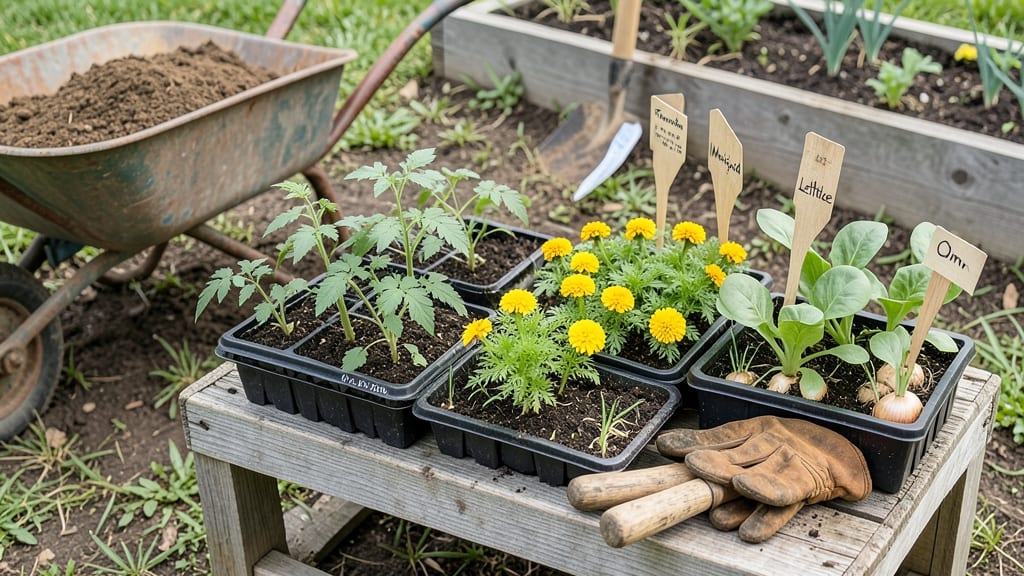
Planting your garden at the right time in Upstate New York isn’t just about luck—it’s about knowing when those last frost dates shift from threat to opportunity. Miss the window, and your tender seedlings could turn into a sad, icy snack.
But nail it, and you’ll be feasting on homegrown tomatoes and crisp lettuce all summer long.
With USDA zones 5b-6a and a growing season that ranges from 150 to 180 frost-free days, timing matters more than ever.
Whether you’re a seasoned gardener or just starting with a few 🌱 General Garden Plants, understanding the ideal planting windows—like April 15 to May 15 for spring and August 1 to September 15 for fall—can mean the difference between a thriving plot and a disappointing one.
Here’s the game-changer: Upstate NY’s frost dates vary by county, and microclimates (like lakes vs. inland areas) can throw off even the best-laid plans.
I’ll break down exactly when to plant cool-season crops like spinach and peas versus warm-season stars like tomatoes and peppers, so you can avoid the heartbreak of a missed harvest.
Ready to turn your backyard into a productive paradise? Let’s dive into the local frost dates, soil prep secrets, and planting strategies that actually work for Upstate NY’s unpredictable weather. Your future salad is waiting!
Upstate NY frost dates by county: when to plant cool-season vs warm-season crops
Understanding Upstate New York's frost dates is crucial for gardeners aiming to maximize their harvests. The region spans USDA zones 4b-6a, with last spring frosts ranging from early April in southern counties to late May in mountainous areas.
These variations mean cool-season crops like kale and spinach can thrive earlier in the season, while warm-season favorites like tomatoes and peppers need precise timing to avoid frost damage.
Microclimates play a huge role—valley regions like the Mohawk Valley warm up faster than higher elevations in the Adirondacks or Catskills. For example, Albany County typically sees its last frost around April 20, while Essex County in the Adirondacks can wait until May 15.
These differences impact when you should sow seeds or transplant seedlings.
Here’s a county-by-county guide to help you plan your spring and fall planting windows. Use these dates as a starting point, then adjust based on local weather forecasts and your garden’s microclimate.
Remember, warm-season crops need soil temperatures above 60°F to thrive, while cool-season crops can handle cooler soil and even light frosts.
For cool-season crops like lettuce, spinach, and peas, start seeds indoors 4-6 weeks before your
How to adjust planting times for Upstate NY’s unpredictable weather patterns
Upstate New York’s short growing season and unpredictable frost dates demand flexibility. I’ve learned to adjust planting times based on microclimates—like valley regions warming faster than mountainous areas—and historical frost data from Cornell Cooperative Extension.
Start by checking your USDA Zone (5b-6a) and local weather trends, which can shift frost dates by 1-2 weeks each year.
For warm-season crops like tomatoes and peppers, wait until soil temperatures hit 60°F—not just air temps. Use a soil thermometer to confirm readiness, especially in cooler microclimates near lakes or higher elevations. I’ve seen late-May plantings thrive in sheltered valley spots while mountaintop gardens needed to wait until June.
Don’t overlook fall planting, which can yield just as much as spring. I’ve had kale and carrots thrive when sown in early August for harvests before the first frost (mid-October). Use black plastic mulch to warm soil and extend the season by 2–4 weeks.
For container gardening, move pots to warmer microclimates (like south-facing patios) during cool snaps. I’ve grown tomatoes in containers successfully by rolling them into a garage on 32°F nights—a trick that works for herbs and peppers too.
Finally, keep a planting journal to track what works in your specific microclimate. Note adjustments like earlier starts or later finishes, and share with neighbors—Upstate NY’s diverse frost patterns mean no two gardens are the same.