
Trees
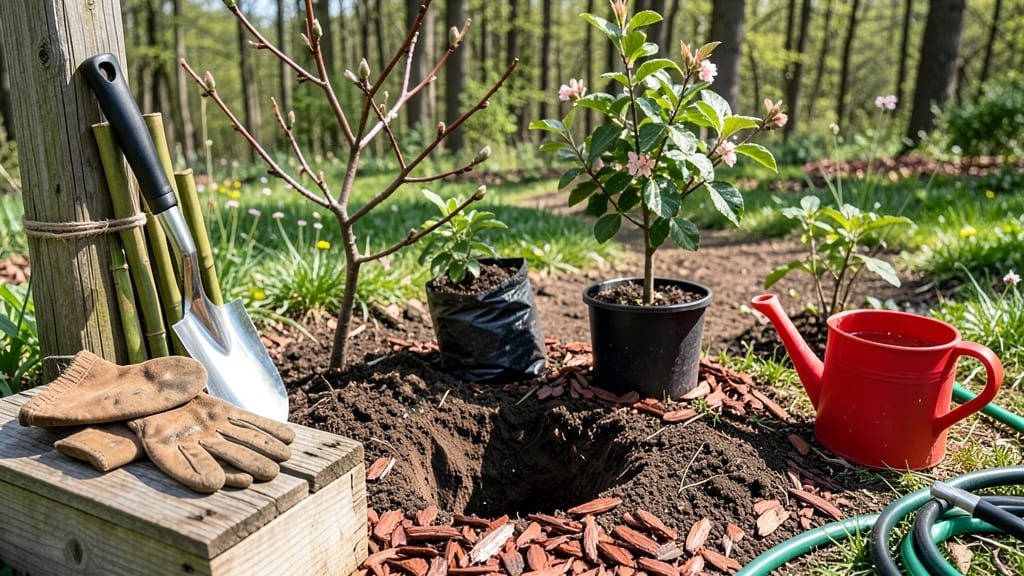
Planting fruit trees 🍎 in Zone 5 at the wrong time can turn your dream orchard into a costly mistake—chill hours, soil conditions, and frost dates all dictate when to dig that first hole.
Whether you're dreaming of crisp apples or sweet cherries, getting the timing right means the difference between a thriving tree and one that struggles to survive.
Most gardeners in Zone 5a-5b know early spring (April-May) is the prime window, but fall planting (September-October) also works if you follow the right steps. The key? Avoiding frozen soil and understanding how your specific fruit tree variety handles dormancy.
I’ll break down the best months, soil prep secrets, and how to adjust for northern vs. southern parts of the zone.
You might think all fruit trees play by the same rules, but stone fruits like peaches need different care than apples or pears. Plus, regional microclimates—like frost pockets or urban heat islands—can shift your ideal planting window by weeks.
Let’s cut through the guesswork so you can plant with confidence and watch your trees grow strong.
Ready to skip the trial-and-error? I’ll walk you through chill hour requirements, soil testing tricks, and even when to mulch for maximum success. By the end, you’ll know exactly when to plant—and how to set your fruit trees up for years of harvests.
Best planting months for fruit trees in Zone 5 based on chill hours
Zone 5 gardeners face a critical decision when planting fruit trees: spring or fall? The answer depends on your tree type and chill hours—the number of hours below 45°F your tree needs to break dormancy.
Most Zone 5 varieties require 500-1,000 chill hours, making timing everything for root establishment and bloom success.
Spring planting (April-May) gives roots time to establish before summer heat, but fall planting (September-October) allows trees to settle before winter dormancy. Stone fruits like peaches need 400-600 chill hours, while apples often require 800+ chill hours. Let’s break down the best windows for each type.
🌱
| Fruit Type | Chill Hours Needed | Best Planting Window | Why This Timing |
|---|---|---|---|
| Apples | 800-1,000+ | Early spring (April) or early fall (September) | Spring: Roots establish before summer; Fall: Settles before winter dormancy |
| Pears | 600-800 | Early spring (April) or late fall (October) | Spring: Avoids late frosts; Fall: Minimizes transplant shock |
| Cherries | 500-900 | Early spring (April) only | Fall planting risks late frosts damaging blooms; Spring ensures root growth before flowering |
| Stone Fruits (Peaches, Plums, Cherries) | 400-600 | Early fall (September) or dormant bare-root in spring | Fall: Roots grow before winter; Spring: Avoids summer stress |
For apples and pears, both spring and fall work, but spring is ideal if your soil stays workable. Stone fruits thrive with fall planting—they establish roots before winter and bloom earlier in spring. Cherries are the exception: Plant only in spring to avoid late frosts damaging their delicate blossoms.
Pro tip: Bare-root trees (sold dormant) must be planted in early spring (March-April) when soil thaws. Container-grown trees can handle fall planting until October, as long as roots aren’t frozen. Always check your last frost date—Zone 5’s average is mid-May, but microclimates vary.
🌿
Chill hours also dictate bloom timing. Trees planted too late may not get enough winter chill, leading to poor fruit set or sporadic blooms. For example, a peach tree planted in late fall might bloom too early in spring, risking frost damage.
Use a chill hour calculator (like the one from your local extension office) to match varieties to your zone’s specifics.
Soil temperature matters too. Roots need 40-60°F soil to grow actively. In Zone 5, this typically means April for spring or September for fall. Test soil moisture—waterlogged roots rot, while dry soil stunts growth.
Mulch with 4-6 inches of organic matter (straw or wood chips) to regulate temperature and retain moisture.
🪴
One common mistake? Planting too early in spring when soil is still cold or too late in fall when frost threatens. Aim for 4-6 weeks before your average last frost (for spring) or 6-8 weeks before first frost (for fall).
In northern Zone 5 (5a), lean toward late April or early September; in southern Zone 5 (5b), March-April or October works better.
Finally, consider rootstock type. Dwarf trees (grafted on M.9 or B.9 rootstock) establish faster than standard varieties, so they tolerate fall planting better. Semi-dwarf and standard trees need more time, making spring planting the safer bet. Always check the rootstock’s chill hour requirements!
🌳
Zone 5 soil preparation checklist before planting fruit trees
Before you plant that first fruit tree in Zone 5, your soil needs to be ready—or your trees will struggle from day one. Zone 5 soil often battles clay compaction in the north or sandy drainage in the south, both of which can stunt root growth.
The good news? With the right prep, you can transform even the toughest soil into a nutrient-rich haven for your trees.
Start by testing your soil pH—most fruit trees thrive between 6.0 and 7.0. If your soil is too acidic (common in clay-heavy areas), add lime; if it’s alkaline (common in sandy soils), work in sulfur or peat moss.
This simple step ensures your trees can access the nutrients they need to grow strong roots and produce fruit.
Now, let’s tackle the soil texture. If your soil is clay-heavy, mix in compost and coarse sand to improve drainage. For sandy soil, amend with organic matter like compost or well-rotted manure to retain moisture. Aim for a loamy texture—think crumbly, like a well-aged cake batter.
🌱 Zone 5 Soil Prep Checklist
- ☑️ Test soil pH (target: 6.0–7.0)
- ☑️ Amend clay soil with compost + sand
- ☑️ Add organic matter to sandy soil (compost/manure)
- ☑️ Loosen soil 18–24 inches deep for roots
- ☑️ Mulch heavily (3–4 inches) to retain moisture
- ☑️ Avoid fresh manure (use composted instead)
Don’t skip the step of loosening the soil to a depth of 18–24 inches. Fruit tree roots need room to spread, and compacted soil can choke them. Use a broadfork or tiller to break up the soil without disrupting the natural structure too much.
If your soil is especially tough, rent a rototiller for heavier-duty work.
After amending, mulch around the base of your planting site with 3–4 inches of organic mulch (like wood chips or straw). Mulch locks in moisture, regulates soil temperature, and keeps weeds at bay.
Just be sure to keep mulch away from the trunk to prevent rot. This is especially critical in Zone 5’s hot summers and cold winters.
Finally, give your soil a nutrient boost with a balanced fertilizer (like 10-10-10) at planting time. This jumpstarts root growth and sets your trees up for success.
For clay-heavy soils, add a handful of gypsum to help break up compaction. For sandy soils, mix in composted bark to improve water retention.
With these steps, your Zone 5 soil will be ready to support fruit trees that thrive for decades. Now you’re set to plant with confidence—whether you’re adding an apple tree or a peach in your backyard orchard! 🌳