
Trees
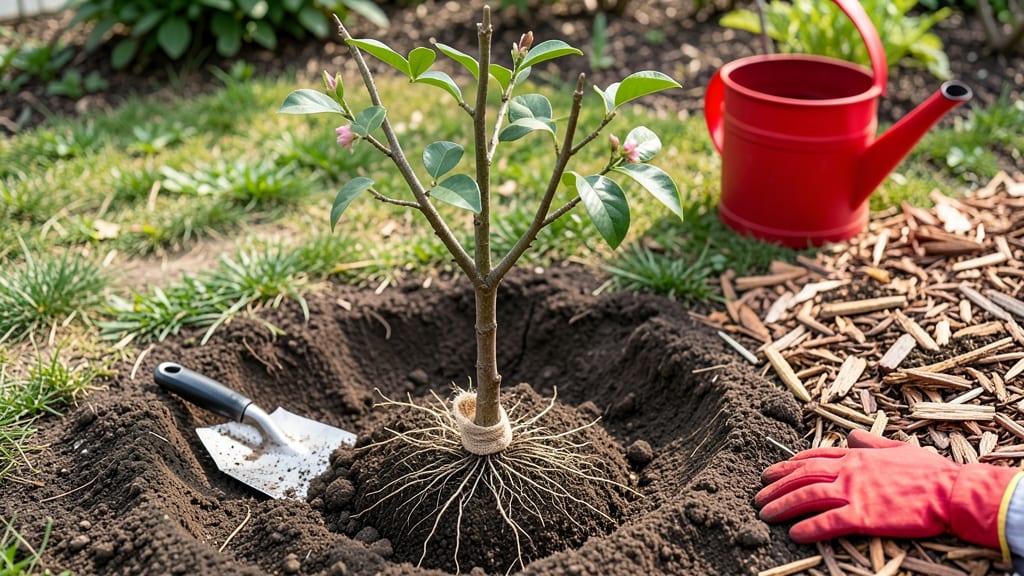
Planting fruit trees at the wrong time in California can turn your dream orchard into a costly mistake—especially when coastal fog, desert heat, and valley chill collide.
The ideal window isn’t just about months; it’s about microclimates where citrus thrives year-round in Zone 10 while stone fruits need winter dormancy in Zone 8.
I’ve seen gardeners rush planting in spring only to watch their trees struggle under summer heat or freeze in unexpected frost pockets. The key? Timing that matches your region’s last frost, soil warmth, and even rainfall patterns.
Whether you’re in San Diego’s mild coastal zone or the Central Valley’s frost-prone areas, getting this right means the difference between a bountiful harvest and years of frustration.
In this guide, I’ll break down the exact months to plant 🍎 fruit trees in your specific corner of California—from bare-root peaches in November to container-grown citrus in April.
You’ll learn how to read soil temperature cues, adjust for variety-specific needs (like avocados vs. apples), and avoid common pitfalls that derail even the most eager gardeners.
Ready to turn your backyard into a productive orchard? Let’s dive into the science—and the secrets—behind planting fruit trees when they’ll take root, grow strong, and reward you with fruit for decades.
California microclimate planting zones: best months by region
California’s diverse microclimates mean planting fruit trees in January might work in coastal Zone 10, while inland Zone 8 gardeners should wait until March. Understanding these regional differences is critical—your peach tree in Fresno thrives with a different schedule than your citrus in San Diego.
Let’s break down the optimal planting windows for California’s three main regions: Northern, Central, and Southern. Each zone has unique frost risks, soil conditions, and rainfall patterns that dictate the best time to plant bare-root or container-grown trees.
🌱
| Region | USDA Zone | Best Planting Months | Key Considerations |
|---|---|---|---|
| Northern California | 8-9 | November–March | Avoid late frosts (Jan–Feb); ideal for stone fruits (peaches, plums) and apples. |
| Central California (Valley) | 9-10 | December–February | Hot summers; plant citrus and avocados in cooler months to reduce transplant shock. |
| Southern California (Coastal) | 10-11 | Year-round (best: Nov–Feb) | Mild winters; citrus and olives can be planted any time, but avoid summer heat stress. |
| Desert Regions (e.g., Palm Springs) | 10-11 | November–January | Extreme heat; prioritize drought-tolerant varieties like figs or pomegranates. |
In Northern California, where Zone 8 frosts linger until March 15, I recommend planting bare-root trees in November or December while they’re dormant.
This gives roots time to establish before spring growth. Peach trees and apples are classic choices here, as they need a chill period to fruit properly.
Central Valley gardeners in Zone 9-10 should focus on December to February planting. The key is avoiding the summer heat, which can stress young trees. Citrus trees like lemon or orange varieties thrive here but need well-draining soil to prevent root rot from winter rains.
For Southern California, including coastal areas like San Diego and Los Angeles, the rules relax significantly. Zone 10-11 allows planting year-round, but I still recommend November through February for optimal success. Avocados and figs love this climate, but even they benefit from cooler temperatures during transplanting.
🌿
One common mistake I see is planting container-grown trees in summer, especially in inland areas. The heat stress can kill young roots before they establish. If you must plant in summer, choose shady spots and water deeply every 2-3 days until roots settle in.
Another pro tip: Soil temperature matters just as much as air temperature. Use a soil thermometer to ensure it’s above 60°F (15°C) before planting. In cooler zones, this might mean waiting until late February or even March.
🪴
Let’s talk about specific fruit tree varieties and how their planting windows differ. For example, stone fruits like peaches and plums need chill hours (300–700 hours below 45°F) to fruit, so they’re best planted in Northern or Central California during dormancy.
Meanwhile, citrus and avocados can handle milder winters and are more flexible with timing.
Finally, always check your local frost dates. The USDA Plant Hardiness Zone Map is a great starting point, but I also recommend consulting your county agricultural extension for hyper-local advice. For instance, Sacramento might have a later frost than Redding, even though they’re both in Zone 9.
Signs your fruit tree planting timing is perfect (or disastrous)
Timing your fruit tree planting in California isn’t just about checking a calendar—it’s about reading your local microclimate. The right signs ensure your tree thrives, while missed cues can lead to stunted growth or even death.
Start by checking the soil temperature, which should be above 60°F (15°C) for most varieties before planting.
For bare-root trees, look for dormant buds that haven’t yet swollen—this means winter’s chill has prepared the tree for growth. In coastal zones, like San Diego, you can plant year-round, but avoid the hottest summer months (June-August) when heat stress weakens roots.
🌱 Critical warning: Planting too early in inland valleys (e.g., Sacramento) before the last frost date (often mid-January) risks frost damage to tender new shoots. Use a frost-free calendar for your specific USDA zone (8-11 in California).
⚠️ Planting Red Flags
- 🌡️ Soil warmer than 80°F (27°C): Roots struggle to establish in heat.
- 🌧️ Heavy rain forecast: Waterlogged soil suffocates roots.
- 🍂 Leaves already sprouting: Tree is waking up too early for safe transplanting.
- ❄️ Frost predicted within 2 weeks: Newly planted trees can’t handle cold snaps.
Avoid these conditions, or your tree’s survival rate drops by 50% or more.
On the flip side, perfect planting signs include cool, crisp days (ideal for Northern California in November-December), moist but not soggy soil, and clear skies for 3-5 days post-planting.
If you’re in Southern California’s desert zones (e.g., Palm Springs), aim for late winter when daytime temps hover around 70°F (21°C).
Pay attention to rainfall patterns too. In drought-prone areas, like the Central Valley, plant after the first winter rains (typically December) to give roots a moisture head start. If you’re planting in containers, check that the potting mix stays consistently damp—not bone-dry or waterlogged.
Finally, trust your tree’s health cues. Healthy roots should look white and firm (not brown or mushy), and leaves should be vibrant green, not yellow or wilted. If you see pests like aphids swarming nearby, delay planting until they’re gone—these critters stress young trees.
🌿 Pro Tip: Use a soil thermometer ($10 at garden centers) to confirm temps. For citrus trees, wait until soil is at least 65°F (18°C)—they hate cold roots. Now’s the time to amend your soil with compost and mulch to lock in moisture and regulate temperature.