
Plants
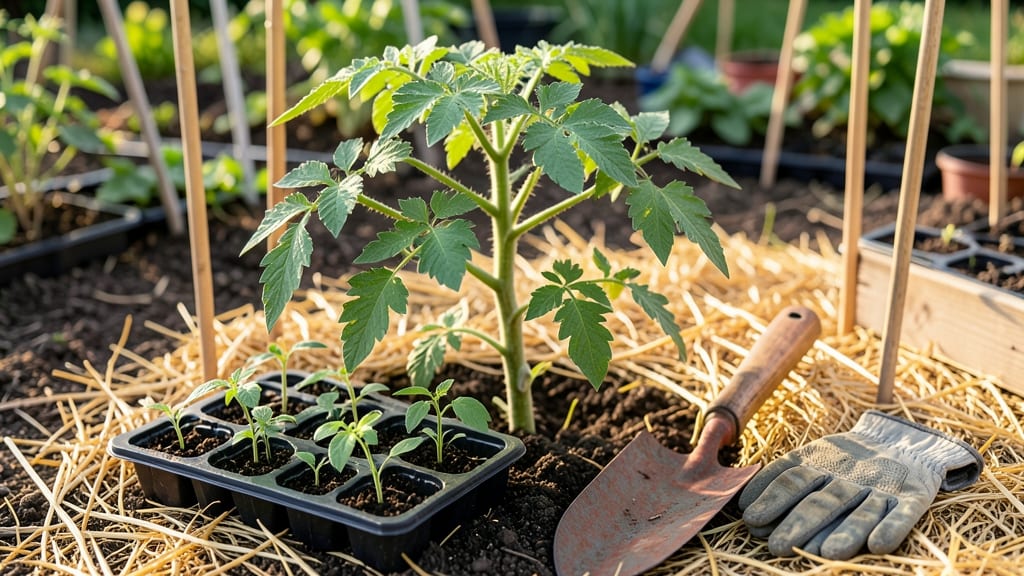
Timing when do you plant tomatoes in Washington State isn’t just about checking a calendar—it’s about outsmarting the state’s unpredictable microclimates. Whether you’re in the milder Puget Sound region or the hotter Columbia Basin, getting the start dates wrong could mean lost plants or delayed harvests.
The key? Understanding when the soil warms up and when those late frosts finally fade for good.
I’ve learned the hard way that Washington’s diverse zones—from USDA Zone 7 in the mountains to Zone 9 in the desert—demand different strategies. Start seeds indoors too early, and you’ll have leggy, weak plants by transplant time.
Wait too long, and you’ll miss the sweet spot for a full summer harvest. The solution? A region-specific planting plan that accounts for your local frost-free date and the varieties that thrive where you live.
In this guide, I’ll break down the exact windows for starting seeds indoors, transplanting outdoors, and even container gardening for urban growers. You’ll discover how to adjust for your microclimate, choose the best tomato varieties for your area, and avoid common mistakes that waste time and effort.
Let’s get those tomatoes in the ground at the perfect moment—so you can enjoy homegrown flavor all season.
Ready to stop guessing and start growing? The right timing isn’t just about luck—it’s about knowing your zone, your soil, and your plants. Let’s make sure your 🍅 tomatoes get the head start they need for a bountiful harvest.
Washington State tomato planting zones: when last frost dates vary by region
Washington State spans USDA Hardiness Zones 6 through 9, creating wildly different planting windows for tomatoes. The Puget Sound region (Zone 8) enjoys mild winters, while the Columbia Basin (Zone 7) faces hot summers and earlier frosts.
Even within these zones, microclimates—like urban heat islands or sheltered valleys—can shift your last frost date by weeks. Understanding these variations ensures your tomatoes thrive from seed to harvest.
Your first step is to locate your exact last frost date using the USDA Plant Hardiness Zone Map and NOAA frost maps. For example, Seattle’s average last frost is April 15, but Spokane’s is May 10.
These dates dictate when to plant transplants outdoors—typically 2-3 weeks after—or when to start seeds indoors (6-8 weeks before). Ignoring these timelines risks frost damage or stunted growth.
Here’s how Washington’s regions break down for tomato planting:
| Region | USDA Zone | Avg. Last Frost | Transplant Outdoors | Start Seeds Indoors |
|---|---|---|---|---|
| Puget Sound (West) | 8a-8b | April 15 | May 1-15 | March 1-15 |
| Eastern WA (East) | 6b-7a | May 10-20 | May 25-June 5 | April 1-15 |
| Columbia Basin (South) | 7b-8a | April 25-May 5 | May 15-30 | March 15-April 1 |
For cool-season varieties like ‘Mountain Merit’ or ‘Stupice’, plant transplants as early as possible—even if soil is cool. These tomatoes tolerate 50°F+ temperatures and thrive in Washington’s shorter summers.
In contrast, heat-loving varieties such as ‘Solar Fire’ or ‘Arkansas Traveler’ should wait until soil reaches 60°F+ to avoid blossom drop.
Use a soil thermometer to confirm readiness—especially in Eastern WA, where cold nights linger. If your local frost date is uncertain, check NOAA’s Climate Data or ask your local CoCoRaHS station for hyper-local insights.
For example, Wenatchee’s last frost can vary by 10 days from nearby Leavenworth due to elevation differences.
Pro tip: Extend your season with row covers or cold frames. In Zone 6b (e.g., Spokane), these tools let you plant transplants 2 weeks earlier and harvest 2 weeks later.
Pair this with dwarf varieties like ‘Tiny Tim’ for container gardens in urban areas where space is limited.
Monitor weather forecasts closely in late April and May—this is when late frosts strike hardest. If a frost warning appears, cover plants with lightweight row fabric or old bedsheets secured with bricks.
In Zone 8b (e.g., Seattle), you can even plant a second crop in July for a fall harvest, using quick-maturing varieties like ‘Early Girl’.
Remember, Washington’s first frost dates also vary dramatically: Puget Sound sees frost by October 15, while Eastern WA can have frost as early as September 20.
Plan accordingly to maximize your harvest window. With the right timing, you’ll enjoy homegrown tomatoes from June through October—no matter where you garden in the Evergreen State.
🌱
Best tomato varieties for Washington’s unique climate and their ideal planting timing
Washington’s diverse climate demands tomato varieties that can handle everything from coastal chill to inland heat. The right variety paired with precise planting timing ensures a bountiful harvest.
For the Puget Sound region, cooler nights favor early-maturing types, while the Columbia Basin thrives with heat-tolerant varieties. Let’s explore the best options and their ideal timing.
When selecting varieties, consider days to maturity and cold tolerance. Mountain Merit is a top pick for Zone 6-7 (e.g., North Cascades), maturing in 65-70 days and handling light frosts.
Meanwhile, Celebrity shines in Zone 8-9 (e.g., Yakima Valley), maturing in 70-75 days and tolerating high heat. For containers, Sungold delivers sweet, cherry tomatoes in 60 days.
Planting Tomatoes in Washington: Early vs. Late Strategies
- ✅ Longer growing season for cooler zones
- ✅ Better yield in Puget Sound
- ❌ Frost risk if too early
- ❌ Slower growth in cold soil
- ✅ Warmer soil speeds germination
- ✅ Lower frost risk in most areas
- ❌ Shorter harvest window
- ❌ Heat stress for tender varieties
Pro Tip: Use row covers to extend early planting by 2-3 weeks or greenhouses for a 4-week head start.
For early planting (March-April), start seeds indoors 6-8 weeks before your last frost date. Transplant seedlings outdoors only after soil reaches 55°F and nighttime temps stay above 45°F.
In Zone 7 (e.g., Wenatchee), aim for April 15-May 1 for determinate varieties like Roma, which mature faster in cooler conditions.
In heat-prone zones (Zone 8-9), opt for late planting (May-June) to avoid blossom drop from extreme heat. HeatMaster and Solar Fire are excellent choices, maturing in 75-80 days and thriving in 90°F+ temps.
For urban gardeners, Balcony Red (60 days) grows well in 5-gallon containers with afternoon shade.
Extend your season with seasonal extensions. Use floating row covers to protect seedlings from late frosts (common in April) and remove them once flowers appear. For fall harvests, plant cold-hardy varieties like Stupice (70 days) in early August and use low tunnels to trap heat.
Remember, soil prep is key. Amend beds with compost and aged manure to improve drainage, especially in clay-heavy soils common in Eastern WA. Mulch with straw to retain moisture and regulate soil temperature—critical for consistent fruiting.