
Plants
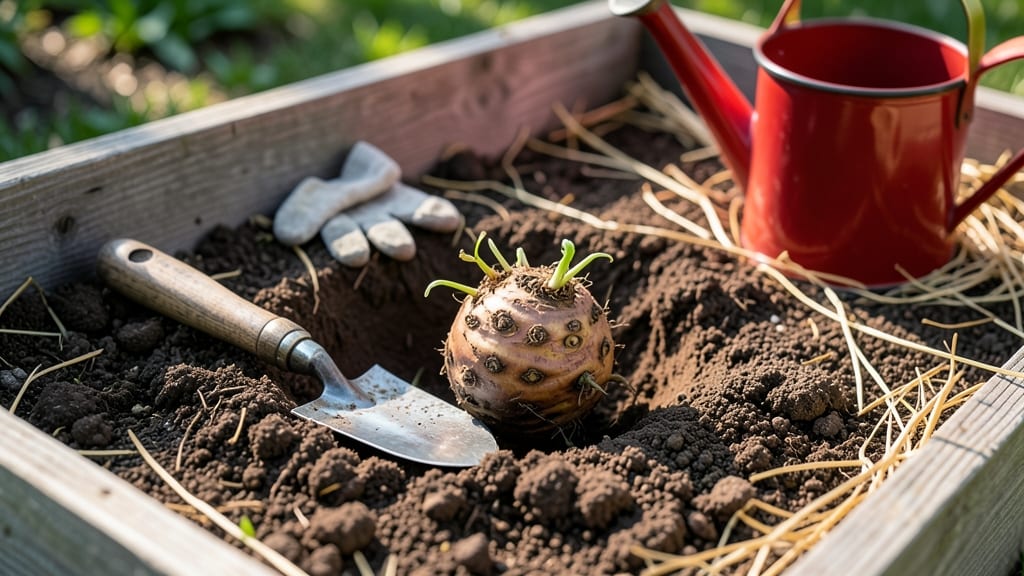
Planting dahlias at the wrong time in South Africa can mean watching your vibrant 🌸 dreams wilt before they even bloom. The coastal zones like Cape Town and the inland regions of Johannesburg have completely different timing needs—getting this wrong could leave you with frost-nipped tubers or stunted growth.
If you've ever wondered why some gardeners get lush dahlias while others struggle, the answer lies in understanding your local climate. Coastal areas with milder winters can start planting as early as August, while inland zones should wait until September when frost risk truly passes.
The difference between these two timelines can mean the difference between a stunning summer display and a disappointing flop.
I've spent years perfecting the timing in both regions, and what I'm about to share will help you avoid common mistakes.
Whether you're planting tubers or seedlings, we'll cover exactly when to put them in the ground, how to prepare your soil, and how to extend your dahlias' blooming season—because the right timing isn't just about when you plant, it's about how long your flowers will last.
Ready to transform your garden? Let's dive into the secrets that will have your dahlias thriving from November all the way through to May, no matter where you are in South Africa.
Optimal dahlias planting calendar for South Africa’s coastal vs inland regions
South Africa’s diverse climates create two distinct dahlia planting windows—coastal regions like Cape Town and Durban enjoy milder winters, while inland areas such as Johannesburg and Pretoria face frost risks.
Timing your tuber planting correctly ensures vibrant blooms, not wilted disappointment. Let’s break down the month-by-month strategy for both zones.
For coastal gardens, the ideal planting window starts in late July when soil temperatures consistently stay above 15°C (59°F). Inland gardeners should wait until mid-August after the last frost risk (typically June 30) has passed.
These differences highlight why soil warmth and frost sensitivity are critical factors.
Here’s the month-by-month breakdown for both regions, including temperature thresholds and key actions to ensure your dahlias thrive:
In coastal regions, the longer frost-free period allows for earlier planting, but soil temperature remains the limiting factor. Use a soil thermometer to confirm 15°C (59°F) before planting. Inland areas must wait until mid-August to avoid frost damage, which can blacken tubers overnight.
For container-grown dahlias, adjust timing by 2-3 weeks earlier in coastal zones since pots warm faster. Inland gardeners should use black plastic mulch to raise soil temperatures 2-3°C faster, creating a microclimate for tubers. This trick helps extend the inland planting window by up to 10 days.
Remember: Dahlias hate cold soil. If you plant too early, tubers rot before sprouting. Test soil warmth by pressing your hand into the ground—if it feels cool to the touch, wait another week. Patience now means vibrant blooms later.
Pro tip: Chit your tubers (place them in a bright, 15-20°C (59-68°F) spot with the eyes facing up) 4-6 weeks before planting. This jumpstarts growth and gives you a 2-week head start on the season.
Coastal gardeners can start chitting in late June, while inland gardeners should begin in early July.
Once planted, coastal dahlias benefit from afternoon shade during summer to prevent heat stress, while inland varieties thrive with morning sun and evening shade to conserve moisture. Both regions should mulch heavily to maintain consistent soil temperatures and reduce watering needs.
By following this region-specific calendar, your dahlias will burst into colorful blooms from November to May, turning your garden into a showstopper. The secret? Timing—not just for planting, but for soil prep, watering, and seasonal adjustments.
Start early, stay consistent, and watch your dahlias thrive.
🌸
5 Signs your dahlias are ready to plant (and 3 mistakes to avoid)
Planting dahlias at the right time in South Africa ensures vibrant blooms, not sad, stunted stems. Coastal regions like Cape Town have a longer growing window, while inland areas like Johannesburg need earlier starts to avoid frost.
The key? Watching for these 5 tuber readiness signs and avoiding 3 common planting mistakes that ruin your dahlias before they even bloom.
First, check your soil temperature—dahlias need soil that's warmed to at least 15°C (59°F). Use a soil thermometer or press your finger into the ground; if it feels warm enough to hold a bare hand for 5 seconds, it's ready.
Coastal areas often hit this mark by early August, while inland regions may need to wait until mid-to-late September after frost risk passes.
- Sprouts 1-2 inches tall: Healthy green shoots indicate tubers are breaking dormancy. Avoid planting if sprouts are yellow or mushy—this signals rot.
- Firm, not shriveled: Press a tuber gently; it should feel dense and plump. Shriveled tubers need 24 hours in water to rehydrate before planting.
- No frost warnings: Check your local frost forecast. Coastal areas (e.g., Durban) rarely see frost, but inland (Johannesburg) may need row covers if nights dip below 5°C (41°F).
- Well-draining soil: Dahlias hate soggy roots. Amend clay soil with compost or sand to prevent rot. Test by digging a hole—water should drain within 1 hour.
- Sunny planting spot: Choose a location with 6+ hours of sun. Coastal gardens may need afternoon shade to prevent leaf scorch during summer heatwaves.
Now, let’s talk mistakes. Planting too early in frost-prone inland areas can kill your tubers overnight. I once lost a batch of ‘Café au Lait’ dahlias because I planted in July—a 5°C (41°F) night turned their sprouts to mush.
Conversely, planting too late (after mid-September) gives dahlias less time to establish roots before South Africa’s intense summer heat arrives.
Another pitfall? Ignoring tuber size. Small tubers (under 2 inches) take longer to bloom. If you’re using saved tubers, cut them into sections with at least 1 eye per piece and let them scar over for 2 days before planting.
Coastal gardeners can plant slightly earlier, but inland growers should wait until all risk of frost is gone—even a light freeze can set your progress back weeks.
For coastal humidity (e.g., Durban), prioritize airflow by spacing plants 18-24 inches apart to prevent fungal diseases like powdery mildew. Inland areas with dry heat (e.g., Pretoria) need deep watering 2-3 times per week once planted.
Mulch with straw or wood chips to retain moisture and regulate soil temperature—this is non-negotiable in both climates.
Remember: Dahlias are summer babies. In South Africa, they thrive from November to May, so timing is everything. By mastering these 5 signs and avoiding the 3 mistakes, you’ll enjoy bold blooms all season long—whether you’re in the coastal breeze or inland sun.