
Trees
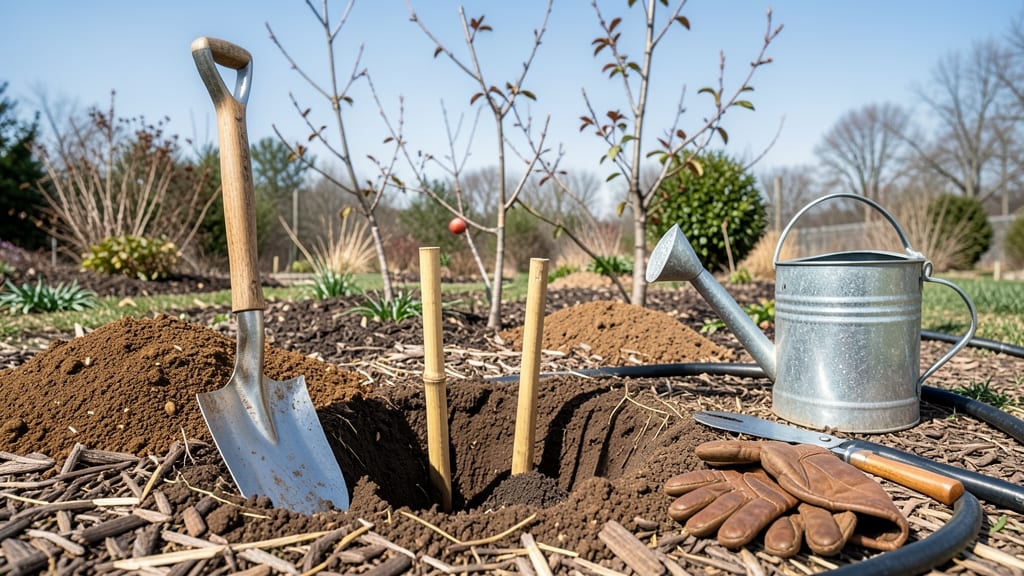
Planting your fruit trees at the wrong time in Virginia could mean waiting years for that first 🍎 harvest—or worse, watching them struggle in your backyard.
The state’s mix of zones 6a-8a and chill-hour needs makes timing everything, and getting it wrong can leave your trees vulnerable to frost, disease, or poor growth.
I’ve seen firsthand how a late winter planting (February-April) gives fruit trees the best start, while fall (October-November) works too—if you pick the right species for your zone. But here’s the catch: some varieties, like peaches, need 200-500 chill hours, while apples demand 600-1,000 hours.
Plant at the wrong time, and you might end up with a tree that blooms too early or never fruits at all.
Don’t worry—this guide breaks down exactly when to plant in Tidewater, Piedmont, and Mountain regions, so you can match your fruit tree to Virginia’s climate like a pro. We’ll cover soil prep, rootstock types, and even how to spot frost pockets in your yard. Ready to get growing?
By the end, you’ll know not just when to plant, but how to set your fruit trees up for success—so you can enjoy homegrown apples, peaches, and more in just a few years. Let’s get started.
Virginia planting zones and chill-hour requirements for fruit trees
Virginia’s diverse climate—spanning USDA zones 5a through 8a—creates unique challenges for fruit tree growers. The key to success lies in understanding chill-hour requirements, which dictate when and where specific fruit trees thrive. For example, apples need 600-1,000 chill hours, while peaches thrive with just 200-500 hours.
Planting at the wrong time or in the wrong zone can lead to poor fruit set or even tree death.
In Zone 5a (Mountains), colder winters mean you can grow hardy varieties like tart cherries and apples, while Zone 8a (Tidewater) allows for figs, persimmons, and low-chill peaches.
The Piedmont region (Zones 6b-7a) offers the broadest options, including pears, plums, and nectarines. Matching your tree to your zone ensures stronger roots and better fruit production.
Chill hours are the number of hours below 45°F (7°C) a tree experiences during winter dormancy. This triggers blooming in spring. For instance, a peach tree in Zone 7b may struggle if it doesn’t get enough cold exposure, while a fig tree in Zone 8a might not set fruit if winters are too harsh. Always check the chill-hour range on the tree tag before buying.
Here’s how Virginia’s zones break down for common fruit trees, including their optimal planting windows and chill-hour needs:
| Fruit Tree | USDA Zone | Chill Hours | Best Planting Time | Notes |
|---|---|---|---|---|
| Apple | 5a-8a | 600-1,000 | Late winter (Feb-Mar) or fall (Oct-Nov) | Needs well-draining soil; prune annually. |
| Peach | 6a-8a | 200-500 | Early spring (Mar-Apr) or fall | Susceptible to peach leaf curl; spray copper fungicide. |
| Pear | 5a-7a | 300-800 | Late winter (Feb-Mar) | Dwarf varieties ideal for small spaces. |
| Cherry (Sweet) | 6a-8a | 400-800 | Late winter (Feb-Mar) | Plant in full sun; thin fruit for size. |
| Fig | 7b-8a | 0-200 | Spring (Mar-Apr) after frost | Heat-loving; protect from winter winds. |
| Persimmon | 6a-8a | 100-500 | Fall (Oct-Nov) or spring | Drought-tolerant once established. |
For Zone 5a gardeners in the Mountains, focus on high-chill varieties like McIntosh apples or Montmorency cherries. These trees handle Virginia’s coldest winters and still produce reliably.
In contrast, Zone 8a gardeners in Tidewater should opt for low-chill options like Elberta peaches or Celeste figs, which won’t struggle with milder winters.
When planting, always consider your local microclimate. A frost pocket in your yard might delay spring planting by weeks, while a south-facing slope could warm up earlier. Bare-root trees should go into the ground <
Best planting months by Virginia region and fruit tree type
Virginia’s three distinct regions—Tidewater, Piedmont, and Mountain—each have unique planting windows for fruit trees. The last frost dates and chill-hour needs vary dramatically, so timing is everything. For example, bare-root apple trees thrive when planted in late winter (February-March), while container-grown peaches can go in until early spring (April).
In Tidewater (Zone 7b-8a), warm winters mean citrus and figs can be planted year-round, but stone fruits like peaches still need late winter dormancy for best root establishment. Meanwhile, Mountain regions (Zone 5a-6a) demand earlier planting—October to November—to avoid early spring frosts that can damage young trees.
🌱
For container-grown trees, the window extends slightly later—until April—since their roots aren’t as sensitive to soil temperatures. However, bare-root trees must go in while dormant, typically between November and March, to minimize transplant shock.
In Zone 7a and below, aim for October planting to let roots establish before winter.
🌿
One critical exception is citrus trees, which thrive in Virginia’s warmer coastal zones (7b-8a). These can be planted year-round, but spring (March-April) is ideal to avoid summer heat stress.
Meanwhile, persimmons and pomegranates prefer fall planting (October) in Piedmont regions to leverage cooler temperatures for root growth.
✂️