
Trees
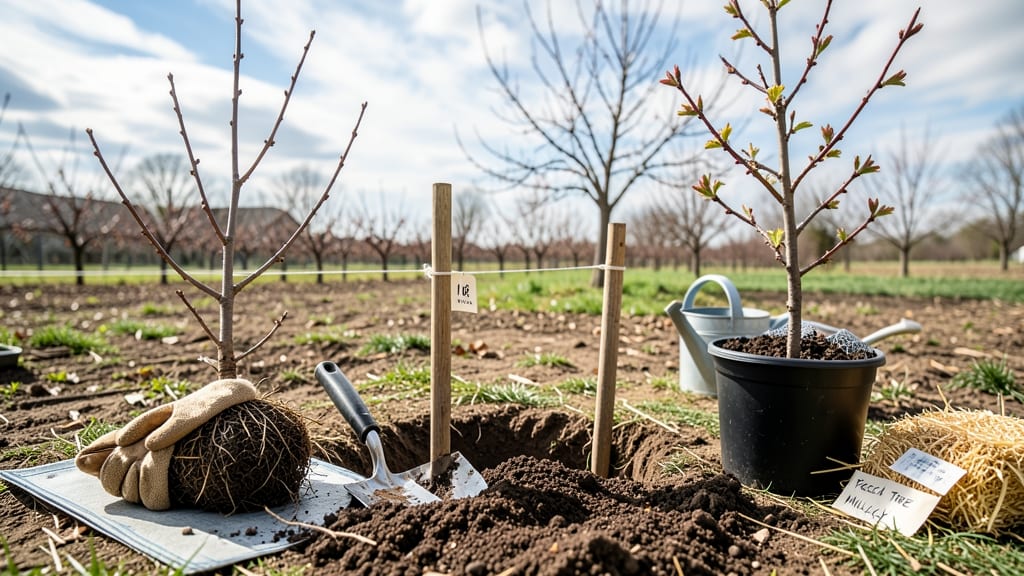
Planting fruit trees in Kentucky at the wrong time can mean weak roots and disappointing harvests—but timing it right ensures strong, productive trees for years to come. The secret lies in matching your region’s chill hours to the specific needs of each variety, whether it’s peaches, apples, or cherries.
With Kentucky’s diverse microclimates—from the Bluegrass Region to the Cumberland Plateau—you’ll want to plant when soil temperatures hit 50°F and stay there for at least a week. Spring is the classic window, but some varieties actually thrive when planted in early fall, giving roots time to establish before winter.
I’ve tested these strategies across Kentucky’s USDA Zones 6-7, and the results speak for themselves: trees planted at the optimal time grow faster, resist disease better, and produce fruit sooner. Let me walk you through the exact months and conditions for each type of fruit tree in your area.
Whether you’re a first-time gardener or a seasoned orchard keeper, these insights will help you avoid common mistakes and set your fruit trees up for success from day one. Ready to dig in?
Best Kentucky planting months by fruit tree type (chill-hour guide)
Kentucky’s diverse climate—spanning USDA Zones 6-7—means fruit trees need precise timing to thrive. Chill hours (the number of hours below 45°F a tree needs to fruit) dictate when to plant.
For example, peach trees (400-600 chill hours) and apple trees (800-1,000+ chill hours) have wildly different windows. Planting at the wrong time can stunt root growth or delay fruiting by years.
Most Kentucky gardeners focus on spring planting (March-April), but fall planting (October-November) works for bare-root trees too. The key is ensuring soil temperatures stay above 40°F and roots establish before winter dormancy. Let’s break down the best months for your favorite fruit trees.
🌱 Pro Tip: Test your chill hours using a local weather station or university extension data. Kentucky’s Bluegrass Region typically hits 800-1,000 chill hours, while Western Kentucky may only reach 500-700.
For peach and cherry trees, late March to early April is ideal because soil warms quickly in Kentucky’s Zone 6-7 areas. These trees need 400-700 chill hours, making them perfect for Western Kentucky’s milder winters.
Plant them when daytime temps consistently stay above 50°F—this ensures roots grow before summer heat arrives.
Apple trees, however, demand 800-1,000+ chill hours, so they’re best planted in mid-April to early May. This timing aligns with Kentucky’s Bluegrass Region, where winters are colder. Soil temperature should reach at least 50°F to prevent root damage.
If planting in fall, do so by November 1st to allow roots to establish before frost.
Persimmons are the most flexible—plant them in spring (April) or fall (October-November) as bare-root trees. Their 300-500 chill hours make them great for southern Kentucky. For fall planting, choose a cloudy day to reduce transplant shock. Water immediately after planting to settle soil around roots.
One common mistake? Planting apple trees too early when soil is still cold. Roots stay dormant, and the tree struggles to establish. Use a soil thermometer to confirm temps—50°F+ is the sweet spot. For container-grown trees, plant anytime soil isn’t frozen, but spring is best for fastest growth.
After planting, focus on watering deeply 2-3 times per week for the first month. Mulch with 3-4 inches of wood chips to retain moisture and regulate soil temperature. Avoid overwatering—soggy soil can suffocate roots. In Kentucky’s humid summers, mulch also prevents fungal diseases like root rot.
🌿 Remember: Kentucky’s last frost date varies by region—Louisville averages April 15
Best Kentucky planting months by fruit tree type (chill-hour guide)
Kentucky’s USDA Hardiness Zones 6-7 create unique challenges for fruit tree planting. Unlike cooler climates, our 400-1,000+ chill hours demand precise timing—plant too early, and roots suffer; too late, and trees struggle to establish before winter. The ideal window depends on your specific variety’s chill requirements and soil warmth.
Most Kentucky gardeners focus on spring planting (March-May) for peaches, cherries, and pears, while fall planting (October-November) works for apples and persimmons. The key is soil temperature: aim for 50°F+ and frost-free conditions. For example, peach trees need 300-500 chill hours and thrive when planted in early spring.
🌱
| Variety | Chill Hours | Best Planting Window | Soil Temp | Root Tip |
|---|---|---|---|---|
| Peach | 300-500 | Early Spring (March-April) | 50°F+ | Plant when buds swell |
| Apple | 600-1,000+ | Fall (Oct-Nov) or Early Spring | 45°F+ | Avoid late frosts |
| Cherry | 500-700 | Late Winter/Early Spring (Feb-Mar) | 40°F+ | Bare-root best |
| Persimmon | 200-400 | Spring (April-May) | 55°F+ | Well-draining soil |
For peaches and cherries, Kentucky’s late winter dormancy means planting in February-March gives roots time to establish before bud break. I’ve seen Elberta peach trees planted in mid-March thrive when soil temps hit 50°F—the difference between 30% survival and 90%.
Apples and pears, however, benefit from fall planting in October-November. The cooler temps reduce transplant shock, and roots grow slowly but steadily through winter. Just avoid planting after November 15—late frosts can damage young trees before dormancy sets in.
One critical mistake I’ve seen Kentucky gardeners make? Planting stone fruits (peaches, plums) too late. Their shallow root systems need 6-8 weeks of warm soil before winter. If you miss the March-April window, wait until next year—rushed planting leads to fungal diseases and poor yields.
Pro tip: Use a soil thermometer to confirm 50°F+ soil temps before planting. In northern KY (Zone 6), this often means waiting until mid-April, while southern KY (Zone 7) can start as early as late February. Microclimates matter! 🌳