
Trees
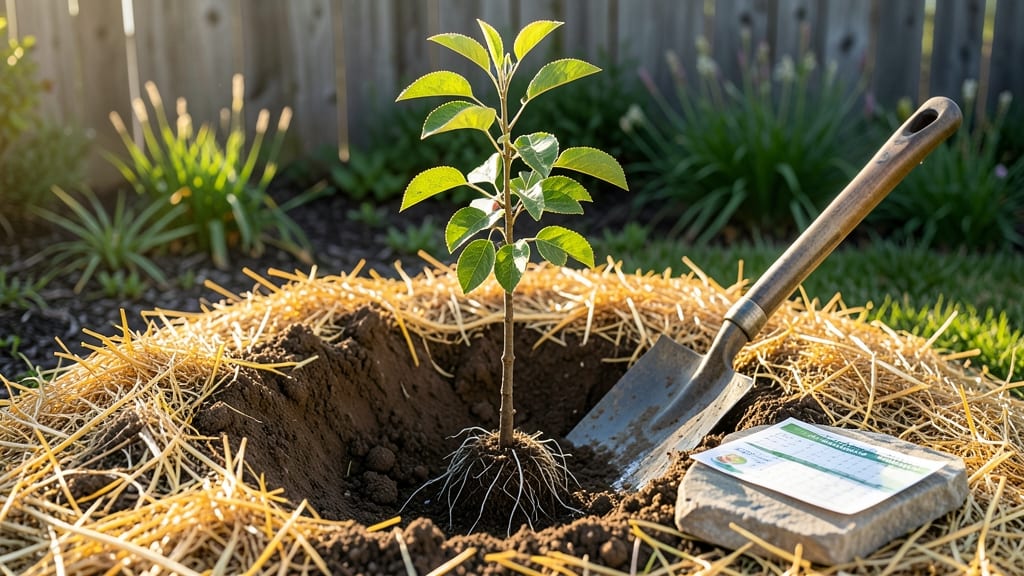
Planting an 🍎 Apple Tree in Iowa isn't just about grabbing a sapling—it's about catching the perfect window between frost and warmth to give your tree the strongest start. Skip the guesswork, and you could end up with a weak root system or even lost trees when late frosts strike.
Iowa’s 5a-6b zones have two ideal planting seasons: early spring (March-April) when the soil thaws but before buds swell, or fall (September-October) when temperatures cool but before the ground freezes.
Timing matters because a tree planted too early faces frost stress, while planting too late risks winter damage before roots establish.
What you’ll discover here are the exact frost-free windows for your zone, plus variety-specific tips (like when to plant Honeycrisp vs. Jonathan) to match Iowa’s short growing season. We’ll also cover soil prep, frost protection, and how to extend your planting window if Mother Nature throws you a curveball.
Whether you’re dreaming of a backyard orchard or just one 🍎 Apple Tree for fresh cider, getting the timing right means fewer headaches and more harvests for years to come. Let’s break down the science so you can plant with confidence.
Best planting months in Iowa by hardiness zone (5a-6b)
Iowa’s USDA hardiness zones 5a-6b create a unique challenge for apple tree growers. The average last frost date ranges from April 1-15 in northern Iowa (5a) to April 15-30 in southern zones (6b), while first frosts arrive as early as October 1.
Planting at the wrong time risks frost damage to tender roots or stunted growth from summer heat stress.
For bare-root apple trees, I recommend two ideal windows: early spring (March-April) when soil thaws but before buds swell, or fall (September-October) after leaves drop but before ground freezes. Container-grown trees offer more flexibility, allowing planting even in May or August with proper care.
The key is understanding your local frost-free window. In Iowa’s zone 5a (northwest), you’ll have about 140 frost-free days, while zone 6b (southeast) enjoys 170 days. Use the Iowa State University Extension’s frost date maps or check with your local Cooperative Extension office for precise timing.
Here’s my summary table breaking down ideal planting months by zone, including soil temperature targets and frost risk factors:
Spring planting gives roots 6-8 weeks to establish before summer heat, while fall planting lets trees focus on root growth without competing with fruit production. I’ve found that fall-planted trees often outperform spring-planted ones in Iowa’s zone 5a because they avoid our drought-prone summers.
To calculate your exact last frost date, add 15 days to your average first frost date (e.g., if frost typically hits October 15, your last frost is around April 30).
For container-grown trees, you can plant up to May 15 in zone 6b, but protect young trees with tree wraps if nights dip below 40°F.
One critical mistake I see is planting too early in zone 5a. Soil temperatures below 45°F can cause root rot. Always check soil temp with a soil thermometer—wait until it consistently stays above 50°F for 24 hours before planting.
In zone 6b, you’ve got more flexibility, but avoid planting after October 15 to allow roots to harden off before winter.
For bare-root trees, soak roots in water for 1-2 hours before planting to rehydrate them. In Iowa’s clay-heavy soils, amend planting holes with compost and sand to improve drainage.
After planting, water deeply to eliminate air pockets and apply 2-3 inches of mulch to retain moisture and regulate soil temperature.
Remember that microclimates play a huge role in Iowa. Trees planted near south-facing walls or in sheltered valleys may experience 2-3 weeks earlier frost-free conditions. Use these spots to extend your planting window for heat-sensitive varieties like Honeycrisp or Fuji.
🍎
Top apple tree varieties for Iowa and their perfect planting times
Iowa’s short growing season demands careful variety selection and precise planting timing. The Honeycrisp and Fuji varieties thrive in Iowa’s climate, but their ideal planting windows differ based on bloom times and cold hardiness.
For best results, align your planting schedule with each variety’s specific needs to avoid frost damage during flowering.
Spring planting (March–April) is ideal for most varieties, while fall planting (September–October) offers a second window. Early-season varieties like Jonathan need early spring planting to mature fruit before Iowa’s first frost, while late-season varieties like Gala can handle slightly later transplanting. Let’s break down the best options for your orchard.
| Variety | Cold Hardiness | Bloom Time | Best Planting Window | Fruit Maturity |
|---|---|---|---|---|
| Honeycrisp | Zones 3-5 | Mid-May | Early spring (March) | Late August |
| Fuji | Zones 4-7 | Late May | Fall (September) | Mid-October |
| Jonathan | Zones 4-8 | Early May | Early spring (March) | Early September |
| Gala | Zones 4-7 | Mid-May | Fall (September) | Late August |
| Red Delicious | Zones 5-8 | Late April | Early spring (March) | Mid-September |
For Honeycrisp and Jonathan, early spring planting (March) is critical—their early bloom times require established roots to support fruit development. These varieties also benefit from dwarf rootstock to ensure they mature quickly in Iowa’s short season. Plant them in well-draining soil with a southern exposure to maximize sunlight.
If you prefer late-season varieties like Fuji or Gala, fall planting (September) works best. These trees establish roots before winter dormancy, giving them a head start in spring. Just ensure the soil isn’t frozen—aim for 60°F soil temperatures or warmer for optimal root growth.
Iowa’s USDA zones 5a-6b mean frost risk lingers into May, so avoid planting varieties like McIntosh (which blooms early) unless you’re prepared to protect blossoms with frost cloth. For urban gardeners, dwarf varieties like Liberty are perfect—they mature faster and fit smaller spaces while still thriving in Iowa’s climate.
Pro tip: Pair early-blooming varieties with late-blooming ones to extend your harvest window. For example, plant Jonathan (early) alongside Fuji (late) to enjoy apples from September through October. Just remember: well-draining soil and full sun are non-negotiable for any apple tree in Iowa. 🍎