
Trees
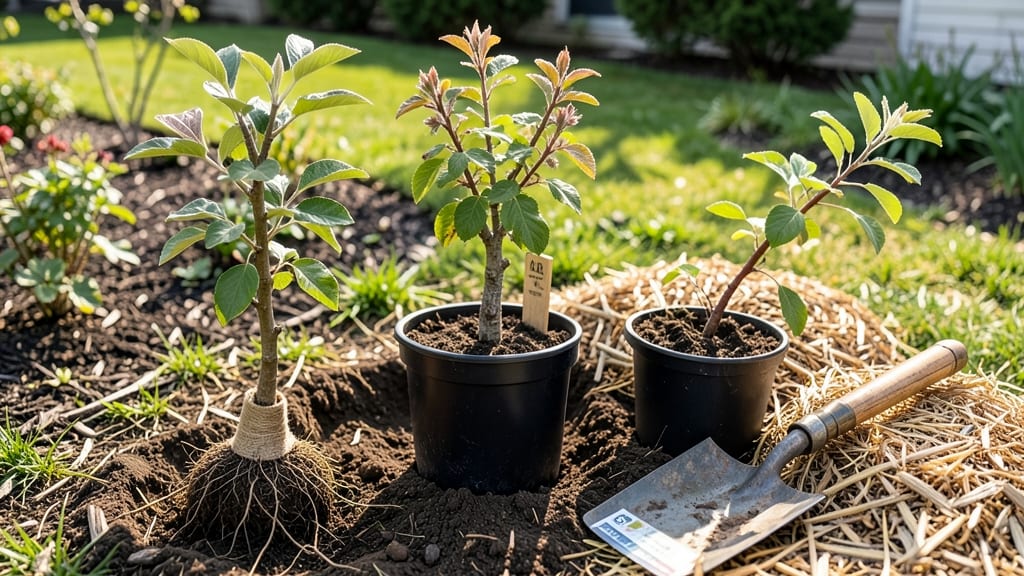
Timing your fruit tree planting in British Columbia can make or break your orchard dreams—especially when coastal Vancouver’s mild winters clash with the harsh frosts of the Interior.
Whether you’re dreaming of juicy 🍎 apples or sweet cherries, getting the months right means healthier roots and bigger harvests down the road.
Most gardeners in BC’s 6b-9a zones know the classic advice: plant in early spring or fall. But here’s the catch—coastal areas like Victoria can handle fall planting until November, while inland regions near Kamloops should wrap up by October to avoid early frosts.
I’ll break down the exact windows for your specific zone so you don’t waste time (or money) on the wrong schedule.
You might think bare-root trees are only for spring, but fall planting actually gives roots a head start in cooler soil. Container-grown trees? Those are more flexible, but even they need the right conditions.
Let’s dive into the best months for your location—and how to prep your soil for success, whether you’re planting in September or April.
Ready to avoid the 3 biggest mistakes BC gardeners make? From choosing frost-sensitive varieties to skipping soil tests, I’ve got the pro tips to set your fruit trees up for a lifetime of harvests. Let’s get started.
BC fruit tree planting calendar by climate Zone (coastal vs inland)
British Columbia’s climate varies dramatically between coastal and inland regions, making timing critical for fruit tree success. Coastal areas like Vancouver Island and the Lower Mainland enjoy milder winters with later frosts, while inland zones—such as the Okanagan Valley and Kootenays—face earlier freezes and hotter summers.
Planting at the wrong time can stunt growth or even kill young trees, so understanding these differences is key to a productive orchard.
For coastal BC, where frost-free dates typically range from March 15 to April 15, fruit trees like apples and pears thrive when planted in late fall (October) or early spring (March-April).
In contrast, inland BC—with frost dates as early as October 1—demands earlier fall planting (September) or spring planting by mid-April to avoid winter damage. Let’s break down the ideal planting windows for your region.
Soil temperature is another critical factor. Most fruit trees need soil temps above 40°F (4°C) to establish roots before dormancy. Coastal areas often hit this threshold by mid-March, while inland zones may wait until late April. Bare-root trees, in particular, benefit from cooler soil, making fall planting ideal in both regions—just at different times.
Here’s a quick comparison to guide your planting schedule based on your BC climate zone:
Notice how coastal zones have a longer fall planting window thanks to milder winters, while inland areas must act faster to avoid early frosts.
For example, sweet cherries in the Okanagan need spring planting by May 1, whereas coastal gardeners can plant them as late as April 15 without risk.
This flexibility is why I always recommend checking your local last frost date—tools like the BC Ministry of Agriculture’s frost maps are invaluable.
Another key difference is soil drainage. Coastal regions often deal with heavy clay soils, which can suffocate roots if not amended with compost or sand. Inland areas, especially in the Thompson-Okanagan, may face drought stress in summer, requiring deeper watering schedules.
Always test your soil’s drainage by digging a hole and filling it with water—if it drains in 2 hours, you’re good; if it pools, amend it before planting.
For bare-root trees, fall planting is ideal because the cool soil encourages root growth before dormancy. In coastal BC, this means planting apples and pears between October 15 and November 15, while inland gardeners should aim for September 1 to October 15.
If you miss fall, early spring (March-April for coastal, April-May for inland) is your next best option—just ensure the ground isn’t frozen or waterlogged.
Container-grown trees offer more flexibility but still require timing. In coastal zones, you can plant them as late as April 30, while inland areas must finish by May 15 to avoid heat stress.
These trees establish roots faster, making them a great choice for gardeners who miss the ideal window. Just remember to water deeply after planting and mulch heavily to retain moisture—especially in inland summers.
One mistake I see often is planting stone fruits (like peaches and plums) too late. These varieties are less cold-hardy and need to establish roots before winter. In Zone 5 inland areas, plant them by May 15; coastal gardeners have until
How to choose the perfect planting month for your BC location
British Columbia’s climate zones—from the mild coastal regions of Vancouver Island to the harsher inland valleys near Kelowna—create wildly different planting windows for fruit trees. I’ve planted everything from sweet cherries in the Okanagan to hardy apples on Vancouver’s west side, and the timing makes all the difference.
For example, coastal gardeners can plant bare-root trees until November, while inland zones must finish by October to avoid early frosts.
Your first step is to check your USDA hardiness zone—BC ranges from 5b in the north to 9a in the south.
Zone 6b (common in Vancouver) allows for a longer fall planting window, while Zone 7 (Kamloops) demands earlier action. Sweet cherries, for instance, need chill hours and struggle in Zone 8’s warmer winters, so timing is critical for their success.
Here’s my step-by-step guide to picking the perfect month for your location, tailored to elevation and variety:
🌱 Step 1: Match Your Zone to the Planting Window
- 1 Zone 5-6 (e.g., Prince George, Kamloops): Plant bare-root trees in April-May or September-October.
- 2 Zone 7-8 (e.g., Vancouver, Victoria): Fall planting extends to November; spring planting by March-April.
- 3 Zone 9 (e.g., Kelowna, Osoyoos): Container-grown trees can go in year-round, but avoid June-August heat.
🌿 Step 2: Pick Your Variety’s Ideal Time
- 4 Sweet cherries: Plant bare-root in fall (Sept-Oct) for chill hours; avoid spring in Zone 8.
- 5 Apples (e.g., Honeycrisp): Fall planting (Sept-Oct) works best; spring planting by March.
- 6 Peaches/Plums: Spring planting (April) is safer; fall planting risks late frosts.
Next, consider your elevation. Mountainous areas like the Coast Mountains have cooler microclimates, allowing for later fall planting. Meanwhile, lowland zones near the Fraser Valley may experience earlier frosts, so adjust your timeline accordingly.
For example, I planted a semi-dwarf apple tree in my Zone 7b garden in October, and it thrived because the soil stayed cool enough to avoid root stress.
Pro tip: Container-grown trees give you flexibility—plant them anytime the ground isn’t frozen, but avoid extreme heat (June-August) in Zone 8+. If you’re unsure, bare-root trees in early spring (March-April) are the safest bet for most BC zones.
Just remember: soil temperature matters more than air temperature. Use a soil thermometer to confirm it’s above 10°C (50°F) before planting.
Finally, don’t overlook local frost dates. Check your last frost date (March 15-April 15) and first frost date (October 1-November 15) for your area. Inland zones like the Thompson Valley can see sudden frosts in September, so I always plant peach trees in April to avoid winter damage.
With the right timing, your fruit trees will establish strong roots and reward you with abundant harvests for decades.