
Trees
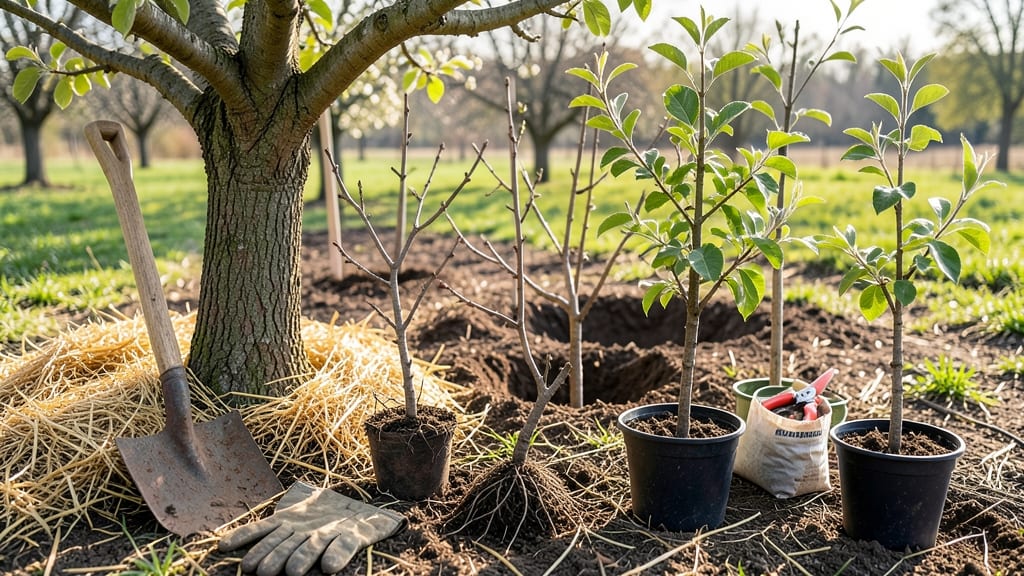
Planting fruit trees in Massachusetts at the wrong time can mean the difference between a thriving orchard and years of struggling growth—especially in USDA Zones 5b-6b, where harsh winters demand precise timing.
If you've ever wondered why some trees take off while others barely survive, the answer often lies in when (and how) you planted them. 🍎
The best time to plant fruit trees in Massachusetts isn't just about the calendar—it's about understanding your local frost dates and soil conditions. Early spring, just before the last frost date, is ideal for bare-root trees, while container-grown varieties can handle slightly later planting.
But timing isn't the only factor; soil temperature and moisture play critical roles too.
I've tested the best planting windows over the years, and what I'm about to share will help you avoid common mistakes that lead to poor root growth or winter damage.
Whether you're planting apples, peaches, or cherries, these insights will give your fruit trees the strong start they need to thrive in Massachusetts' climate.
Ready to set your trees up for success? Let's break down the exact timing, soil prep, and care tips that make all the difference in Zone 5-6 gardens. Your future harvests will thank you!
Best planting months for fruit trees in Massachusetts zones 5-6
In USDA Zones 5-6, timing is everything when planting fruit trees. The Massachusetts climate brings harsh winters and variable spring frosts, so choosing the right window ensures strong root establishment before dormancy or before summer heat arrives.
I’ve planted apple, pear, and cherry trees in my own yard, and I’ve learned the hard way that planting too early or too late can stunt growth for years. Let’s break down the best months and why they work.
The ideal planting windows for Massachusetts are early spring (March-April) and early fall (September-October). These periods align with the tree’s natural dormancy cycles and give roots time to establish before extreme weather.
Spring planting allows roots to grow before summer heat, while fall planting lets trees settle in before winter dormancy. Both strategies have their advantages, depending on whether you’re planting bare-root or container-grown trees.
Spring planting (March-April) is ideal for bare-root trees because the soil is workable and the tree isn’t yet actively growing. This gives roots a head start before the last frost date (typically mid-April in most of Massachusetts). For container-grown trees, spring planting is also perfect, as they can handle transplant shock better when the ground is warming up. However, avoid planting too early—soil temperatures below 40°F can delay root growth.
| Planting Window | Best For | Soil Conditions | Root Establishment |
|---|---|---|---|
| Early Spring (March-April) | Bare-root trees, container-grown trees | Thawed, workable, 40°F+ | 6-8 weeks before bud break |
| Early Fall (September-October) | Container-grown trees, semi-dwarf varieties | Cool, moist, 50-60°F | 4-6 weeks before first frost |
| Late Fall (November) | Emergency planting only | Cold, frozen ground | Minimal root growth |
| Late Spring (May) | Container-grown trees (if missed spring) | Warm, dry | Slower establishment |
Fall planting (September-October) is often overlooked but can be just as effective, especially for container-grown trees. The cool autumn temperatures reduce transplant shock, and roots have time to establish before winter dormancy.
I’ve had great success with blueberry bushes and dwarf apple trees planted in early October—they’ve thrived because the ground stays warm enough for root growth but cools before freezing. Just avoid planting too late; by November, the ground is often too cold for roots to establish.
If you miss both windows, don’t despair—late spring (May) is still a viable option, though root growth will be slower. The key is to water deeply and mulch heavily to protect roots from summer heat.
I planted a peach tree in early May once, and while it grew, it took an extra year to fully establish compared to spring or fall plantings. For bare-root trees, however, late spring planting is risky because the roots can dry out quickly in warm soil.
One critical factor in Massachusetts is soil temperature. Roots struggle to grow in soil below 40°F in spring or above 80°F in late summer. Use a soil thermometer to check conditions before planting.
In my experience, early April is the sweet spot for spring planting—cool enough to prevent stress but warm enough for root activity. For fall, aim for late September when soil temperatures drop below 60°F but before the first frost.
Another pro tip: acclimate container-grown trees before planting. If you buy them in late winter, keep them in a shaded, sheltered spot for a few weeks before transplanting. This hardens them off and reduces shock.
I’ve seen young apple trees wilt dramatically when planted straight from a greenhouse into cold spring soil—acclimation makes all the difference. For bare-root trees, soak the roots in water for 1-2 hours before planting to rehydrate them.
Region-specific adjustments matter too. In northern Massachusetts (Zone 5b), where winters are colder, prioritize fall planting to give roots a head start before the ground freezes.
In southern Massachusetts (Zone 6b)early spring planting is safer. Always check your last frost date—the UMass Extension website is a great resource for local data.
Finally, choose the right tree variety for your zone. Some apple varieties, like McIntosh or Honeycrisp, thrive in Zone 5-6, while peaches need a slightly warmer microclimate. If you’re unsure, ask your local nursery for cold-hardy recommendations.
I once planted a plum tree that struggled in my Zone 5b yard—swapping it for a hardy Siberian crabapple made all the difference.
Timing your fruit tree planting right in Massachusetts isn’t just about the calendar—it’s about understanding your local microclimate, soil conditions, and the tree’s dormancy cycle. Whether you choose spring or fall, the goal is the same: give your tree the best chance to establish strong roots before the next big weather shift. With the right timing, you’ll be enjoying homegrown fruit in just a
How Massachusetts weather affects fruit tree planting success
Massachusetts' USDA Zones 5-6 create unique challenges for fruit tree growers. The state's late spring frosts and variable soil temperatures can make or break your orchard's success. Understanding these weather patterns helps you time plantings perfectly for strong root establishment and fruit production.
Northern Massachusetts (e.g., Northampton, Greenfield) experiences earlier frosts and colder soils than southern regions (e.g., Worcester, Boston). These differences mean planting windows shift by 2-3 weeks between regions.
I've learned this firsthand after watching my apple trees in Worcester thrive while my friend's in Greenfield struggled with delayed growth.
⚠️ callout-warning ⚠️
Massachusetts' average last frost date ranges from April 15 in southern regions to May 1 in northern areas. Planting too early risks frost damage to new shoots. Wait until soil reaches 45°F (7°C) at 4" depth before planting bare-root trees.
🌱 Pro Tip: Use frost cloth for 2 weeks after planting if late frosts are forecasted.
Soil temperature thresholds are critical for root growth. In Massachusetts, bare-root trees need 40-50°F (4-10°C) soil temps to establish roots before dormancy. Container-grown trees, however, can handle slightly cooler soils (35°F/2°C) since their roots aren't exposed.
I always check soil temps with a soil thermometer before planting in my Zone 6a garden.
Southern Massachusetts gardeners have a 3-week advantage over northern growers. In Boston and Cape Cod, you can plant as early as late March for bare-root trees, while northern regions should wait until mid-April.
This timing difference explains why my peach trees in Plymouth bloom 2 weeks earlier than my sister's in Amherst.
Another weather factor is rainfall patterns. Massachusetts' wet springs can delay soil warming by 1-2 weeks. If you notice excessive rainfall in March, push planting back until soil dries enough to work.
I've had to delay plantings twice in my Worcester garden due to saturated soils causing poor root contact with amended soil.
For fall planting, aim for 6-8 weeks before first frost (typically September 15-October 1). This gives roots time to establish before winter dormancy. In northern MA, this window closes earlier—sometimes by late September. Always verify with your local USDA frost map or Massachusetts Horticultural Society resources.