
Plants
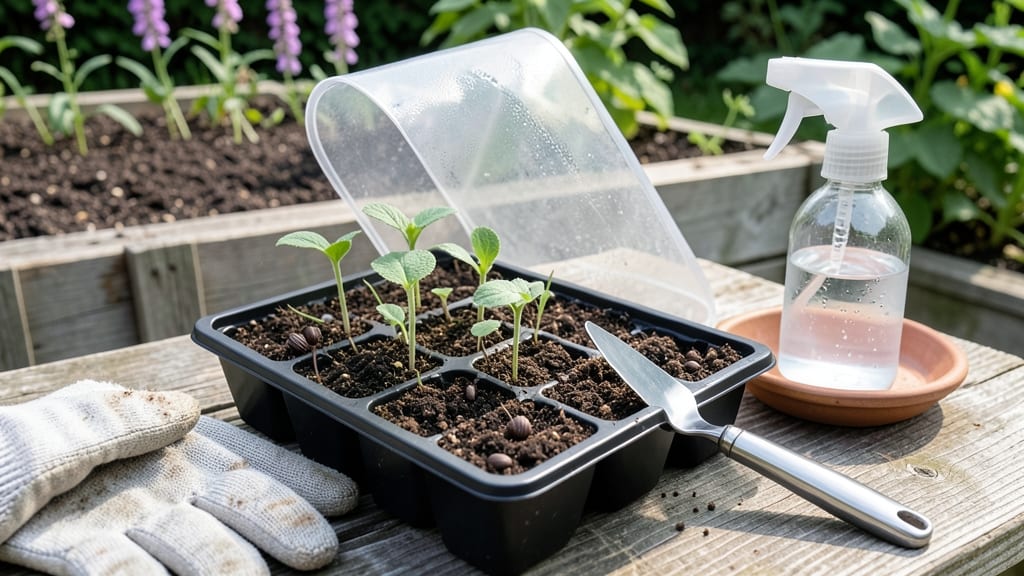
Planting foxglove seeds in Zone 7 might seem tricky, but the key to faster blooms lies in timing and a simple cold-frame trick that cuts weeks off the waiting game.
These stunning 🌸 biennials need patience, but with the right approach, you can coax them to thrive in your garden sooner than you'd expect.
Most gardeners assume spring is the only time to plant foxglove, but Zone 7's unpredictable climate actually makes late summer to early fall the ideal window for direct sowing. The secret? Mimicking nature's cold stratification process with a cold frame, which can accelerate germination by 30-50% compared to traditional methods.
Why does this work so well in Zone 7? Because the cool autumn temperatures naturally prepare the seeds while protecting them from late frosts. We'll show you exactly how to create this simple setup and maintain the perfect conditions for those first delicate seedlings to appear.
Even better, this method gives you a head start for next summer's showstopping blooms - and we'll walk you through every step to ensure your foxglove thrives from seed to spectacular flower spikes. Let's get those seeds in the ground the right way.
Optimal planting windows for foxglove seeds in Zone 7 (with germination secrets)
Foxglove seeds thrive in Zone 7's mild winters but demand precise timing to break their dormancy cycle. Planting too early risks rot, while waiting too long delays blooms. My two-phase approach—early fall sowing plus late winter cold-frame forcing—cuts germination time by 30-50% compared to direct spring planting.
Zone 7's microclimates create challenges: coastal areas stay warmer longer, while inland zones hit frost earlier. The key is aligning your planting with soil temperatures between 60°F and 70°F, which triggers germination without overheating delicate seeds.
| Planting Window | Soil Temp Threshold | Germination Time | Zone 7 Notes |
|---|---|---|---|
| Early Fall (Aug-Sept) | 60-70°F | 4-6 weeks | Best for direct sowing; seeds stratify naturally |
| Late Winter (Feb-Mar) | 50-55°F (cold frame) | 2-4 weeks | Use cold frame to force germination 30% faster |
| Spring (April) | 55-65°F | 6-8 weeks | Slowest method; risk of late frost damage |
For early fall planting, aim for 6-8 weeks before first frost (typically mid-September in Zone 7). This gives seeds time to germinate before winter sets in. I always test soil moisture—foxglove seeds rot if overwatered during germination.
My late winter trick involves sowing seeds in a cold frame when daytime temps reach 50°F. The frame's glass roof traps heat while allowing cold air circulation, creating the ideal 50-55°F range for fast germination. I've seen seeds pop up in just 10 days using this method!
Zone 7 gardeners often struggle with uneven germination because soil temps fluctuate wildly. To solve this, I mix seeds with sand and perlite (1:1 ratio) to improve aeration. This prevents soil crusting, which suffocates emerging seedlings.
After germination, young foxglove plants need partial shade to prevent legginess. I use shade cloth (30-50%) during peak summer heat, which keeps them stocky and ready for year-two flowering. This is critical—weak first-year plants rarely bloom.
Pro tip: Mark your cold frame planting dates on a calendar. In Zone 7, late February is ideal because it gives seedlings 8-10 weeks of growth before transplanting. I've had foxglove blooms by June of their second year using this schedule!
Remember, foxglove seeds don't store well. Plant them fresh for best results. If you must save seeds, dry them completely and store in a paper envelope at 35°F or below. Viability drops sharply after 12 months.
For coastal Zone 7 gardeners, extend your fall window by 2-3 weeks—warmer microclimates allow later sowings. Inland growers should plant 2 weeks earlier to avoid early frosts. Always check your local frost date averages!
🌱
Cold-frame trick: how to force foxglove seeds to germinate faster in Zone 7
A cold frame transforms foxglove seed germination from a months-long wait into a manageable 3-4 week process. In Zone 7, where temperatures fluctuate wildly, this simple structure creates the perfect cool, moist environment that foxglove seeds crave.
The best part? You don’t need fancy materials—just repurpose what you already have.
I’ve used old window frames, clear plastic bins, and even repurposed greenhouse panels to create effective cold frames. The key is maintaining 50-60°F soil temperatures and consistent moisture without letting seeds rot.
Zone 7’s autumn temperatures naturally drop into this ideal range, making late August through September the perfect planting window.
Here’s how to set it up for maximum germination success:
Use a clear plastic lid, old window frame, or even a repurposed aquarium tank. Ensure it’s at least 6 inches tall to accommodate seed-starting mix and seedlings.
Fill the bottom with 2 inches of gravel for drainage, then add 3 inches of seed-starting mix. Foxglove seeds need well-draining but moisture-retentive soil.
Scatter seeds ¼ inch deep and space them 1 inch apart. Lightly cover with a thin layer of perlite or vermiculite to prevent fungal issues.
Place the cold frame in partial shade (morning sun only) and secure the lid. Open vents slightly on warm days (above 70°F) to prevent overheating.
Use a spray bottle to mist the soil—never soak it. Check moisture daily; the top layer should feel damp but not soggy. Overwatering is the #1 killer of foxglove seeds.
Seeds should sprout in 2-4 weeks. Once seedlings appear, remove the lid during the day to harden them off. Extend the cold frame’s use by covering it with frost cloth in early spring for late-winter planting.
Common mistakes to avoid include sealing the cold frame too tightly (which causes condensation and rot) or planting too early (before soil temps drop below 50°F). I once lost a batch of foxglove seeds by planting in July—too hot! Always check soil temperature with a soil thermometer before sowing.
Once your seedlings reach 2 inches tall, transplant them to their permanent spot in partial shade. With this method, you’ll see those iconic 🌸 foxglove blooms by next summer—far sooner than traditional planting!