
Plants
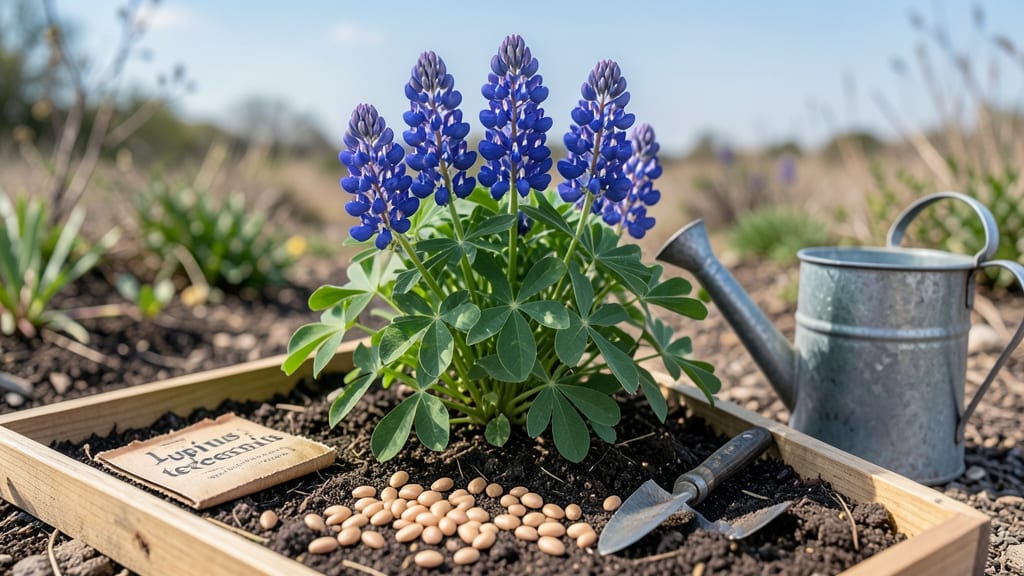
If you’ve ever dreamed of waking up to a sea of blue blanketing Central Texas hillsides, timing is everything—because planting Bluebonnet 🌸 seeds at the wrong moment means skipping that magical spring spectacle entirely.
The secret to vibrant blooms lies in a narrow window: late September through early November, when soil temperatures hover just right for germination. Too early, and summer heat will fry your seeds before they sprout; too late, and winter’s chill might stall their growth.
I’ll break down exactly when to plant for your specific microclimate, plus the soil prep and rainfall tricks that make all the difference.
You don’t need fancy equipment—just a shovel, patience, and the right conditions. Whether you’re a first-time gardener or a seasoned pro, these proven steps will help you avoid common pitfalls like overwatering or planting too deep. Let’s turn your Texas landscape into a postcard-worthy masterpiece.
Ready to transform your yard into a bluebonnet paradise? I’ll walk you through the exact months, climate cues, and even how to adjust for drought years. No guesswork—just guaranteed spring color.
Best months to plant bluebonnet seeds in Central Texas (with climate zones)
If you’ve ever dreamed of waking up to a vibrant blue carpet in your Central Texas yard, timing is everything. Bluebonnets (Lupinus texensis) thrive when planted during their natural fall dormancy window, which aligns perfectly with Central Texas’s cooler, wetter months.
Plant too early, and seeds may rot; too late, and they’ll struggle with winter chill. The sweet spot? Late September through early November, when soil temps hover between 70–80°F and rainfall patterns favor germination.
Central Texas spans USDA Zones 8a–9a, but microclimates create dramatic differences. Hill Country areas like Fredericksburg (Zone 8a) can experience earlier frosts than Austin’s urban heat islands (Zone 8b). Meanwhile, West Texas edges near San Angelo (Zone 8b) often see drier falls, requiring extra irrigation.
Understanding these nuances ensures your bluebonnets don’t just survive—they thrive and rebloom year after year.
| Climate Zone | Ideal Planting Window | Soil Temp (°F) | Rainfall Needs | Key Trigger |
|---|---|---|---|---|
| Fredericksburg (8a) | Late Sept–Early Oct | 70–78°F | 1–2" rainfall post-plant | First 50°F nights |
| Austin (8b) | Mid-Sept–Mid-Nov | 72–80°F | 0.5–1.5" rainfall | Soil dries slightly after rain |
| San Angelo (8b) | Early Oct–Early Nov | 70–75°F | Supplement with drip irrigation | First frost warning |
| College Station (9a) | Late Oct–Early Nov | 68–72°F | Natural rainfall sufficient | Daytime highs below 85°F |
Note: Adjust for drought years—supplement with 0.5" water weekly if rainfall < 0.5".
Why does September kick off the ideal window? Bluebonnet seeds need consistent moisture to germinate but hate soggy soil. September’s warm days and cooler nights create the perfect balance, while October’s increased rainfall (thanks to lingering tropical moisture) helps young roots establish.
By November, soil temperatures drop, slowing germination—but seeds planted by mid-November can still sprout if protected by a light mulch layer.
Pro tip: Stratify seeds for 2–4 weeks before planting if your fall is unusually dry. Place seeds in a moist paper towel inside a sealed bag in the fridge to mimic winter chill.
This tricks seeds into thinking they’ve experienced a natural cold period, boosting germination rates by up to 40% in less-than-ideal conditions.
One common mistake? Planting in August for an "early start." While possible, summer heat (often exceeding 95°F) causes seeds to dormancy-break too early, leading to weak, leggy seedlings.
Instead, prep your soil in August—remove weeds, loosen compacted areas, and add a 1-inch layer of compost—then wait for the perfect September window.
For maximum blooms next spring, aim to plant when daytime highs average 80°F and nights dip to 55–60°F. Use a soil thermometer to confirm temps; bluebonnets won’t germinate well below 65°F.
In drought-prone areas, choose ‘Blue Daze’ or ‘Freckles’ varieties, which tolerate lower rainfall better than standard types.
Don’t overlook microclimate adjustments. If your yard has south-facing slopes, plant 2 weeks earlier—these areas warm up faster. North-facing spots or shaded areas may need extended fall planting (through late November) to compensate for slower soil warming.
Always test your soil’s pH (aim for 6.0–7.0); acidic soils (below 5.5) can stunt germination.
Once planted, lightly rake seeds into the top ¼ inch of soil—no need to bury them deeply. Bluebonnets are self-seeding champions, so they’ll return year after year if given the right start.
For best results, plant in full sun (6+ hours daily) and avoid fertilizing—bluebonnets thrive in poor, rocky soil, just like their wild counterparts.
Remember: Patience is key. Seeds may take 10–14 days to sprout, and full blooms won’t appear until next spring. But with the right timing, your Central Texas landscape will explode with color—turning heads and earning you the title of neighborhood bluebonnet expert
Best months to plant bluebonnet seeds in Central Texas (with climate zones)
Central Texas’s fall temperatures and rainfall patterns create the perfect window for planting bluebonnet seeds. Unlike many plants, bluebonnets thrive when sown in cool weather, avoiding the brutal summer heat.
The ideal planting window spans late September through early November, aligning with soil temperatures between 70–80°F—critical for germination.
This timing ensures seeds germinate before first frost (typically mid-December in USDA Zone 8a) and establish roots over winter.
Miss this window, and you risk seeds drying out in summer heat or sprouting too late for winter survival. Local microclimates can shift this slightly—higher elevations (like Austin’s hills) may need earlier planting, while low-lying areas (like San Antonio) can extend into November.
| Planting Window | Soil Temp (°F) | Rainfall Needs | Key Climate Trigger |
|---|---|---|---|
| Late September | 75–80°F | 0.5–1 inch/month | Daytime temps drop below 90°F |
| October | 65–75°F | 1–2 inches/month | First cool front arrives |
| Early November | 60–70°F | 0.5–1 inch/month | Soil stays above 50°F at night |
If you’re in a drought-prone year, prioritize planting in October when natural rainfall peaks. Use a soil moisture meter to confirm seeds have adequate hydration—bluebonnets despise soggy soil but won’t tolerate dry spells either. For urban gardens, supplement with drip irrigation set to 0.25 inches/week until germination.
Pro tip: Scatter seeds directly on prepared soil (no need to bury them) and lightly rake to ensure seed-to-soil contact. This mimics natural conditions where seeds land on bare ground after wildfires or disturbances.
Avoid planting in August—summer’s heat causes seeds to dry out before germination, even with watering.
For maximum spring blooms, aim to have seeds germinate by mid-October. This gives roots 2–3 months to establish before winter dormancy. In November, only plant if your soil stays above 50°F—colder nights slow germination dramatically. Use a seedling heat mat if early November planting is unavoidable.
Central Texas’s variable rainfall means checking the National Weather Service for 7-day forecasts is key. Plant after a light rain (0.25–0.5 inches) to reduce post-planting watering needs. If frost threatens before germination, cover seeds with row fabric until sprouts appear.
Remember: Patience is critical. Bluebonnets may take 30–60 days to germinate in ideal conditions. Resist the urge to replant—thin seedlings to 6 inches apart once they reach 2 inches tall for optimal airflow and blooms. 🌸