
Plants
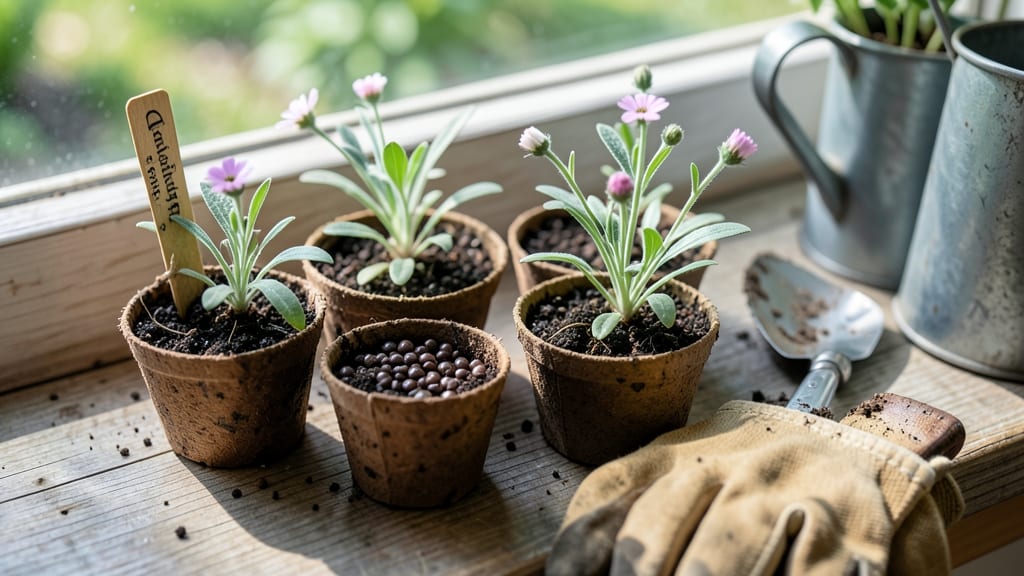
When to plant Dianthus seeds in Australia can make all the difference between a thriving garden and a missed blooming season, especially with the country’s diverse climate. The key to success lies in understanding your local zone—whether you’re in frost-prone highlands or coastal areas where winters stay mild.
Most Australian gardeners plant Dianthus seeds between August and October, when cooler temperatures and increased rainfall create ideal germination conditions. But if you live in tropical regions, the window shifts slightly—learn how to adjust for your specific climate zone to avoid common pitfalls.
In this guide, I’ll break down the best planting times for every Australian region, including soil prep tips and care tricks to ensure your Dianthus thrives year-round. Whether you’re a beginner or a seasoned gardener, these insights will help you time your planting perfectly.
Ready to transform your garden with cheerful Dianthus blooms? Let’s dive into the exact steps that work for Australian conditions—no guesswork required.
Best planting months for dianthus seeds by Australian climate zones
Australia’s diverse climate zones create unique challenges—and opportunities—for growing dianthus. Whether you're in frost-prone temperate areas or tropical coastal regions, timing your dianthus seed planting correctly ensures vibrant blooms. The key?
Understanding your zone’s temperature thresholds and seasonal cues. In cooler zones, aim for spring planting (August–October), while tropical gardeners can extend planting into early autumn (March–April) to avoid summer heat stress.
Dianthus thrives in well-draining soil and full sun, but germination struggles when soil temperatures exceed 25°C (77°F). Coastal areas benefit from winter rain to kickstart growth, while inland regions may need supplemental irrigation during dry spells.
By aligning your planting with local frost-free periods and rainfall patterns, you’ll maximize germination rates and flowering potential.
Let’s break down the ideal planting windows by Australian climate zone, including temperature ranges, seasonal cues, and pro tips to avoid common pitfalls.
| Climate Zone | Best Planting Months | Temperature Range (°C) | Seasonal Cues | Key Considerations |
|---|---|---|---|---|
| Coastal (e.g., Sydney, Brisbane) | August–October (spring) | 15–22°C (59–72°F) | Increasing daylight, winter rains | Avoid waterlogged soil; use raised beds if needed. |
| Temperate (e.g., Melbourne, Adelaide) | July–September (late winter/early spring) | 10–18°C (50–64°F) | Frost-free nights, soil warming | Protect seedlings from late frosts with cloche covers. |
| Subtropical (e.g., Gold Coast, Byron Bay) | March–April (early autumn) or August–September | 18–24°C (64–75°F) or 15–20°C (59–68°F) | Cooler autumn mornings, summer heat avoidance | Use shade cloth in summer to prevent heat stress. |
| Tropical (e.g., Cairns, Darwin) | May–June (winter) or September–October | 20–26°C (68–79°F) | Dry season onset, reduced humidity | Prioritize well-draining soil to prevent fungal issues. |
In coastal zones, like Sydney or Brisbane, focus on spring planting (August–October) when soil temperatures stabilize between 15–22°C (59–72°F). These areas benefit from winter rains, which naturally moisten the soil without risking waterlogging.
If you’re in a microclimate with high humidity, like parts of the Gold Coast, opt for raised beds to improve drainage and reduce fungal risks.
For temperate regions such as Melbourne or Adelaide, shift your focus to late winter/early spring (July–September). These zones experience frost risks, so wait until nighttime temperatures consistently stay above 10°C (50°F).
Use frost cloths or seedling trays under cover to protect young plants during unpredictable cold snaps. A pro tip: Sow seeds indoors in June for an early head start.
Gardeners in subtropical climates, like the Gold Coast or Byron Bay, have two windows: early autumn (March–April) or spring (August–September). Autumn planting avoids summer’s intense heat, while spring aligns with natural rainfall.
If planting in summer, provide afternoon shade and water deeply in the morning to prevent evaporation. Mulching with straw or pine needles helps retain moisture.
In tropical zones, such as Cairns or Darwin, aim for winter planting (May–June) when temperatures dip slightly and humidity drops. This reduces stress on seedlings during germination.
A second window in September–October works for high-altitude tropical gardens (e.g., Tablelands). Always use sandy, gritty soil mixes to prevent compaction and improve airflow to roots.
Regardless of your zone, soil preparation is non-negotiable. Dianthus hates soggy roots, so amend your soil with coarse sand or perlite to boost drainage. A pH of 6.0–7.0 is ideal—test your soil and adjust with lime (to raise pH) or sulfur (to lower it) if needed.
After sowing, keep seeds lightly moist but never waterlogged; a mist spray bottle works best for precision.
Watch for seasonal cues like first blooms on nearby plants or increased humidity to fine-tune your timing. For example, in Perth, plant when banksias begin floweringonset of the dry season (May–June) to align with natural water cycles.
With the right timing and care, your dianthus seeds will reward you with
How to extend dianthus blooming seasons with strategic planting
Australia’s diverse climate means dianthus can bloom almost year-round—but only if you plan strategically. By using staggered sowing and succession planting, you’ll enjoy continuous color instead of seasonal gaps. The key? Understanding how to time plantings so each batch reaches peak bloom at different times.
Microclimates play a huge role too. A sunny border in Sydney might stay warm enough for late autumn sowings, while cooler highland areas like the Dandenongs need earlier starts. Even a north-facing wall can create a microclimate warm enough for extended flowering in temperate zones.
- August: Start first sowing in cooler regions (e.g., Tasmania, Victorian highlands) for spring blooms. Use seed trays under grow lights if outdoor temps drop below 10°C.
- September: Sow second batch in temperate zones (e.g., Adelaide, Perth) for autumn/winter color. Choose heat-tolerant varieties like 'Firewitch' for subtropical areas.
- October: Final sowing in coastal and tropical regions (e.g., Brisbane, Sydney) for late winter/early spring blooms. Protect seedlings with shade cloth if daytime temps exceed 25°C.
- November (tropical only): Direct-sow heat-resistant varieties in Darwin or Cairns for summer-autumn flowering. Water deeply every 3-4 days to prevent heat stress.
For succession planting, space sowings 4-6 weeks apart to create overlapping bloom cycles. For example, if your first batch blooms in October, sow a second in November to pick up where the first left off. This works especially well in subtropical zones where winter isn’t as harsh.
Don’t overlook microclimate adjustments. A rockery or south-facing slope stays cooler in summer, perfect for extending blooms in hot inland areas like Albury-Wodonga. Conversely, a north-facing bed in Melbourne can push flowering into late autumn. Test small areas first to identify your garden’s microclimates.
After planting, mulch heavily with gravel or straw to retain moisture and regulate soil temps. This is crucial in dry summer months when dianthus can bolt prematurely. Pair with regular deadheading to encourage continuous blooming—even a weekly 10-minute tidy-up makes a difference.
With these techniques, you’ll transform one-off blooms into season-long displays. The secret? Timing + microclimates + succession. Start small—try just two sowings this season—and watch your dianthus garden become the envy of the neighborhood! 🌸