
Plants
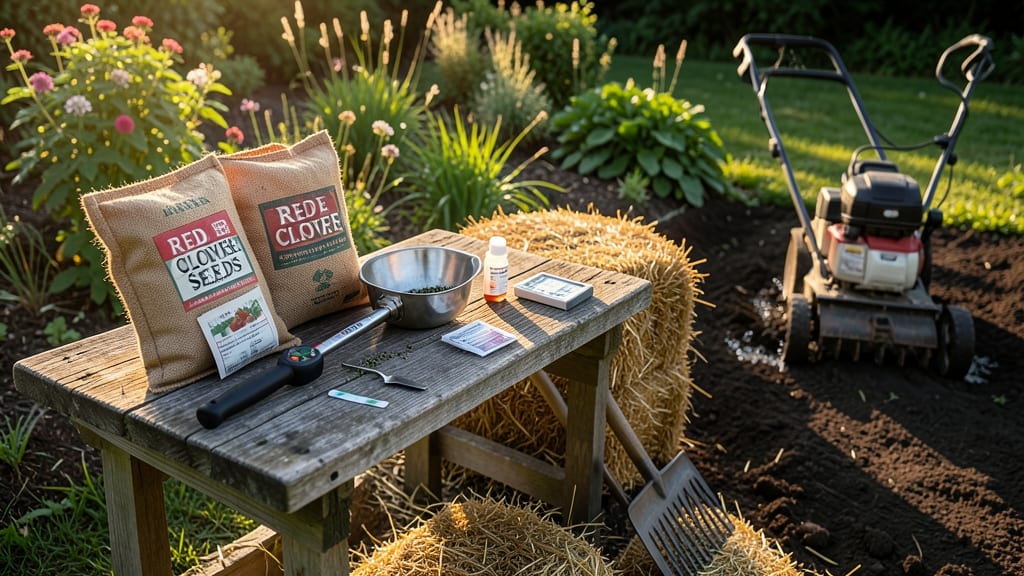
Planting food plots at the wrong time in Georgia’s Heat Zone 8A can turn your whitetail hunting dreams into a costly mistake—especially when summer’s scorching heat or winter’s unpredictable frosts throw off your timing.
If you’ve ever wondered why some food plots thrive while others struggle, the answer lies in knowing when to plant.
In Georgia’s 7b-8b zones, the best windows are late winter to early spring (February-March) or fall (August-September), but getting it right means more than just picking a month—it’s about soil temps, frost dates, and crop types.
I’ll break down the exact planting schedule for clover, brassicas, and warm-season mixes, plus soil prep tips to ensure your food plots grow lush and deer-proof. Whether you’re a beginner or a seasoned hunter, these insights will help you create a whitetail magnet year-round.
Ready to turn your property into a deer paradise? Let’s dive into the perfect timing and steps to make your food plots a success in Georgia’s climate.
Best planting windows for Georgia food plots in heat zone 8A
Georgia’s Heat Zone 8A offers a unique challenge for food plot success—balancing humid summers and mild winters requires precise timing. Planting at the right moment ensures your whitetail-attracting crops thrive, while poor timing can lead to stunted growth or total failure.
The key is understanding how soil temperatures, frost dates, and rainfall patterns interact across Georgia’s diverse microclimates.
In this zone, spring and fall are your prime planting windows, but summer and winter also play critical roles. For example, warm-season crops like sorghum-sudangrass need to be sown when soil temps hit 65°F+, while cool-season brassicas must avoid late frosts.
Let’s break down the best times to plant each season, tailored to Georgia’s North vs. South regional differences.
🌱 PRO TIP: Always test your soil’s pH (6.0-7.0 ideal) and nutrient levels before planting. Georgia’s clay-heavy soils often need amendments like lime or compost to ensure optimal growth.
| Season | Optimal Planting Window | Key Crops | Soil Temp Requirement | Notes |
|---|---|---|---|---|
| Spring | Late February - Early April (after last frost) | Clover, Brassicas, Winter Rye | 50-65°F | Plant when soil is workable; avoid waterlogged conditions. |
| Summer | Mid-May - Early June | Sorghum-Sudangrass, Soybeans, Millet | 65-75°F | Use shade cloth for seedlings; mulch to retain moisture. |
| Fall | Late August - Early September | Brassicas, Turnips, Winter Rye | 60-70°F | Aim for 6-8 weeks before first frost for mature growth. |
| Winter | Not recommended (dormancy period) | Perennial Clover (established plots) | N/A | Focus on soil prep; avoid disturbing established plots. |
Spring planting in Georgia’s Heat Zone 8A kicks off after the last frost date, typically late February to early April. This window is perfect for cool-season crops like clover and brassicas, which thrive in 50-65°F soil.
For best results, sow winter rye in late February for early spring forage, while turnips and radishes can be planted as late as early April. North Georgia may experience slightly earlier frosts, so adjust planting dates 1-2 weeks earlier than South Georgia.
Summer planting is all about warm-season crops like sorghum-sudangrass and soybeans, which need 65-75°F soil temperatures to germinate. The ideal window is mid-May to early June, after the risk of late frosts has passed.
These crops are drought-tolerant once established, making them ideal for Georgia’s hot, dry summers. However, young seedlings require consistent moisture, so consider using mulch or drip irrigation during establishment.
Fall is arguably the best time to plant in Zone 8A, with late August to early September offering ideal conditions for cool-season crops.
This timing ensures plants mature before the first frost (mid-November), providing whitetail forage through late fall and early winter. Brassicas and turnips are top choices, as they grow quickly and offer high-protein forage. South Georgia can extend planting slightly later due to its warmer microclimate.
Winter planting is not recommended for most food plot crops in Zone 8A, as Georgia’s mild winters allow perennial clover to remain dormant rather than actively grow. However, established clover plots can benefit from light fertilization in early spring to kickstart growth.
Avoid disturbing the soil during winter, as this can disrupt root systems and invite weeds.
For maximum whitetail attraction, aim to have two active food plots at all times: one spring/early summer plot and one fall/winter plot. This year-round forage strategy ensures deer have consistent nutrition, even during Georgia’s hot summers or mild winters.
Always monitor deer pressure and adjust planting dates if needed to avoid over-browsing young plants.
🌿 KEY TAKEAWAY: Georgia’s Heat Zone 8A demands seasonal flexibility. Spring and fall are your powerhouse windows, while summer and winter require strategic crop selection and soil management to succeed.
Top 5 Georgia food plot crops and their ideal planting times
Georgia's Heat Zone 8A offers unique challenges for food plot planting, but selecting the right crops and timing can transform your property into a whitetail magnet. The key is matching deer preference with Georgia's microclimates—North Georgia's cooler winters vs. South Georgia's longer growing seasons.
These top 5 crops deliver year-round forage while aligning with local conditions.
Whitetail deer crave nutrient-dense forage, and these crops provide exactly that. Whether you're planting for fall rut energy or winter survival food, timing is everything. Let's break down the best options and their precise planting windows to maximize deer activity on your property.
🌱 Georgia Food Plot Planting Timeline
- Winter Rye: August 15 - September 15 (South GA) / September 1 - October 1 (North GA)
- Chicory: March 1 - April 15 (Spring) or September 1 - October 15 (Fall)
- Soybeans: April 15 - May 15 (Early maturing varieties) / June 1 - July 1 (Late maturing)
- Turnips: August 1 - September 15 (Fall planting for winter forage)
- Sorghum-Sudangrass: April 15 - June 1 (Spring) or July 15 - August 15 (Summer)
For winter rye, the earlier planting window in South Georgia (August) gives it time to establish before frost, while North Georgia's cooler temperatures allow for a later start (September). This cool-season grass provides critical winter forage when other options are scarce, and deer will eagerly graze it until spring.
Chicory stands out as a high-protein perennial that thrives in Georgia's climate. Planting in early spring gives it time to establish before summer heat, while fall planting ensures it's ready for winter browsing. This deep-rooted taproot also improves soil health over time, making it a dual-purpose crop for serious food plotters.
The soybean planting window requires careful timing to avoid summer heat stress. Early maturing varieties planted in April-May provide summer forage, while late varieties planted in June-July offer fall nutrition. For maximum deer pressure, consider planting both varieties in separate plots to extend the forage window.
Turnips are a whitetail favorite that deliver rapid growth and high palatability. The August-September planting window ensures they establish before frost, providing winter and early spring forage. Their broadleaf greens and tubers offer deer both leafy browse and root crops, making them irresistible.
Finally, sorghum-sudangrass excels in Georgia's heat, making it perfect for summer and early fall planting. The April-June window gives it time to mature before summer heat peaks, while July-August planting provides late-season forage. This high-energy grass is especially valuable during the rut season when bucks need maximum nutrition.