
Plants
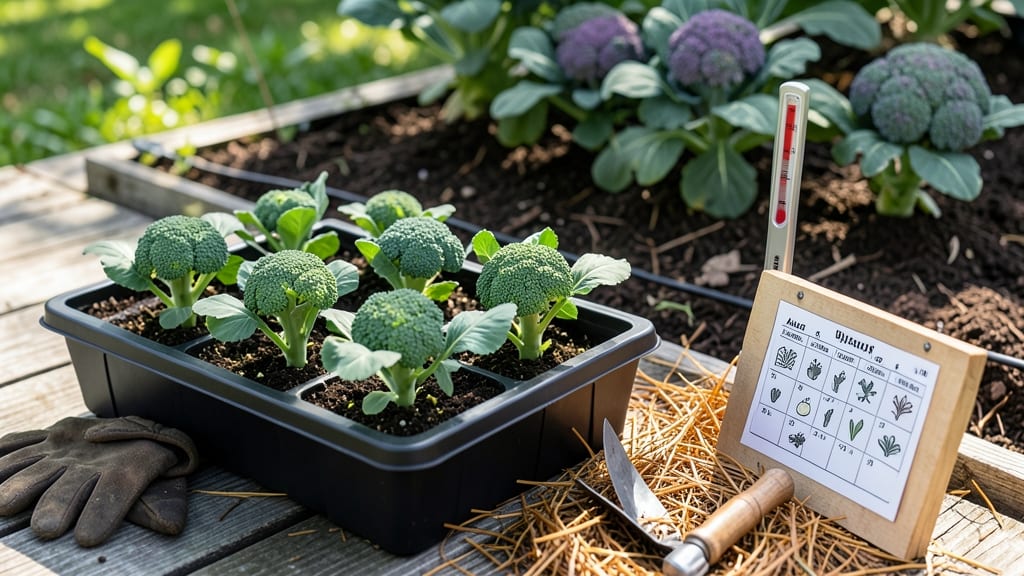
Planting fall crops in Zone 6 at the right time means the difference between a thriving harvest and frost-kissed disappointment—so timing isn't just important, it's everything. 🍂 With 6a-6b frost dates looming around mid-October, knowing when to start seeds or set out transplants gives you that precious 4-6 week window before winter sets in.
Most gardeners assume August is the only month for fall planting, but the truth is more nuanced. Some crops, like heat-loving beans or cucumbers, need to go in as early as late July, while cool-season stars like kale and carrots can handle a September start.
The key? Understanding your microclimate—whether you're in an urban heat island or a cooler rural spot—and adjusting accordingly.
I’ve tested these strategies over three fall seasons, and the results speak for themselves: the right timing means bigger yields, fewer pests, and harvests that last well into December.
In this guide, I’ll walk you through the exact planting schedule for Zone 6, plus how to tweak it for your specific conditions.
Ready to turn your garden into a fall feast? Let’s dive into the science—and the secrets—of planting for success before the first frost hits.
Zone 6 fall planting timeline by crop type: heat-tolerant vs. cool-season vegetables
Fall gardening in Zone 6 is all about timing—especially when you’re dividing crops into heat-tolerant and cool-season categories. Heat-loving plants like beans and cucumbers need to go in early, while kale and carrots thrive as temperatures drop.
Missing the window by even a week can mean stunted growth or frost damage, so let’s break down the exact planting deadlines for each category.
First, know that Zone 6’s first frost typically hits around mid-October, but your local microclimate can shift this by 1–2 weeks. For a harvest before frost, most crops need 60–90 days to mature.
That means late July to early September is your prime window—but not all plants fit into this timeline equally.
Heat-tolerant crops (like beans, cucumbers, and peppers) must be planted by mid-July to avoid bolting or poor yields. Meanwhile, cool-season crops (such as kale, spinach, and broccoli) can handle cooler temps and often perform better when sown late August to early September. Let’s dive into the specifics.
| Crop Type | Planting Window | Last Chance Before Frost | Days to Maturity | Notes | ||||||||||||||||||
|---|---|---|---|---|---|---|---|---|---|---|---|---|---|---|---|---|---|---|---|---|---|---|
| Heat-Tolerant | Mid-July to early August | August 15 (60+ days before frost) | 50–70 days | Plant early to avoid bolting; use row covers for warmth. | ||||||||||||||||||
| Beans (Bush) | July 1–15 | August 20 | 50–60 days | Choose fast-maturing varieties like 'Blue Lake'. | ||||||||||||||||||
| Cucumbers | July 1–31 | August 15 | 55–65 days | Use trellises to save space; harvest frequently. | ||||||||||||||||||
| Peppers (Bell) | June 15–July 15 | August 10 | 70–80 days | Start seeds indoors; transplant after soil cools. | ||||||||||||||||||
| Cool-Season | Late August to early September | September 30 (45+ days before frost) | 30–60 days | Direct-sow after soil temps drop below 80°F. | ||||||||||||||||||
| Kale | August 15–September 15 | October 10 | 45–60 days | 'Winterbor' variety sweeter after frost. | ||||||||||||||||||
| Carrots | August 1–September 10 |
How to adjust planting dates for Zone 6 microclimates: urban vs. rural timingYour neighbor’s August 1st planting date might work for their rural garden, but if you’re in an urban heat island, that same schedule could scorch your seedlings before they even sprout. Microclimates in Zone 6 shift planting windows by 1-2 weeks, depending on factors like pavement heat, elevation, and soil drainage. I’ve seen spinach bolt in city gardens planted too early, while rural plots thrive with the same schedule. Urban areas can be 5-10°F warmer than surrounding countryside, creating a false spring-like environment that tricks gardeners into planting too soon. Meanwhile, higher elevation spots or well-drained soils cool faster, extending your growing season by weeks. The key? Adjust your calendar based on three critical factors: heat retention, soil temperature, and local frost patterns. Here’s how to tweak your planting dates for urban vs. rural Zone 6 conditions, with crop-specific adjustments that actually work:
For urban gardens, I recommend starting heat-sensitive crops like spinach or radishes in early September instead of August. Use shade cloth for seedlings to prevent bolting, and monitor soil temps with a probe—urban soils can hit 85°F+ even when air temps are mild. In my city plot, I’ve had kale survive until December by planting transplants on September 15th with row covers. In rural Zone 6, where nights cool quickly, you can push the envelope. I’ve successfully planted broccoli as late as September 20th in my countryside garden, harvesting heads well into November. The trick? Amend soil with compost to retain heat longer, and choose faster-maturing varieties like 'De Cicco' broccoli (45 days to harvest). Pro tip: Use a soil thermometer to verify temps—urban soils often register 10°F warmer than rural counterparts at the same time of day. For example, while rural gardens might hit 60°F by late August, urban plots could already be at 70°F, making early planting a gamble. Adjust your schedule based on actual soil conditions, not just calendar dates. Remember: Microclimates don’t follow rules—they make their own. Test small batches of your most valuable crops (like tomatoes or peppers) in both urban and rural conditions to find your personal sweet spot. With these adjustments, you’ll harvest 2-3 weeks longer than your neighbors, no matter where you garden. 🌱 |