
Plants
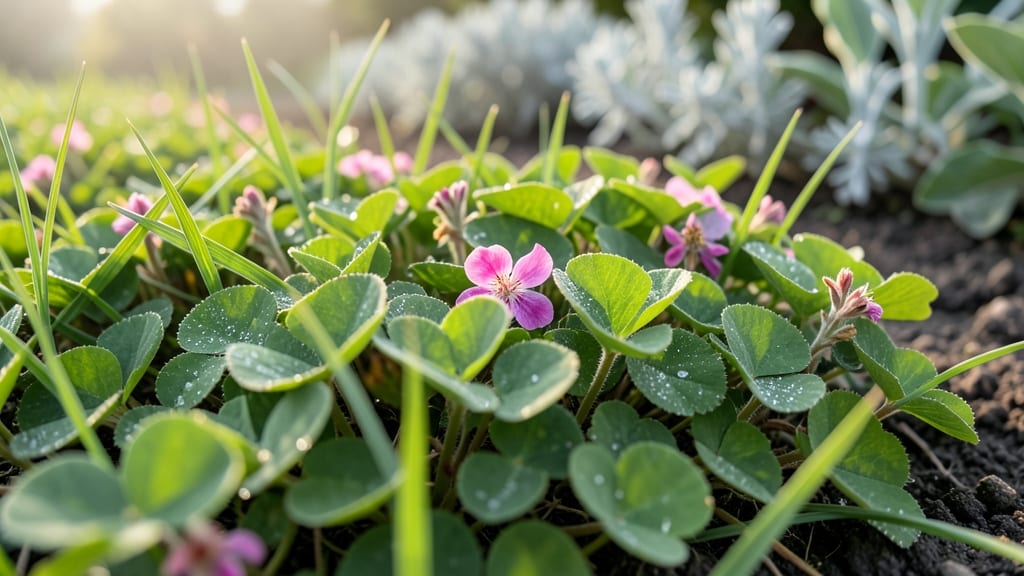
Planting food plots for deer 🌾 at the wrong time in Georgia can mean missed hunting seasons and wasted seed—because timing isn’t just about the calendar, it’s about your heat zone.
Whether you’re in the cooler North Georgia hills or the warmer Southern plains, the 30-day window between August and September makes all the difference for peak deer activity.
I’ve seen firsthand how a late-summer planting of clover or brassicas can turn a patch of dirt into a deer magnet by fall, while a rushed spring effort often fizzles under Georgia’s unpredictable weather.
The key isn’t just picking a month—it’s matching your crops to your local frost dates and soil conditions.
In this guide, I’ll break down the exact planting schedule for your region, from North Georgia’s 7a zones to South Georgia’s 8b heat, plus the best crops for each season.
You’ll learn how to avoid common mistakes that leave food plots barren—and how to keep deer coming back all season long.
Ready to transform your land into a whitetail hotspot? Let’s get started with the planting timeline that actually works for Georgia hunters.
Georgia’s deer planting heat zones: exact months to plant by region
Georgia’s diverse climate creates three distinct deer food plot planting zones, each with precise windows for maximum success.
In North Georgia (USDA Zones 7a-7b), cool-season crops thrive in late summer to early fall, while South Georgia (Zones 8a-8b) favors warm-season plantings in late spring to early summer. Central Georgia acts as a transition zone, requiring careful timing to avoid frost damage or heat stress.
Understanding these zones isn’t just about avoiding frost—it’s about aligning with deer feeding patterns. Bucks peak in rut season (October-November), so fall plantings should focus on high-protein crops like clover and brassicas. Meanwhile, summer plantings in the south create early-season forage when natural browse is scarce.
Let’s break down the exact planting months for each region, including soil prep tips and deer activity triggers to maximize your food plot’s impact.
| Region | USDA Zone | Best Planting Window | Key Crops | Deer Activity Trigger |
|---|---|---|---|---|
| North Georgia | 7a-7b | Late August - Early September | Clover, Brassicas, Winter Rye | Peak rut (October-November) |
| Central Georgia | 7b-8a | Mid-August - Late September | Sorghum-Sudangrass, Millet, Turnips | Pre-rut (September-October) |
| South Georgia | 8a-8b | Late May - Early July | Cowpeas, Peanuts, Sunflowers | Summer drought relief |
| All Regions | - | March-April (Spring Mixes) | Crimson Clover, Annual Ryegrass | Post-winter forage |
In North Georgia, where frost arrives earlier, focus on cool-season crops like crimson clover and turnips planted by September 1st. These establish roots before winter and provide high-protein forage when deer need it most during rut season.
Use a no-till drill for precise seed placement in well-drained soils to avoid compaction.
Central Georgia’s transition zone offers flexibility, but timing is critical. Plant sorghum-sudangrass by August 15th to ensure 60-90 days of growth before first frost. This warm-season staple thrives in 80°F+ temperatures and provides summer forage when natural food sources dwindle. Monitor soil moisture—drought stress reduces palatability.
For South Georgia, where winters are mild, warm-season crops like peanuts and cowpeas planted in late May create summer forage that deer rely on during dry spells. These crops also attract does and fawns during fawn-rearing season (June-July), increasing your property’s overall deer activity.
Regardless of zone, soil testing is non-negotiable. Aim for a pH of 6.0-7.0—most Georgia soils are naturally acidic. Apply lime in fall if needed, and fertilize with 10-20-10 at planting for rapid root establishment.
In North Georgia, add a winter cover crop like annual ryegrass to prevent erosion and provide early spring forage.
Pro tip: Use deer-friendly planting patterns. Create 10-15 foot wide strips with 5-foot buffers between plots. This mimics natural edge habitats that deer prefer, while also making plots easier to manage.
In South Georgia, interplant sunflowers with peanuts—deer love the seeds but the sunflowers also provide shade for fawns during hot afternoons.
Finally, align your planting schedule with deer behavior. In North Georgia, plant brassicas in September to coincide with pre-rut feeding frenzies. In Central Georgia, millet plantings in August create late-season forage when acorns drop.
And in South Georgia, summer crops planted by June 1st provide relief during peak drought months.
By following these region-specific timelines, you’ll transform your property into a deer magnet—not just for hunting season, but year-round. The key? Plant when deer are hungry, and they’ll remember your food plot forever. 🌾
Best food plot crops for Georgia deer by planting season
Georgia’s deer love diverse food plots, but the wrong crop at the wrong time means wasted effort. Spring plantings like clover and brassicas provide early forage, while summer mixes like sorghum and millet thrive in heat.
Fall plantings of wheat and rye offer winter nutrition. Each season demands different crops to match deer behavior and soil conditions.
Deer prefer high-protein crops during rut season (fall) and nutrient-rich greens in spring. Cool-season crops like annual ryegrass grow fast in fall, while warm-season crops like pearl millet handle Georgia’s summer heat. Matching crops to seasons ensures year-round forage and happy deer.
🌱 STYLED LIST: Georgia Food Plot Crops by Season
-
🌿 SPRING (March-April)
- Clover (white or red) – Deer love it, grows fast
- Brassicas (turnips, radishes) – High protein, early harvest
- Chicory – Late spring blooms attract deer
-
🔥 SUMMER (June-July)
- Sorghum (brown-top milo) – Drought-resistant, deer favorite
- Pearl Millet – Fast-growing, handles heat
- Sunflower – Late summer forage + seed heads
-
🍂 FALL (August-September)
- Annual Ryegrass – Fastest fall growth, deer love it
- Wheat – Winter forage, high protein
- Crimson Clover – Fall planting, winter nutrition
For peak deer activity, focus on fall plantings (August-September) for winter forage. Annual ryegrass grows in just 30-45 days, giving deer quick access to food. Spring plantings should prioritize clover mixes—they fix nitrogen in soil while providing greens for early-season deer.
Summer crops like sorghum and millet need full sun and consistent moisture to avoid stress. Mulch lightly to retain soil moisture during Georgia’s hot months. Mow plots to 12-18 inches to encourage regrowth and keep deer browsing at optimal levels.
Don’t overlook diversity—mix 3-4 crops per plot to extend the growing season. For example, pair clover (spring) with ryegrass (fall) for year-round forage. Test soil pH (aim for 6.0-7.0) before planting to ensure crops thrive.
Timing is key: Plant cool-season crops 60 days before first frost (typically late August) and warm-season crops after last frost (mid-April). Adjust for your USDA zone—North Georgia (Zone 7a) has earlier frosts than South Georgia (Zone 8b).