
Plants
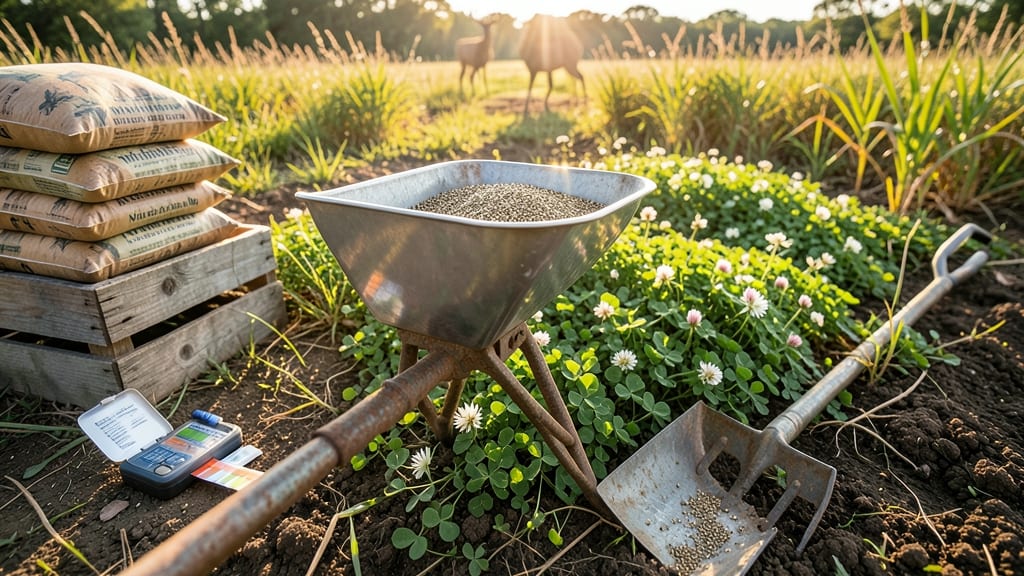
Planting food plots in Florida isn’t just about timing—it’s about beating the heat and humidity to create lush forage that deer will flock to.
With no frost to worry about, your year-round planting window becomes a double-edged sword: too early, and summer’s scorching sun wilts your plots before they even sprout; too late, and you miss peak growing seasons.
The key lies in understanding Florida’s unique heat zones and how they dictate the best months to plant for maximum success.
If you’ve ever watched your hard work shrivel under Florida’s midday sun or wondered why some plots thrive while others fail, you’re not alone.
The difference often comes down to planting at the right time—whether it’s escaping summer’s peak heat with early spring crops or leveraging cooler fall temperatures for winter hardies.
I’ll break down the exact months that work best in each of Florida’s zones, so you can avoid common mistakes and turn your food plots into a deer magnet.
From clover’s cool-season resilience to sorghum’s summer endurance, the right crop for the right time makes all the difference. You’ll discover how to align your planting schedule with deer hunting seasons, rainfall patterns, and even soil prep—because in Florida, where the weather never really quits, preparation is everything.
Let’s dive into the heat zone timeline that’ll give your plots the edge they need.
Whether you’re a seasoned plotter or just getting started, these insights will help you skip the guesswork and focus on what truly works in Florida’s climate. By the end, you’ll know exactly when to plant for zero-frost success, no matter where you are in the state.
Ready to turn your food plots into a year-round attraction?
Florida heat zone planting calendar: exact months for zero-frost success
Florida’s zero-frost winters and humid subtropical climate create a unique growing environment where food plots thrive year-round—but timing is everything. Unlike northern states, Florida’s USDA Heat Zones 8A-9B allow for three distinct planting windows instead of just two.
Miss these windows, and your clover, brassicas, or sorghum could bolt, wilt, or get outcompeted by weeds.
In North Florida (Zone 8A), cooler winters mean you can plant cool-season forages like turnips as early as October, while South Florida (Zone 9B) gardeners can sow warm-season millet year-round with minimal stress.
The key is aligning your planting with deer hunting seasons and rainfall patterns—Florida’s summer storms can either save or sink your plots.
Below is your heat-zone-specific calendar, broken into three critical windows: early spring escapes, summer heat tolerance, and fall/winter hardy crops. I’ve included exact months for each zone, plus pro tips to beat Florida’s 90°F+ afternoons and hurricane season disruptions.
🌱
| Heat Zone | Planting Window | Best Crops | Key Notes |
|---|---|---|---|
| Zone 8A (North FL) | Oct–Nov (Fall) Feb–Mar (Spring) |
Clover, Rye, Turnips, Winter Peas | Cooler temps slow weeds; irrigate if dry spells occur. |
| Zone 8B (Central FL) | Sep–Oct (Fall) Jan–Feb (Spring) |
Brassicas, Chicory, Sorghum-Sudangrass | Use shade cloth for summer plantings to avoid bolting. |
| Zone 9A (South-Central FL) | Year-round (peak: May–Aug) | Millet, Cowpeas, Sunflowers | No frost risk—focus on irrigation during dry seasons. |
| Zone 9B (South FL) | Year-round (best: Jun–Sep) | Sorghum, Peanuts, Amaranth | Hurricane prep: elevate seed or use cover crops. |
For Zone 8A gardeners, I recommend starting clover and rye in October—these cool-season staples establish roots before winter’s mild chill and explode in January-February when deer are most active.
In Zone 9B, where frost is nonexistent, summer millet planted in June-July will outperform anything else, thanks to Florida’s long, hot days.
One critical mistake I see is planting warm-season crops like sorghum too early in Zone 8A. The soil stays cool for months, and seeds rot before sprouting.
Instead, wait until April 15—when soil temps hit 65°F+—for guaranteed germination. Use a soil thermometer to track progress; it’s a game-changer.
In summer (June-August), Florida’s heat becomes the biggest challenge. Even heat-tolerant millet wilts under 100°F+ without daily deep watering.
My trick? Mulch heavily with straw or wood chips to retain moisture, and plant in early morning when temps are cooler. Shade cloth (30-50%) can buy you 2 extra weeks of viable growth in peak heat.
Fall is your golden window across all zones. Brassicas like turnips thrive in Zone 8A’s cooler October temps, while Zone 9B gardeners can still sow winter peas through November.
This is when deer activity peaks, so time your planting to late September for a November-December harvest—just in time for hunting season.
Pro tip: Test your soil pH before planting—Florida’s sandy soils often lack organic matter. Aim for a 6.0-7.0 pH for most forages, and amend with compost or peat moss if needed. I’ve seen clover plots double in yield after a simple lime application in Zone 8A.
🌿
Florida heat zone planting calendar: exact months for zero-frost success
Florida’s humid subtropical climate means no frost to worry about, but heat zones (8A-9B) still dictate the best times to plant food plots. Unlike northern states, you can grow cool-season forages year-round, but timing still matters to avoid heat stress and maximize deer attraction during hunting seasons.
In North Florida (8A-8B), cooler winters make late winter (February-March) and early fall (September-October) ideal for planting clover, brassicas, and winter peas. These months offer mild temperatures and abundant rainfall, giving crops a strong start before summer heat arrives.
Central Florida (9A) enjoys warmer winters, so spring (March-April) and late summer (August-September) are peak planting windows. Summer heat tolerance is critical here—sorghum, millet, and cowpeas thrive when planted in August for fall harvests, aligning with deer rutting season (September-October).
South Florida (9B-10A) has year-round growing potential, but avoid planting during peak summer (June-August) when humidity and pests surge. Instead, focus on early spring (February-March) for fast-growing forages like turnips and radishes, or fall (October-November) for longer-season crops like chicory and alfalfa.
| Heat Zone | Best Planting Window | Top Crops | Deer Attraction Peak |
|---|---|---|---|
| 8A-8B (North FL) | Feb-Mar, Sep-Oct | Clover, Brassicas, Winter Peas | Oct-Nov, Feb-Mar |
| 9A (Central FL) | Mar-Apr, Aug-Sep | Sorghum, Millet, Cowpeas | Sep-Oct, Mar-Apr |
| 9B-10A (South FL) | Feb-Mar, Oct-Nov | Turnips, Radishes, Chicory | Nov-Dec, Feb-Mar |
💡 Pro Tip: Always plant after rainfall or irrigate immediately to prevent seed desiccation in Florida’s dry spells.
For summer plantings, prioritize heat-tolerant crops like sunn hemp or pearl millet, which can handle 90°F+ temperatures if planted in shaded beds or with drip irrigation. These forages provide late-season forage when deer are most active before the freeze (if any) in North Florida’s cooler pockets.
Align your planting schedule with local hunting seasons—fall plantings (September-October) ensure peak forage during deer rut (October-November), while spring plantings (March-April) create early-season attractants for bucks recovering from winter.
With Florida’s zero-frost advantage, you can even double-crop in some zones by planting fast-growing radishes after harvesting winter peas.
🌿