
Plants
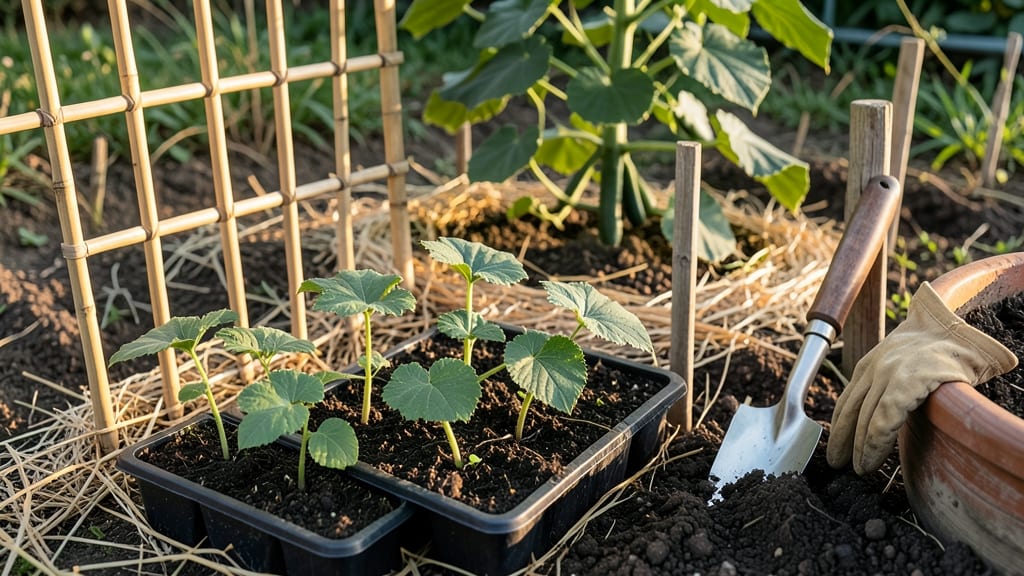
Timing your cucumber planting just right in North Florida can mean the difference between a bountiful harvest and bitter vines that bolt before you even get a taste. With USDA Zones 8a-9b and unpredictable spring rains, knowing the exact window to plant your 🥒 is the key to success.
Most gardeners assume you can toss seeds in the ground as soon as the last frost passes, but that’s a recipe for disappointment. The real secret lies in waiting until soil temperatures hit 60°F—usually around mid-March for most of North Florida.
This small detail prevents those dreaded early bolts that turn your cucumbers into sad, seedy messes.
In this guide, I’ll break down the perfect planting windows for both spring and fall, including how to adjust for your specific microclimate—whether you’re in the Panhandle or near Jacksonville.
You’ll also learn how to use shade cloth and succession planting to extend your harvest season and avoid the summer heat stress that plagues so many local gardens.
By the end, you’ll have a foolproof strategy to grow cucumbers that are crisp, sweet, and ready to pick from May through October. Let’s get those vines thriving the right way!
North Florida cucumber planting calendar: microclimate zones & ideal start dates
North Florida’s cucumber growing season hinges on understanding your local microclimate. The Panhandle (Zone 8a) can plant earlier than Jacksonville (Zone 8b) or Gainesville (Zone 9a), thanks to cooler coastal breezes and inland heat islands.
Even within cities, urban gardens often warm up 1-2 weeks faster than rural areas due to pavement heat retention.
Your last frost date (typically mid-February) isn’t the only factor—soil temperature matters more. Cucumbers need 60°F+ soil to germinate properly. In Jacksonville, this usually means waiting until late March, while the Panhandle can start 2-3 weeks earlier if using black plastic mulch to warm the soil faster.
Here’s how to align your planting with North Florida’s three distinct microclimate zones:
| Region | USDA Zone | Spring Planting Window | Fall Planting Window | Soil Temp Threshold | Key Microclimate Note |
|---|---|---|---|---|---|
| Panhandle (Pensacola, Tallahassee) | Zone 8a | Late Feb - Early Apr | Mid-Aug - Late Sep | 60°F+ (earlier with mulch) | Cooler coastal areas; urban zones heat up faster |
| Jacksonville (Zone 8b) | Zone 8b | Mid-Mar - Early May | Late Jul - Early Sep | 65°F+ (humidity delays germination) | High humidity; use shade cloth for early starts |
| Gainesville (Zone 9a) | Zone 9a | Early Apr - Mid-May | Early Aug - Mid-Sep | 70°F+ (heat-tolerant varieties recommended) | Inland heat; bolting risk if planted too early |
For urban gardeners, add 2-3 weeks to these dates if your yard sits in a heat island. Concrete and asphalt can raise soil temps by 10-15°F compared to rural areas.
Test your soil with a soil thermometer ($10 at garden centers) before planting—below 60°F means cucumbers will bolt prematurely or fail to germinate.
Pro tip: Use black plastic mulch or straw mulch to warm soil faster in cooler microclimates. In Jacksonville’s humidity, cover seeds with shade cloth (30-50%) until they sprout to prevent fungal issues.
The UF/IFAS Extension recommends waiting until average nighttime temps stay above 65°F for fall plantings to avoid chilling stress.
Your fall planting window closes earlier than spring in North Florida. By mid-September, daytime temps often exceed 90°F, triggering bolting. Prioritize heat-tolerant varieties like 'Straight Eight' or 'Southern Sweet 100' if you must plant in late summer.
For Jacksonville, aim for late July starts; Gainesville should plant by early August at the latest.
Succession planting every 2 weeks after your initial date extends harvests. In the Panhandle, you might get 3 harvest cycles (spring, summer, fall), while Jacksonville typically manages 2 cycles due to summer heat.
Time your last planting so cucumbers mature before first frost (mid-December)—even Zone 9a can see light frosts in inland areas.
Monitor local Almanac frost predictions (available via Florida Climate Center) and adjust by 1-2 weeks based on your yard’s microclimate. If your garden sits in a low spot, frost may arrive 3-5 days earlier than official forecasts. Use row covers for late-season protection if needed.
Remember: Soil temperature > air temperature for cucumbers. Even if daytime highs hit 80°F, soil may still be 55°F at depth. Use a moisture meter (dual-function models work) to confirm 60°F+ before planting. This simple tool prevents 90% of bolting issues in North Florida gardens.
How to prevent bolting: soil temperature, shade cloth & succession planting hacks
Bolting is cucumbers' worst nightmare—those bitter, seedy fruits appear when your plants decide to reproduce instead of producing. In North Florida's heat, soil temperatures above 85°F or inconsistent moisture triggers this premature flowering.
The key to preventing bolting lies in three strategies: soil temperature management, strategic shade use, and succession planting to keep your garden productive year-round.
First, let's talk soil temperature. Cucumbers thrive when soil stays between 60-75°F. Use a DIY soil thermometer (a cheap digital probe or even a thermometer buried 2 inches deep) to check temps daily.
If your soil heats up past 80°F for more than a few days, your plants will bolt faster than you can say "slicing cucumber." Mulching with straw or black plastic helps regulate temperatures and retain moisture.
⚠️ callout warning ⚠️
Many gardeners in North Florida make this critical error: planting cucumbers as soon as the last frost passes (usually mid-February). But cold soil (below 60°F) stunts growth, while warm days + cool nights create stress that triggers bolting. Wait until soil temps consistently reach 60°F+—typically mid-March for most regions. Use a soil thermometer for accuracy, not just air temperature!
Pro Tip: If you're eager to start early, use black plastic mulch to warm soil faster and prevent bolting.
Shade cloth becomes your best friend during North Florida's brutal summer months. When daytime temps exceed 90°F, cucumbers suffer from heat stress. Install 30-50% shade cloth over your plants to reduce leaf temperatures by 10-15°F.
For maximum effectiveness, drape it 1-2 feet above plants to allow airflow while blocking excessive sunlight. Remove it during cooler months to maintain full sun exposure for optimal fruit production.
Succession planting is the secret weapon for continuous harvests. Instead of planting all your cucumbers at once, stagger plantings every 2-3 weeks during the growing season. This ensures you always have young, productive plants while older ones mature.
For North Florida, aim for these windows: March 15, April 1, April 15 (spring) and July 15, August 1, August 15 (fall). This technique also helps you avoid the peak summer heat that causes bolting.
Don't forget about watering discipline—inconsistent moisture is another bolting trigger. Cucumbers need 1-2 inches of water weekly, delivered deeply in the morning to prevent fungal diseases. Use drip irrigation or soaker hoses to keep leaves dry, which reduces stress.
If you notice yellowing leaves or wilting during heatwaves, your plants are signaling drought stress—bolting's sneaky accomplice.
By combining these strategies—soil temperature monitoring, seasonal shade adjustments, and succession planting—you'll keep your cucumbers producing sweet, crisp fruits from May through October without a single bolt in sight. The effort pays off with continuous harvests and zero bitter surprises! 🌱