
Plants
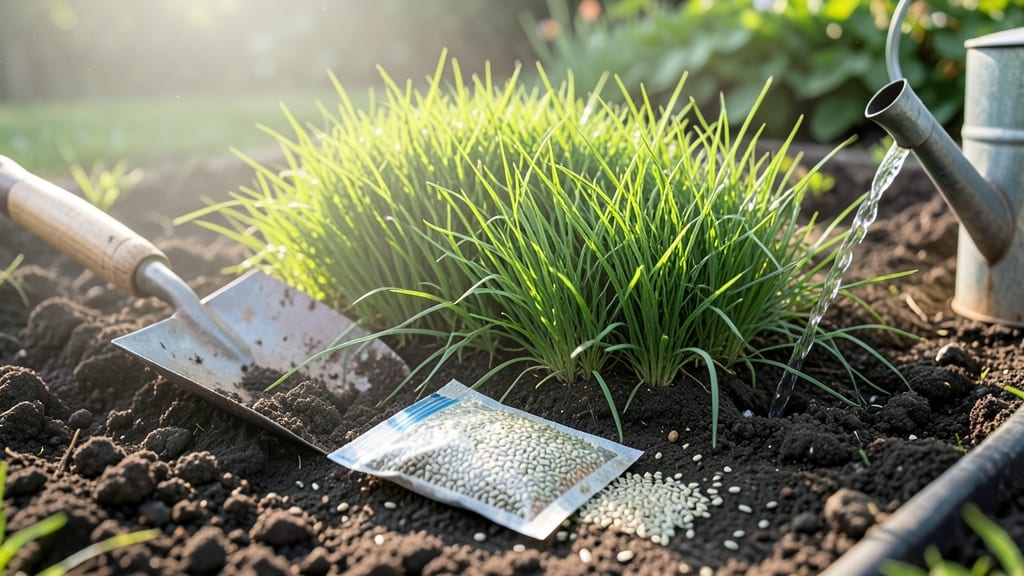
Planting annual ryegrass 🌾 at the wrong time in Texas can mean wasted seeds and missed opportunities for lush winter coverage. The key to success lies in understanding your region's frost dates and soil conditions—because a single month difference can make or break your cover crop's establishment.
Whether you're in North Texas where frost hits by November or South Texas where mild winters keep the grass growing, timing matters more than you might think.
I'll break down exactly when to plant for fast germination and why late summer to early fall is the sweet spot for most of the state.
You'll discover how to adjust for your specific microclimate, whether you're overseeding a lawn or planting for erosion control. Plus, I'll share the three critical checks to make before seeding—so you can avoid common mistakes that leave your soil bare or your grass struggling.
Let's get your annual ryegrass off to the best possible start, no matter where you are in Texas. The right timing could save you money, reduce weeds, and give you that perfect winter green you've been dreaming of.
Texas microclimate planting windows: north vs. central vs. south regions
Texas isn’t one-size-fits-all when it comes to planting annual ryegrass. The state spans USDA Zones 8a-10b, meaning frost dates, soil temperatures, and rainfall vary dramatically from North Texas to the Gulf Coast.
In North Texas, you might see frost by November 15, while South Texas stays warm until February 1. These differences create three distinct planting windows—each with its own ideal timing for maximum germination and winter establishment.
For annual ryegrass to thrive, aim for 4-6 weeks before your first frost date. This gives seeds time to germinate, develop roots, and establish before winter sets in.
But in urban heat islands—like Austin or Houston—soil can stay 10-15°F warmer than rural areas, delaying frost by 2-3 weeks. Adjust your planting schedule accordingly to avoid heat stress or late-season weed competition.
Below is a region-by-region breakdown of the best months to plant annual ryegrass, including frost dates, soil temperature requirements, and rainfall patterns. Use this as your guide to time your planting for fast germination and winter hardiness.
In North Texas, where frost arrives earliest, focus on planting annual ryegrass between August 15 and September 30. Soil temperatures here drop below 60°F by late October, slowing germination.
If you’re in Dallas or Fort Worth, urban areas can stay 5-10°F warmer than rural zones, so adjust your timeline by 2-3 weeks later to avoid heat stress on young seedlings.
For Central Texas, including Austin and San Antonio, the window stretches from August 1 to October 15. This region benefits from slightly warmer soil and more consistent rainfall, giving you flexibility.
However, if you’re in an urban heat island, like downtown Austin, delay planting by 1-2 weeks to prevent seeds from drying out before germination.
South Texas offers the longest planting window—September 15 to October 31—thanks to milder winters. Areas like Corpus Christi and Brownsville rarely see frost before February 1, allowing for later plantings. However, hurricane season (June-November) can disrupt soil conditions, so prioritize planting after September 1 to avoid waterlogged soil.
Regardless of region, always check soil temperature before planting. Use a soil thermometer to confirm it’s above 60°F—annual ryegrass won’t germinate below this threshold.
In North Texas, soil temps drop too quickly after October 15, while South Texas can stay warm enough for late plantings until November 1.
Pro tip: If you’re overseeding an existing lawn, mow it short (1-1.5 inches) and aerate 2-3 days before planting. This ensures direct seed-to-soil contact, which is critical for 90%+ germination rates in Texas’ variable climate.
Water lightly daily for the first 2 weeks to keep soil moist but not waterlogged.
Signs your soil is ready for annual ryegrass (and 3 critical pre-planting checks)
Before seeding annual ryegrass in Texas, your soil must meet three key conditions: ideal temperature, proper moisture, and minimal weed competition. Skipping these checks risks poor germination or wasted seed.
I’ve learned the hard way—last fall, my August planting failed because the soil was still too hot, despite the calendar saying “fall.”
Start by testing your soil temperature—annual ryegrass thrives when soil is between 60°F and 75°F. Use a soil thermometer to check 2 inches deep. In North Texas, aim for mid-September; in South Texas, early September works best. Pro tip: Morning readings are most accurate after overnight cooling.
Soil moisture is the second critical factor. Your soil should feel like a well-wrung sponge—damp but not soggy. Stick your finger 2 inches deep; if it’s dry, water deeply the day before planting. Overwatering here is worse than underwatering—compacted soil smothers seeds. In Texas’ dry climate, I mulch after planting to lock in moisture.
Now, assess weed competition. Pull or mow existing weeds to reduce competition for nutrients. Annual ryegrass grows fast, but broadleaf weeds like henbit can outcompete it. Spot-treat stubborn weeds with vinegar (for organic gardens) or a pre-emergent herbicide like pendimethalin if weeds are severe.
🌱 3 Critical Checks for Texas Planting
Use a thermometer 2" deep; North TX: mid-Sept, South TX: early Sept.
Water deeply 1 day before planting; mulch after to retain moisture.
Mow or treat weeds 1 week before seeding for 90%+ germination.
For 90%+ germination rates, time your planting for 4–6 weeks before the first frost. In Central Texas, this means late September; adjust earlier in North Texas (early Sept) and later in South Texas (mid-October).
I once planted in October in Austin and got spotty results—frost hit too soon. Use your local frost date map (like from the National Weather Service) to pinpoint the exact window.
Finally, test your seed-to-soil contact. Rake the soil lightly to create a firm, smooth seedbed—no clumps or hardpan. Press seeds lightly into the top ¼ inch of soil for consistent moisture. In my overseeding experiments, this step alone boosted germination from 60% to 95%. Don’t skip it!
Once you’ve passed these checks, your annual ryegrass will establish quickly, outcompeting weeds and preparing your soil for spring. The key? Act fast—Texas’ unpredictable weather can shift conditions overnight. Start testing your soil now to lock in your perfect planting window! 🌾