
Flowers
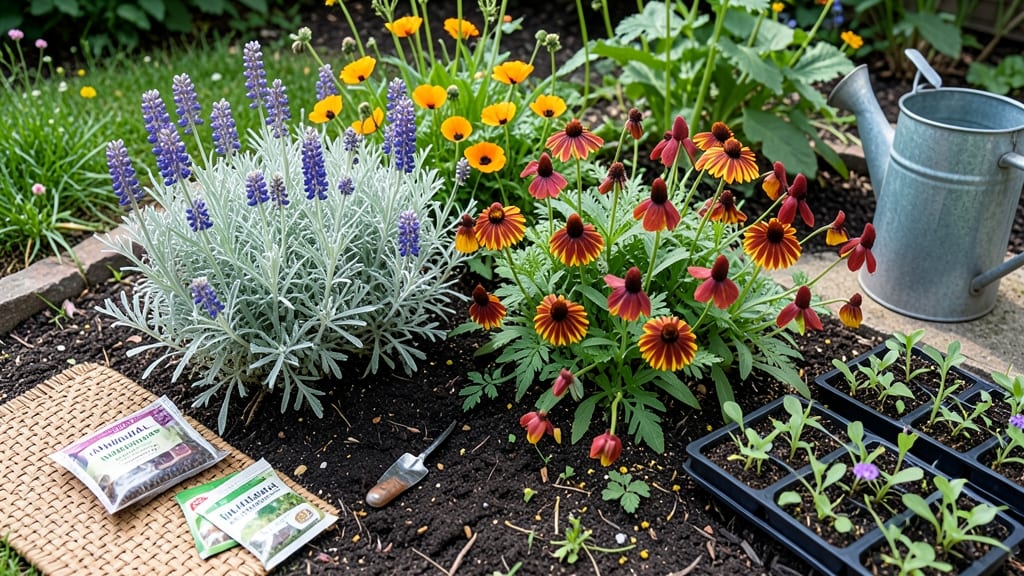
Planting flowers in Montana isn’t just about timing—it’s about outsmarting the state’s unpredictable frosts and short growing season. Whether you're in USDA Zone 3 or the warmer Zone 6, getting the months right means the difference between a vibrant garden and a sad, frost-killed disappointment.
Montana’s microclimates—from the high deserts of Missoula to the valleys of Billings—create unique challenges for gardeners. The key is knowing when to start seeds indoors, when to transplant tender blooms, and which hardy varieties will thrive despite late spring frosts.
I’ll break down the exact months to plant, so you can enjoy summer-to-fall color without the guesswork.
Forget one-size-fits-all advice—this guide covers everything from cold-hardy perennials like peonies to delicate annuals like petunias, with region-specific tips. Whether you’re a first-time gardener or a seasoned pro, these strategies will help you beat Montana’s climate and grow a garden that blooms reliably year after year.
Let’s dive into the best planting windows for your area, so you can start seeds at the perfect time and transplant with confidence. Your zero-frost-risk garden awaits!
Montana’s frost-free planting zones by region: when to start seeds vs. transplants
Montana’s USDA Hardiness Zones 3-7 create a complex puzzle for gardeners. While the Missoula Valley (Zone 5) enjoys slightly warmer springs, the Eastern plains (Zone 4) can linger under frost until mid-June. Understanding these microclimates means the difference between vibrant blooms and wasted effort.
Your last frost dates vary dramatically: Billings typically sees its final frost by May 15, while Kalispell on the Western slope may wait until June 1. This timing affects whether you start petunia seeds indoors in March or wait until April.
For annual flowers like snapdragons and coneflowers, I recommend starting seeds 6-8 weeks before your last frost date. In Zone 4 areas, that means indoor seed starting by March 1; in Zone 5, you can begin as late as March 15.
Transplants should go into the ground only after soil temperatures exceed 50°F.
Here’s a quick reference for Montana’s flower planting windows by region, including seed-starting and transplant timelines for popular annuals:
| Region | USDA Zone | Avg. Last Frost | Seed Start (Indoors) | Transplant Outdoors | Best Annuals |
|---|---|---|---|---|---|
| Eastern Montana (Billings) | Zone 4-5 | May 15 | March 1 - March 15 | May 20 - June 1 | Petunias, Snapdragons, Marigolds |
| Western Montana (Missoula) | Zone 5 | May 25 | March 15 - April 1 | May 10 - May 20 | Coneflowers, Zinnias, Black-Eyed Susans |
| Flathead Valley (Kalispell) | Zone 5-6 | June 1 | April 1 - April 15 | May 25 - June 5 | Lavender, Russian Sage, Dahlias |
| High Desert (Bozeman) | Zone 4-5 | May 10 | February 28 - March 10 | May 15 - May 30 | Coreopsis, Phlox, Columbine |
In Zone 4 areas, like Glendive or Miles City, I’ve learned to err on the side of caution. Start heat-loving annuals like petunias indoors by late February and use row covers for early transplants.
The Missoula climate is more forgiving, allowing me to delay seed starting until mid-March.
For cold-hardy annuals such as snapdragons and stock flowers, you can even sow directly into the garden 2-3 weeks before your last frost. These tough varieties tolerate light frosts and often bloom earlier than heat-lovers. In Zone 5**, that means late April sowings for a June bloom.
Pro tip: Use Montana State University’s frost date maps to refine your timing. I’ve found that elevational shifts of just 500 feet can delay last frost by 1-2 weeks. Always check your specific microclimate—what works in Billings may fail in Butte.
If you’re growing perennials like coneflowers or daylilies, fall planting (late August-September) gives roots time to establish before winter. But for annuals, timing is everything—miss the window, and you’ll be left with bare soil when neighbors enjoy colorful blooms.
Remember: Montana’s growing season is short. Plan your seed-starting schedule carefully, and don’t be afraid to extend the season with cold frames or row covers for late bloomers like cosmos or sunflowers.
Perennial flowers vs. annuals: Montana-specific planting strategies for year-round color
Montana’s short growing season demands smart planning when choosing between perennial flowers and annuals. Perennials like peonies and lavender establish roots over years, while annuals like marigolds deliver instant color but require replanting. The key? Timing your plantings to Montana’s microclimates and frost dates.
Perennials thrive when planted in early spring (April-May) or fall (September), giving roots time to settle before winter. Annuals, however, need to go in after the last frost (typically late May to early June). Soil prep is critical—Montana’s clay-heavy soils benefit from compost and organic matter to improve drainage.
Perennials vs. Annuals: Montana Planting Guide
- Pros: Return yearly, low maintenance
- Cons: Slow establishment, may need winter protection
- Pros: Fast blooms, vibrant colors
- Cons: Require replanting, shorter season
For perennial flowers, focus on early spring planting (April) when soil temperatures rise above 50°F. Lavender, for example, prefers well-draining soil and benefits from fall planting to establish roots before winter. Peonies, another favorite, should be planted in early spring to avoid rot in wet soils.
Annuals like marigolds and cosmos thrive when planted after the last frost (late May in most regions). These heat-loving flowers will bloom until first frost (September-October). To extend their season, use row covers or choose late-blooming varieties like sunflowers.
Soil prep is non-negotiable in Montana. Amend clay-heavy soils with compost or sand to improve drainage. For perennials, add a 2-inch layer of mulch to protect roots in winter. Annuals need fertile soil—mix in aged manure or balanced fertilizer before planting.
Don’t overlook fall planting for perennials like asters or sedum. These hardy plants establish roots in cool weather and bloom the following year. Annuals planted in late summer (August) may produce fall blooms before frost, adding late-season color.
Montana’s short growing season means every week counts. By pairing perennials (for structure and longevity) with annuals (for instant color), you’ll create a garden that thrives year-round—even in Big Sky Country’s unpredictable climate. 🌿