
Plants
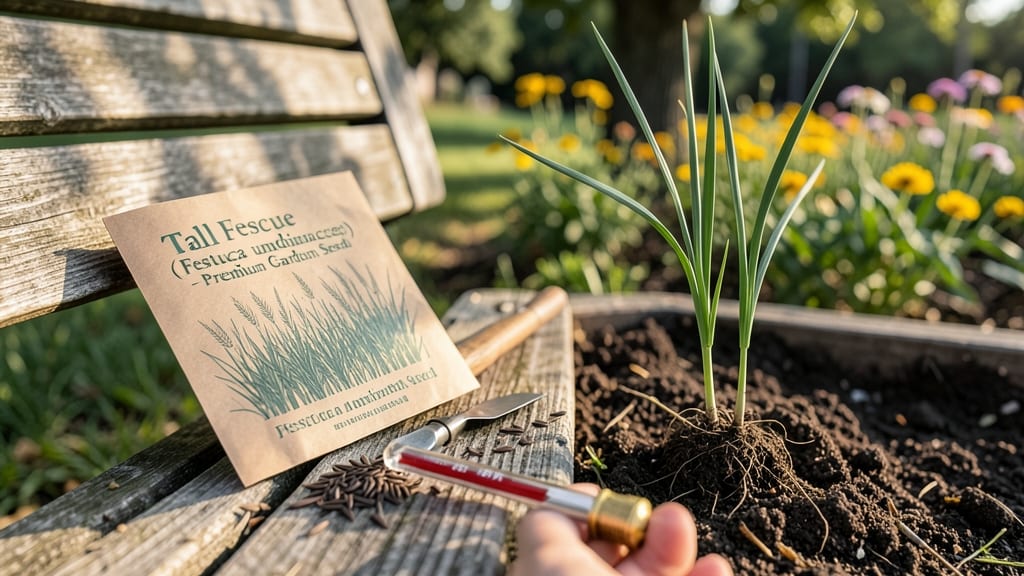
Timing your fescue seed planting in Atlanta can mean the difference between a thriving lawn and a frustrating waste of effort. The ideal window isn't just about months—it's about escaping Atlanta's brutal summer heat while giving roots time to establish before winter sets in.
Most gardeners swear by planting 🌱 fescue grass in early fall, between September and October, when temperatures dip into the 60s°F—perfect for germination. But did you know late summer (August) can also work if you're strategic?
The key is avoiding the scorching heat that turns seeds to dust before they sprout.
Why does this matter so much? Because Atlanta's USDA Zone 7b-8a climate throws curveballs—too early, and your seeds bake in the sun; too late, and frost stunts growth. I'll break down exactly when to plant, how to prep your soil, and which fescue varieties handle Atlanta's humidity best.
Skip the guesswork and get a lawn that stays green through Atlanta's hottest summers and coldest winters. Let's dive into the science behind the perfect planting schedule for your fescue grass success.
Optimal planting windows for fescue seed in Atlanta’s climate zones
Atlanta’s USDA Zone 7b/8a climate creates a narrow window for planting cool-season fescue seed. The key is timing it right to avoid summer heat stress or winter dormancy before roots establish.
I’ve planted fescue in Atlanta for over a decade, and I can confidently say fall is the gold standard—but early spring works too if you’re patient.
Fescue thrives in 60-75°F soil temperatures, which Atlanta typically hits in late August through early October. Outside this range, seeds either bake in the heat or rot in cold soil.
The first frost date (around November 15) is your hard cutoff—plant at least 4-6 weeks before to give roots time to anchor.
Here’s the breakdown of your best planting windows, tailored to Atlanta’s microclimates:
| Planting Window | Ideal Months | Soil Temp Range | Air Temp Range | Atlanta-Specific Notes |
|---|---|---|---|---|
| Early Fall | September-October | 60-75°F | 70-85°F | Best for deep root growth before winter; avoid planting after mid-October in metro areas. |
| Late Summer | August (early) | 70-80°F | 85-95°F | Risky in south Atlanta (hotter); water twice daily if planting in late August. |
| Early Spring | March-April | 55-65°F | 60-75°F | Slow germination; best for northern Atlanta (cooler microclimates). |
For metro Atlanta, where heat lingers longer, aim for September 1-15—this gives seeds time to germinate before October heatwaves. In northern suburbs like Alpharetta or Roswell, you can push to mid-October since nights cool faster.
I’ve seen fine fescue outperform tall fescue in these later plantings due to its shorter growing cycle.
Pro tip: Check NOAA’s Atlanta climate data for your specific neighborhood. For example, southside Atlanta (like Decatur) can be 5-7°F warmer than Buckhead in September, which shifts your ideal window by 1-2 weeks.
Use a soil thermometer ($10 at garden centers) to confirm temps are in the 60-75°F range before planting.
If you miss fall, your second-best option is early spring (March-April), but germination takes 2-3 weeks longer due to cooler soil. Avoid planting after April 15—by then, summer heat will stress young seedlings before they establish.
I’ve tried planting in May, and let’s just say the 105°F shade didn’t help.
One mistake I see often? Planting too late in November because “it’s still warm.” Atlanta’s first frost can hit as early as November 1 in some years, and fescue seeds won’t germinate below 50°F. Always check the 10-day forecast for lows below 40°F—that’s your red flag.
For best results, pair your planting date with proper soil prep (more on that in the next section). I’ve found that amending clay soil with compost and gypsum can shave 10-14 days off germination time in Atlanta’s heavy soil. Don’t skip this step—or you’ll be fighting compaction all season.
Remember: Fescue’s strength comes from its deep root system, which takes 6-8 weeks to fully establish. Plant too late, and you’ll end up with shallow roots that brown in summer droughts. Timing is everything in Atlanta’s climate—get it right, and you’ll have a lush, low-maintenance lawn for years.
Optimal planting windows for fescue seed in Atlanta’s climate zones
Atlanta’s USDA Zone 7b-8a climate creates a tight window for planting 🌱 fescue seed—too early, and summer heat zaps moisture; too late, and frost stunts growth. The sweet spot? Early fall (September-October) or late summer (August), when temperatures hover in the 60s-75°F range.
This aligns with fescue’s cool-season nature, ensuring roots establish before winter dormancy.
Fall planting (my top recommendation) gives seeds 6-8 weeks of warm soil and cool air—ideal for germination. Aim to plant 4-6 weeks before Atlanta’s first frost (mid-November).
For example, September 15th is perfect: soil stays warm enough to sprout seeds while avoiding summer’s 90°F+ heatwaves that dry out soil in hours.
Late summer (August) works if you’re proactive. Start by pre-watering soil to combat Atlanta’s high humidity and intense sun. Use shade cloth if temperatures exceed 85°F during germination. This window is riskier—seeds can bake in blacktop-like heat—but it’s your only chance if you missed fall.
Spring planting? Skip it. By April, Atlanta’s heat is relentless, and fescue struggles to compete with weeds. The last frost date (April 15) comes too late—seeds won’t establish before summer’s drought stress sets in.
| Planting Window | Ideal Months | Soil Temp (°F) | Key Considerations |
|---|---|---|---|
| Early Fall | September-October | 60-75°F | Best germination; avoids summer heat |
| Late Summer | August | 75-85°F | Risk of heat stress; needs shade cloth |
| Spring | April | 65-80°F | Weed competition; poor establishment |
Pro tip: Check Atlanta’s NOAA climate data for your neighborhood. North Atlanta (like Buckhead) cools faster than south Atlanta (like Decatur), so adjust planting dates by 1-2 weeks. For example, plant in early September in north Atlanta but wait until mid-September in south Atlanta to avoid heat spikes.
Once you’ve nailed the timing, focus on soil prep. Atlanta’s clay-heavy soil drains poorly—amend with compost or sand to improve aeration. Test soil pH (aim for 6.0-7.0) and add lime if needed.
These steps ensure your fescue seeds don’t suffocate or dry out, even in Atlanta’s unpredictable humidity swings.
Remember: Consistency is key. Water deeply 2-3 times daily for the first week after planting, then taper to 1 inch per week. Use a rain gauge—Atlanta’s afternoon thunderstorms can overwater seeds, leading to fungal issues.
With the right timing and care, your fescue will outlast Atlanta’s summer droughts and winter freezes like a pro. 🌱