
Plants
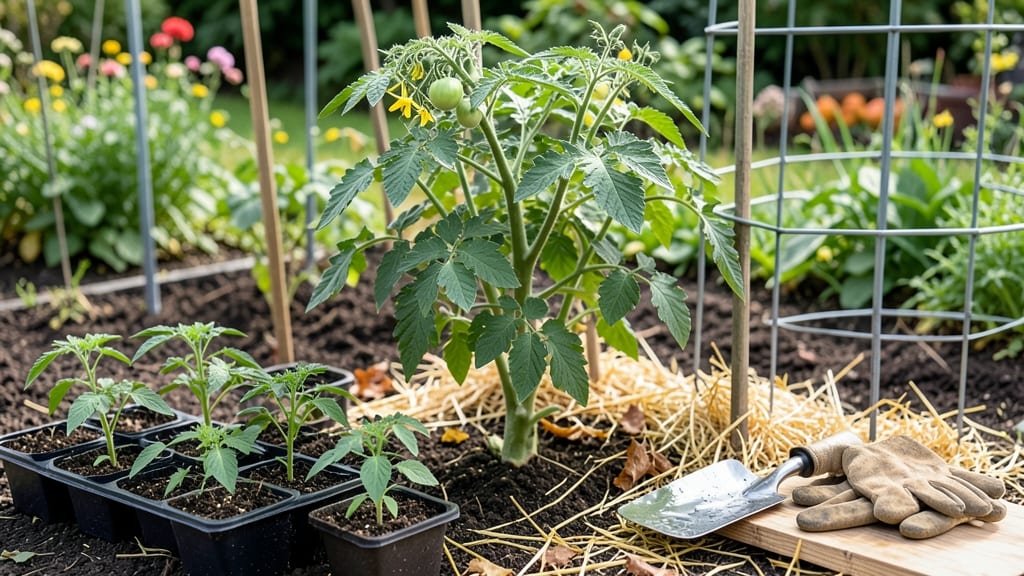
Planting fall tomatoes in North Texas isn’t just about throwing seeds in the dirt—it’s about catching that 4-6 week window before the first frost hits around mid-November. Miss the mark, and you’ll either bake your plants in summer heat or watch them wither in the cold.
But with the right timing, you can grow juicier, sweeter tomatoes than any store-bought variety, even in our USDA Zone 8a climate.
Most gardeners here swear by mid-August to early September as the sweet spot, but that’s just the starting line. The real magic happens in how you prep your soil, choose fast-maturing varieties, and protect your plants from late-season pests like whiteflies.
I’ve learned the hard way—skipping these steps means smaller yields and more work. Let me show you how to turn your North Texas garden into a fall tomato powerhouse without the guesswork.
You don’t need a greenhouse to extend your harvest into October. With the right techniques—like mulching, strategic watering, and even a simple row cover—you can keep your 🍅 tomatoes producing well past what most people think is possible.
The key? Starting at the perfect moment and knowing exactly what to do once those seedlings hit the ground. Trust me, your taste buds (and your neighbors) will thank you.
Ready to turn your backyard into a fall tomato factory? I’ll walk you through the exact steps—from soil prep to harvest—so you can enjoy homegrown tomatoes long after your summer crop is gone. No more second-guessing, just flavor-packed success.
North Texas fall tomato planting zones: exact start dates by microclimate
North Texas’ USDA Zone 8a climate creates a perfect window for fall tomato planting, but exact timing varies by microclimate. The key is planting 4-6 weeks before your area’s first frost—typically mid-August to early September—while avoiding late-summer heat stress.
Dallas-Fort Worth’s urban heat island effect, for example, can push planting dates 1-2 weeks earlier than rural areas like Waco.
Your soil temperature must stay above 60°F (15°C) for seeds to germinate, but air temperatures below 85°F (29°C) help prevent blossom drop. East Texas’ higher humidity demands disease-resistant varieties, while West Texas’ dry heat favors drought-tolerant types. Let’s break down the exact planting windows for your region.
| Region | Avg. First Frost | Ideal Planting Window | Soil Prep Start | Key Varieties |
|---|---|---|---|---|
| Dallas-Fort Worth | Nov 10-15 | Aug 15 – Sep 1 | Jul 15 (amend soil) | ‘Celebrity’, ‘Mountain Merit’ |
| Waco | Nov 15-20 | Aug 20 – Sep 5 | Jul 20 (add compost) | ‘Better Boy’, ‘Early Girl’ |
| Lubbock | Nov 5-10 | Aug 1 – Aug 15 | Jun 20 (mulch heavily) | ‘Heatmaster’, ‘Solar Fire’ |
| East Texas (Tyler) | Nov 20-25 | Aug 25 – Sep 10 | Jul 25 (fungicide spray) | ‘Arkansas Traveler’, ‘Cherokee Purple’ |
In Dallas-Fort Worth, urban gardens often experience 5-10°F warmer nights than rural areas, so start seeds indoors by July 20 for transplants ready by August 15. Use black plastic mulch to warm soil faster and row covers to extend harvests into early December if frost threatens.
For Waco and Central Texas, aim for transplanting by August 20—this gives plants 80-90 days to mature before frost.
Test soil pH (6.0-6.8) and add aged compost to improve drainage, as clay soils retain too much moisture during fall rains. Drip irrigation prevents fungal diseases like early blight, common in this humid region.
West Texas’ Lubbock area demands heat-tolerant varieties like ‘Heatmaster’, which thrive in 90°F+ soil. Plant earlier (August 1) to avoid September heat stress, and use straw mulch to conserve moisture. Succession plant every 2 weeks for staggered harvests through October.
East Texas’ Tyler region benefits from longer growing seasons, but high humidity increases disease risk. Choose disease-resistant varieties and plant after August 25 to avoid late-summer pests like hornworms. Prune lower leaves weekly to improve airflow and reduce blight spores.
Regardless of your location, harden off seedlings for 7-10 days before transplanting by placing them in partial shade during the day and full sun at night.
This gradual transition prevents transplant shock in fall’s fluctuating temperatures. Monitor weather forecasts and use frost cloth if nights dip below 40°F (4°C).
Pro tip: Mark your planting dates on a garden calendar and note the days to maturity for each variety
How to adjust planting dates for your specific North Texas microclimate
North Texas isn’t one-size-fits-all when it comes to fall tomatoes. Urban Dallas swelters in late summer heat while rural Panhandle areas cool faster—both need different planting strategies. The key? Soil temperature and heat tolerance of your chosen variety.
Most fall tomatoes thrive when soil temps stay above 60°F but below 85°F—any hotter, and plants bolt; too cold, and roots struggle.
Start by checking your local frost dates. The North Texas average first frost falls between November 15-30, but microclimates vary. East Texas (e.g., Tyler) often gets frost 2 weeks earlier than West Texas (e.g., Lubbock).
Plant 4-6 weeks before your area’s frost date—so if frost hits November 20, aim for mid-to-late September planting.
For heat-prone areas like Dallas or Fort Worth, use shade cloth (30-50%) during August to lower soil temps. Succession planting every 2 weeks after your initial date stretches harvests. In cooler zones like Waco or Abilene, prioritize fast-maturing varieties (60-70 days to harvest) to beat frost.
🌱
Avoid These Planting Pitfalls
- Planting too early (before August 15) risks heat stress and blossom drop.
- Ignoring soil temps—cold soil (55°F) delays germination. Use a soil thermometer ($10 at garden centers).
- Skipping succession planting in urban heat islands (e.g., Dallas) shortens harvest windows.
- Overcrowding plants reduces airflow, increasing fungal diseases like early blight.
Pro Tip: Test your soil’s pH (ideal: 6.0-6.8) before planting—North Texas clay often needs lime or sulfur adjustments.
Adjust for urban vs. rural differences too. City gardens (e.g., Austin) stay 5-10°F warmer than countryside areas, so plant 1-2 weeks later. Rural spots with loamy soil (like East Texas) drain better—ideal for tomatoes—while clay-heavy zones (e.g., Lubbock) need raised beds or organic matter amendments.
Extend your season with row covers or low tunnels. These add 2-4°F warmth and push harvests into early December in mild years. Just remove covers during daytime warmth to prevent condensation-related diseases.
For container growing, use 5-gallon pots with self-watering reservoirs—critical in North Texas’ erratic fall rains.
Finally, monitor local weather forecasts for cold fronts. If a hard freeze (28°F) is predicted, harvest green tomatoes and ripen indoors. With these adjustments, you’ll turn North Texas’ short fall season into a flavor-packed harvest.