
Plants
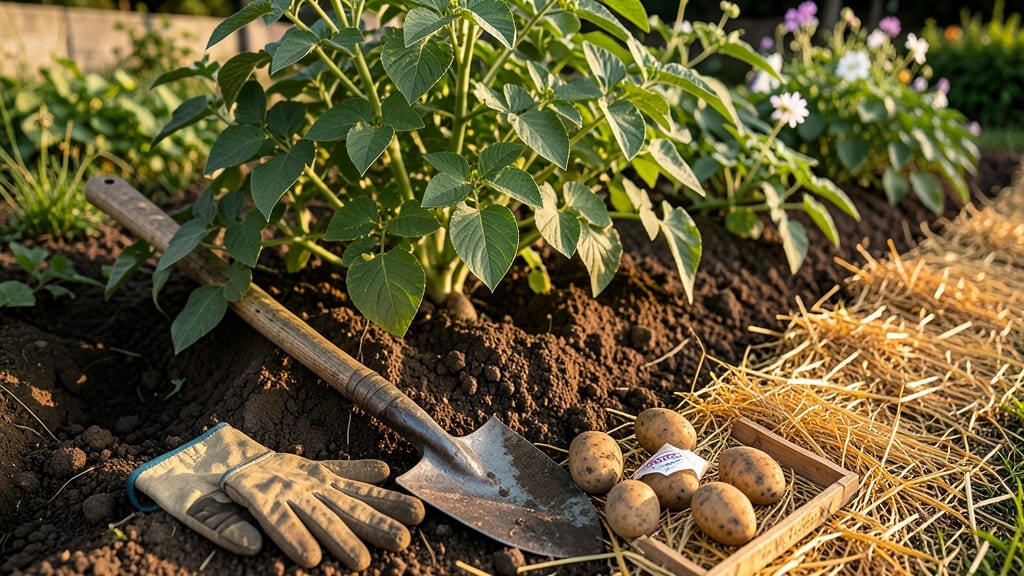
Timing your fall potatoes just right in Virginia means the difference between a bumper crop and a wasted effort—because planting too early risks bolting, while waiting too long leaves you scrambling before frost.
The 4-6 week window before your first frost date isn't just a guideline; it's your golden opportunity to grow 🥔 that store well through winter.
I’ve learned the hard way that Virginia’s 7a-8a zones play by their own rules—what works in the Piedmont won’t cut it in the Tidewater, and vice versa. Microclimates, soil warmth, and even your backyard’s sun exposure can shift that ideal planting window by weeks.
But here’s the good news: with the right variety and a few smart tricks, you can lock in a harvest before winter sets in.
You’ll discover exactly when to plant based on your specific corner of Virginia, plus how to pick potatoes that won’t bolt in late-summer heat. We’ll also cover soil prep, spacing, and those little details that keep your crop thriving right up to harvest time.
Let’s get those spuds in the ground the right way.
The key isn’t just about dates—it’s about understanding your land’s quirks and working with them. Whether you’re a first-timer or a seasoned gardener, these insights will help you avoid the most common mistakes and walk away with potatoes that’ll last through December. Ready to dig in?
Virginia’s fall potato planting calendar by microclimate Zone
Virginia’s fall potato season hinges on precise timing—too early, and your seed potatoes bolt; too late, and frost steals your harvest. With USDA zones 5a-8a across the state, your planting window varies by microclimate, soil temperature, and variety.
Urban areas often experience 2-3°F warmer nights than rural zones, delaying frost by 1-2 weeks. Let’s break down the exact planting dates for each zone and how to adjust for your specific conditions.
First, check your last frost date. Most of Virginia’s first frost arrives between October 15-30, but coastal areas (like Zone 8a) may see frost as late as November 10.
Plant your fall potatoes 4-6 weeks before your expected frost date to ensure tubers mature before cold sets in. For example, if frost hits October 20, aim to plant by September 10.
Soil temperature is equally critical. Potatoes need soil at 45-55°F to sprout consistently. In Zone 5a, wait until late August when soil warms to 50°F; in Zone 8a, you can plant as late as early September without risking bolting.
Use a soil thermometer to confirm—cold soil slows germination and invites rot.
Urban gardeners face unique challenges. Concrete and pavement absorb heat, creating "heat islands" that can push soil temperatures 5-10°F higher than rural areas. If you’re in Zone 7a but live in an urban heat pocket, plant 1 week later than the rural schedule to avoid bolting.
Conversely, rural areas with loamy soil cool faster—plant 1 week earlier to maximize the growing season.
| USDA Zone | Planting Window | Ideal Varieties | Soil Temp. Goal | Urban Adjustment |
|---|---|---|---|---|
| 5a (Northwest VA) | Late August - Early Sept | Kennebec, Red LaSoda | 50-55°F | Plant 3-5 days earlier |
| 6a (Central VA) | Early August - Mid-Sept | Yukon Gold, Fingerlings | 48-52°F | Standard timing |
| 7a (Richmond Area) | Mid-August - Late Sept | Russet Burbank, Purple Viking | 50-55°F | Plant 1 week later in heat pockets |
| 7b (Southside VA) | Late August - Early Oct | Sweet Potato, Red Pontiac | 52-58°F | Standard timing |
| 8a (Tidewater) | Early Sept - Mid-Oct | Adirondack Blue, Katahdin | 55-60°F | Plant 1 week earlier in coastal breezes |
Choose early-maturing varieties (90-day harvest) for Zone 5a, where the growing season is shorter. In Zone 8a, opt for longer-season potatoes (110+ days) like Katahdin, which handle warmer soil without bolting.
For urban gardens, prioritize compact varieties like Yukon Gold—they thrive in containers and tolerate heat stress better than standard types.
Adjust your planting depth based on soil type. In sandy soil (common in Tidewater), plant 3 inches deep to retain moisture; in clay soil (like Central Virginia), go 4-5 inches deep to prevent waterlogging.
Space seed potatoes 12 inches apart in rows 3 feet apart to allow airflow and reduce disease risk.
Monitor your potato plants closely after planting. If leaves yellow prematurely (a sign of bolting), immediately hill soil around stems to cool roots. In urban areas, use black plastic mulch to warm soil faster and extend
How to choose fall potatoes that won’t bolt in Virginia’s heat
Virginia’s late-summer heat can trick fall potatoes into bolting—those unwanted flower spikes that rob energy from tuber growth. The key to avoiding this is selecting the right variety and seed potatoes that tolerate warm soil and short growing seasons.
My top picks for Virginia’s climate include Yukon Gold for buttery texture, Kennebec for storage, and Red LaSoda for disease resistance.
Start with certified seed potatoes, not grocery store spuds—they’re treated to prevent sprouting and may carry diseases. Look for varieties labeled as late-season or long-day types, which mature slower and resist bolting better in Virginia’s USDA Zones 7a-8a.
I always order mine from reputable suppliers like Johnny’s Selected Seeds or Territorial Seed Company.
🌱
When selecting seed potatoes, choose pieces with at least 2-3 eyes—the fewer eyes, the slower the growth, which helps avoid bolting. I always cut my seed potatoes 1-2 weeks before planting and let them cure (sprout) in a cool, dark place.
This gives them a head start while keeping the plant’s energy focused on tuber development.
For Virginia’s warm fall soil, I recommend planting Yukon Gold or Red LaSoda—both tolerate heat better than traditional varieties. If your soil stays above 75°F for long stretches, consider using black plastic mulch to keep roots cooler.
I’ve seen this extend the growing season by 2-3 weeks in my Zone 7b garden.
Finally, avoid early-maturing varieties like New Potatoes—they bolt quickly in Virginia’s heat. Stick to late-season types with 90+ days to maturity, and plant them 4-6 weeks before frost.
This timing ensures tubers bulk up before the first 28°F freeze, while giving the plant just enough time to resist bolting.
With the right variety and planting strategy, you’ll harvest bold, bolt-free potatoes even in Virginia’s unpredictable fall weather. 🌿