
Companion Plants
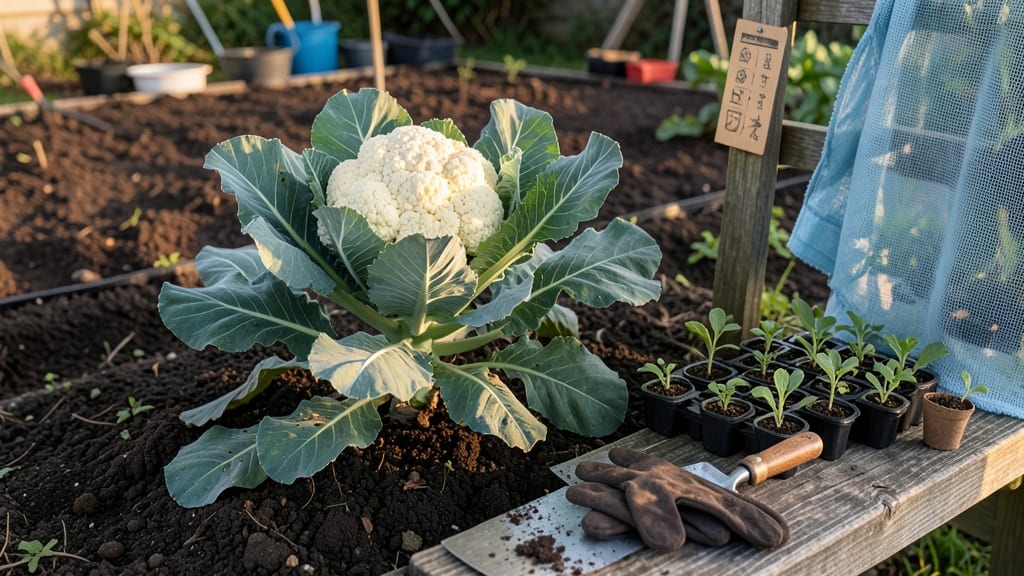
Timing your 🥬 cauliflower planting in Pennsylvania can make or break your harvest—get it wrong, and you’ll end up with bitter, bolted heads instead of tender, snow-white curds.
The key is knowing exactly when to plant for your specific microclimate, whether you're in the cooler mountains of the northeast or the warmer valleys of the southwest.
Most Pennsylvania gardeners aim for two planting windows: early spring (March to April) and late summer (July to August). But here’s the catch—your last frost date (which varies wildly across the state) dictates everything.
Plant too early, and frost will stunt your seedlings; too late, and summer heat will trigger bolting before you even see a head.
I’ll break down the perfect planting schedule for your exact corner of PA, including how to adjust for urban heat islands or rural chill zones.
Plus, I’ll share my top tricks for extending your growing season so you can enjoy homegrown 🥬 cauliflower from spring through fall—no matter where you live in the Keystone State.
Ready to stop guessing and start growing? Let’s dive into the science-backed timing that’ll have you harvesting plump, flavorful heads all season long.
PA cauliflower planting calendar by microclimate: avoid bolting with precision dates
Pennsylvania’s diverse climate—from Poconos chill to Pittsburgh’s urban heat islands—means one planting schedule won’t work everywhere. The key to zero-bolt cauliflower is matching your USDA zone (6a-7b) with soil temperature thresholds and frost-free dates.
For example, Erie’s Lake Effect delays spring warmth, while Philadelphia’s concrete jungles trap heat earlier.
Cauliflower seeds need soil temps above 40°F (4°C) to sprout, but heads form best at 60-75°F (15-24°C). Plant too early, and cold snaps trigger bolting (premature flowering). Too late, and summer heat stresses the plants before harvest. Let’s break it down by PA microclimate.
Here’s your microclimate-specific planting calendar, including frost dates, ideal transplant windows, and harvest timelines for Pennsylvania’s 13 USDA zones.
| Zone | Last Frost Date | Spring Planting Window | Fall Planting Window | Harvest Time | Key Notes |
|---|---|---|---|---|---|
| 6a (Poconos, NE PA) | May 10 | April 15–May 1 (transplant) | July 15–August 1 | June–July or Sept–Oct | Use row covers for early starts |
| 6b (State College, Central PA) | April 25 | March 20–April 10 (start indoors) | July 1–July 15 | May–June or Aug–Sept | Avoid late May heat—bolting risk |
| 7a (Pittsburgh, SW PA) | April 15 | March 1–March 20 (transplant) | July 10–August 10 | April–May or Aug–Oct | Urban areas warm faster—plant early |
| 7b (Philadelphia, SE PA) | April 10 | February 20–March 15 (start indoors) | June 20–July 10 | March–April or July–Sept | Heat-tolerant varieties needed for summer |
For Erie and Lake Effect zones, delay spring planting until soil warms to 50°F (10°C)—cold, wet soils stunt growth. In Philadelphia’s urban heat islands, you can start indoors by February for earlier transplants, but avoid direct outdoor planting before April 1.
Fall planting is trickier: shoot for 100–120 days before your first frost. In Zone 6a, that’s July 15–August 1; in Zone 7b, you can push to August 10. Use quick-maturing varieties (like ‘Purple of Sicily’) to beat frost.
Pro tip: Check your local frost dates via the Penn State Ag Extension or Almanac. Even a 5-day shift can mean the difference between bolting and perfect heads.
Next, we’ll cover frost protection hacks to extend your season—because why limit yourself to just two harvests when you can grow cauliflower
How to extend your cauliflower season in PA: frost protection and succession planting hacks
Pennsylvania’s unpredictable frost patterns—especially in Lake Effect snow zones—can turn a promising cauliflower crop into a winter casualty overnight. But with smart season extension tactics, you can harvest two full crops per year while avoiding the dreaded bolting that ruins tender heads.
The key lies in strategic planting windows and frost protection layers. Unlike heat-loving crops, cauliflower thrives in cool weather (50–75°F), making it perfect for early spring and fall harvests. But without proper planning, even a single late frost can wipe out months of effort.
- Start seedlings indoors 8–10 weeks before last frost (typically mid-February for spring). Use grow lights to prevent leggy plants.
- Hard off seedlings 2 weeks before transplanting to harden roots against PA’s chilly nights (30–40°F).
- Plant spring crops 4–6 weeks before last frost (early April in most zones). Use row covers for extra protection.
- For fall harvests, sow July–early August (100–120 days before first frost). Purple varieties like ‘Graffiti’ tolerate cooler temps better.
- Extend seasons with cold frames or low tunnels. Add straw mulch (4–6 inches) to insulate roots during Lake Effect snow events.
- Succession plant every 2 weeks in spring/fall for continuous harvests. Space plants 18–24 inches apart to maximize yield.
If you live in urban heat islands (like Philadelphia), opt for shade cloth (30–50%) during summer to keep soil temps below 80°F. Cauliflower bolts when stressed by heat waves, so drip irrigation and even moisture are non-negotiable.
For Lake Effect zones (Erie, Buffalo), time your fall planting to avoid early snow. Use black plastic mulch to absorb heat during the day and insulate at night. Pair with floating row covers for extra frost defense.
Pro tip: Harvest before frost hits! Cauliflower heads won’t survive freezing, but you can blanch and store them in 50°F root cellars for 2–3 months. For year-round growing, try greenhouse microclimates—even a small hoop house adds 4–6 weeks to your season.
With these PA-specific hacks, you’ll turn frost from a foe into a friend, ensuring bountiful harvests from spring to fall. 🥬