
Plants
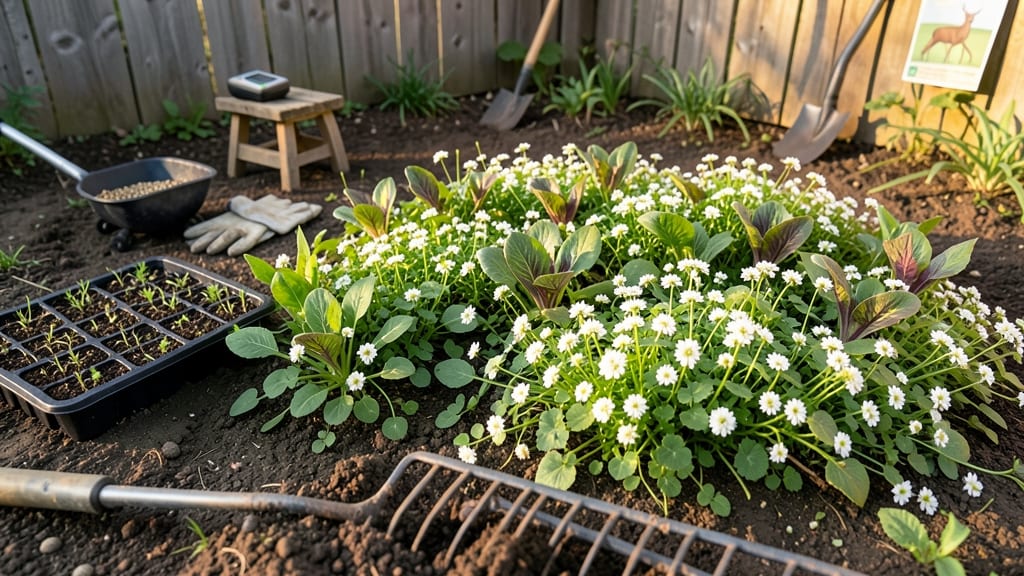
Planting your fall food plots in Georgia at the wrong time could mean the difference between a whitetail paradise and a patch of winter-killed weeds. The exact weeks before first frost—typically mid-August through early October—are your golden window to grow lush forage that deer will devour all season.
I’ve seen hunters miss out because they planted too early (and watched their plots bolt) or too late (and got frost-bitten seedlings). But when you time it right, you’ll have dense, nutritious forage ready just as bucks hit their peak rut.
Let’s break down the science behind Georgia’s frost dates and how to align your planting with deer behavior.
Whether you’re sowing clover, brassicas, or winter wheat, the key is understanding your USDA Zone 7b-8b and local frost patterns. I’ll show you how to calculate your exact planting window, avoid common mistakes, and even salvage a late start. No more guesswork—just reliable, deer-proven results.
Ready to turn your property into a whitetail magnet? Grab your seed, soil tester, and let’s get growing—before the first frost locks things down.
Georgia’s fall food plot planting timeline: weeks before first frost
Fall food plots in Georgia thrive when planted within a precise window before the first frost—typically 4 to 8 weeks ahead. This timing ensures plants establish roots and reach peak biomass before winter dormancy.
For Georgia’s USDA zones 7b-8b, this translates to planting between mid-August and early October, but exact dates vary by region.
Northern Georgia (zones 7b) experiences the earliest frosts, often by mid-November, while Southern Georgia (zone 8b) can delay planting until early October. Central Georgia falls in between, with a late September cutoff. Understanding these regional differences is critical for maximizing plot success and deer attraction.
To pinpoint your exact planting window, use the USDA Plant Hardiness Zone Map and local first frost averages. For example, Athens (zone 7b) typically sees frost by November 15th, while Savannah (zone 8b) may wait until November 30th.
Adjust your schedule accordingly to avoid stunted growth or frost damage.
Here’s the science behind the timing: Food plots need 60-90 days of growth before frost to develop lush, protein-rich foliage that deer crave. Planting too early risks bolting (flowering) or excessive growth that becomes woody, while planting too late leaves plants vulnerable to frost damage before establishment.
Now, let’s break down the exact planting windows for Georgia’s three regions, including the best crops for each window. This comparison will help you choose the right plants and timing for your location.
For Northern Georgia, prioritize winter wheat and cereal rye planted by early September. These cool-season grasses establish quickly and provide high-protein forage that deer rely on during late fall.
In Central Georgia, brassicas like turnips and radishes thrive when planted by mid-September, offering both food and cover for deer.
In Southern Georgia, you have the flexibility to plant brassicas and winter wheat as late as early October. This region’s later frost dates allow for extended growth, but avoid planting after October 10th to ensure plants mature before winter.
Always check local Almanac frost predictions for the most accurate dates.
Soil temperature is another critical factor. Aim for soil temps below 80°F when planting, as warmer soils can cause seed rot or uneven germination. Use a soil thermometer to monitor conditions—ideal planting temps range from 60°F to 75°F.
If your soil is too warm, wait 1-2 weeks or use shade cloth to cool the seedbed.
Pro tip: Test your soil pH before planting. Most fall food plots prefer a pH of 6.0-7.0. Amend with lime or sulfur as needed to avoid nutrient deficiencies. A simple $20 soil test kit from your local extension office can save you from costly mistakes.
Finally, don’t overlook seedbed preparation. Till or loosen the top 4-6 inches of soil to improve drainage and root penetration. Add compost or aged manure to boost organic matter, especially in heavy clay soils common in Georgia. A well-prepared seedbed ensures faster germination and stronger plants.
With these region-specific timelines and soil prep tips, you’re ready to plant lush, deer-attracting food plots that will thrive until the first frost. Happy planting—and may your food plots bring in the big bucks this season! 🌾
Best fall food plot crops for Georgia whitetails by planting window
Choosing the right fall food plot crops for Georgia whitetails isn’t just about seed selection—it’s about planting timing. The wrong window means either bolting plants or frost-killed seedlings.
I’ve tested these crops across Georgia’s USDA Zones 7b-8b, and the difference between a failed plot and a deer magnet comes down to weeks before frost.
For example, cereal rye thrives when planted 6-8 weeks before frost, while brassicas like turnips and radishes need 4-6 weeks. Clover, the deer’s all-time favorite, should go in 8-10 weeks early to establish roots before winter.
Let’s break down the exact planting schedules, deer preference rankings, and soil prep tips to maximize your success.
🌾 Georgia Fall Food Plot Planting Schedule
- 🌱 Clover (Alfalfa/Red Clover) – 8-10 weeks before frost (Mid-August). Deer preference: ★★★★★
- 🌿 Cereal Rye – 6-8 weeks before frost (Late August). Deer preference: ★★★★☆
- 🥕 Brassicas (Turnips, Radishes, Kale) – 4-6 weeks before frost (Early September). Deer preference: ★★★★☆
- 🌾 Winter Wheat – 6-8 weeks before frost (Late August). Deer preference: ★★★☆☆
- 🌱 Daikon Radish – 4-5 weeks before frost (Late August). Deer preference: ★★★★★
💡 Pro Tip: Test soil pH (6.0-7.0 ideal) and add compost 2 weeks before planting for faster germination.
Why does timing matter so much? Clover and winter wheat need time to establish roots before Georgia’s first frost (typically mid-November). Plant them too late, and you’ll get weak, stunted growth that deer ignore.
Meanwhile, brassicas grow quickly but need warm soil—plant them too early, and they’ll bolt before deer can enjoy them.
For soil prep, focus on drainage and nutrient balance. I recommend a 10-20-10 NPK fertilizer applied 2 weeks before planting.
If your soil is heavy clay (common in North Georgia), till in sand or compost to improve aeration. Southern Georgia soils often need extra phosphorus—test first to avoid over-fertilizing.
One mistake I see often? Hunters planting brassicas too early and watching them bolt. These crops are cool-season but need warm soil to germinate. Aim for 60°F+ soil temps (use a soil thermometer) before seeding. If you’re late, daikon radishes are your best bet—they tolerate cooler temps and grow fast.
Remember, deer don’t care about your planting schedule—they care about nutritious, accessible forage. Plant clover mixes near bedding areas and brassicas along food plot edges for maximum impact. With the right timing, you’ll have deer browsing your plots from October through December.