
Plants
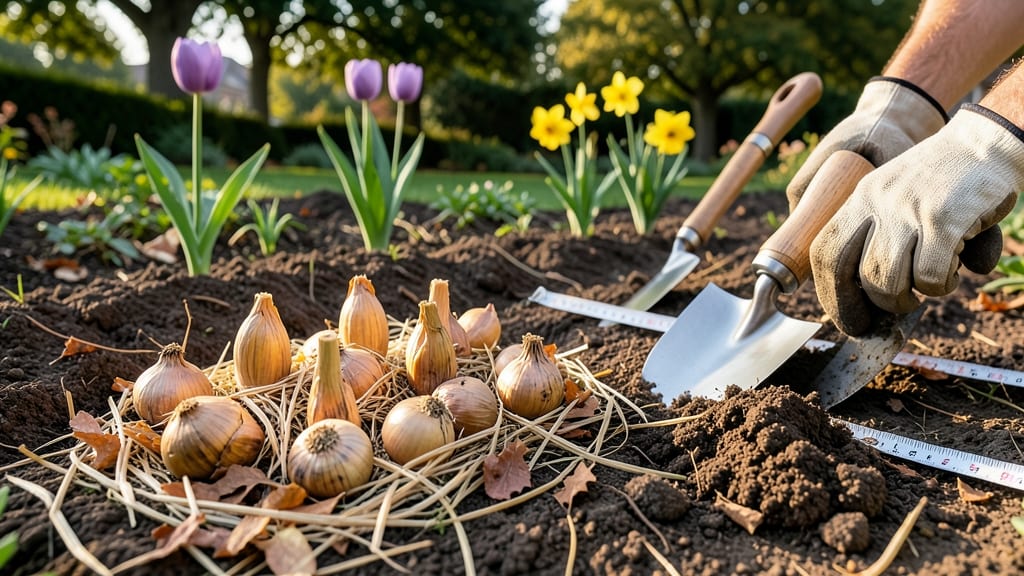
Planting your fall bulbs 🌱 in Zone 4 at the wrong time could mean frozen roots or weak blooms next spring—but getting the timing right guarantees vibrant flowers that survive even the harshest winters.
Most gardeners in Zone 4 wait until late September to mid-October, but the key is planting when soil temperatures drop to 50-60°F—about 6-8 weeks before your first hard frost. This window gives bulbs enough time to root deeply before winter sets in.
If you plant too early, roots may sprout and get damaged by late-season heat. Too late, and frost hits before roots establish. I’ll show you exactly how to adjust for your specific frost dates and microclimate—so you never miss the perfect moment.
Ready to unlock foolproof blooms? Let’s dive into the most important factors for Zone 4 success, from soil prep to bulb selection, so your garden wakes up next spring with a burst of color.
Ideal planting window for fall bulbs in Zone 4 (with exact dates)
Zone 4’s short growing season demands precision when planting fall bulbs. Aim for a 6-8 week window before your area’s first hard frost, typically between late September and mid-October. This timing ensures bulbs root before winter dormancy sets in.
Soil temperature is your best indicator. Bulbs need 50-60°F soil to start rooting. Use a soil thermometer to check—if temps drop below 50°F consistently, it’s time to plant. In northern Zone 4 (e.g., Duluth, MN), this might mean planting by September 15.
Regional variations matter! Cities like Chicago, IL or Detroit, MI often have later first frosts (around October 10-15), giving you a slightly extended window. Check your local frost dates using the USDA Plant Hardiness Zone Map.
| Zone 4 Region | Ideal Planting Window | Soil Temp Threshold | Notes |
|---|---|---|---|
| Northern Zone 4 (e.g., Duluth, MN) | Late August–September 15 | 50–55°F | Early frost risk; prioritize cold-hardy bulbs. |
| Central Zone 4 (e.g., Chicago, IL) | Mid-September–October 10 | 55–60°F | Moderate frost dates; flexible window. |
| Southern Zone 4 (e.g., Cincinnati, OH) | Late September–October 15 | 55–60°F | Later frosts; can plant slightly later. |
Missed the window? Don’t panic. If your soil is still workable and above 50°F, you can plant up to 2 weeks before frost. Bulbs like daffodils and crocuses are more forgiving than tulips or hyacinths, which need extra time to root.
For container gardening, plant bulbs in pots 4-6 weeks earlier than ground planting. Containers cool faster, so use insulated planters or move pots to a protected location (like a garage) if frost threatens prematurely.
Pro tip: Plant deeper in colder microclimates (e.g., 6 inches deep for tulips, 8 inches for daffodils). Extra soil acts as insulation against freeze-thaw cycles, protecting tender roots.
Use a moisture meter to check soil conditions. Bulbs need consistent moisture but hate soggy soil. Water deeply after planting, then mulch with 2–3 inches of straw to retain warmth and moisture.
Remember: Early planting isn’t better. If you plant too soon (e.g., July or early August), bulbs may sprout prematurely and get fried by summer heat. Wait until late summer when daytime temps drop below 80°F.
Track your garden’s progress with a planting journal. Note your exact planting dates, bulb varieties, and next year’s bloom success. Over time, you’ll refine your Zone 4 timing like a pro! 🌱
How to adjust planting time for early vs. late frost years in Zone 4
Zone 4’s unpredictable frost dates can turn your fall bulb planting into a guessing game. One year, you’ll have 6 extra weeks of warm soil—other years, frost hits by September 15. The key is flexibility: knowing how to push planting earlier or delay safely based on your microclimate.
Start by checking your local frost-risk calculator (like the National Weather Service or Old Farmer’s Almanac). These tools predict first hard frost dates with 80% accuracy. For example, Detroit’s average first frost is October 10, while Chicago’s can arrive by September 25.
Plant bulbs 6-8 weeks before your predicted frost date for ideal root growth.
Pushing Planting Earlier in Zone 4
- ✅ Extends root development in warm soil
- ✅ Reduces early frost damage risk
- ✅ Works for tender bulbs (tulips, hyacinths)
- ❌ Requires row covers or greenhouse
- ❌ Higher watering needs in hot soil
- ❌ Limited time to plant before frost
Delaying Planting Safely
- ✅ Uses cold-hardy bulbs (daffodils, crocuses)
- ✅ Avoids overheating in summer soil
- ✅ Works for late-season planting
- ❌ Smaller root systems before winter
- ❌ Risk of frost heaving in spring
- ❌ Limited bulb selection for late planting
To plant earlier, use floating row covers or low tunnels to extend your season by 2-3 weeks. For example, if frost is predicted for October 1, cover your tulip bulbs planted in mid-September to protect them until roots establish. Water deeply before covering to prevent rot.
If frost arrives earlier than expected, switch to cold-hardy bulbs like daffodils or crocuses, which tolerate -20°F and can be planted until mid-October. Avoid hyacinths or fritillaries, which struggle below 10°F. For late plantings, add 3 inches of mulch (straw or leaves) to insulate bulbs.
Use this Zone 4 frost adjustment rule: For every 5°F colder than average, delay planting by 1 week. For example, if your area averages 25°F but hits 15°F, wait until late October and choose daffodils over tulips.
Check soil temps with a thermometer—aim for 50-60°F at planting depth.
Pro tip: Plant test bulbs 2 weeks early in a protected microclimate (near a south-facing wall) to gauge your local frost timing. Adjust next year’s schedule based on their survival. With these strategies, you’ll bloom on time every spring—no matter how early frost strikes. 🌱