
Plants
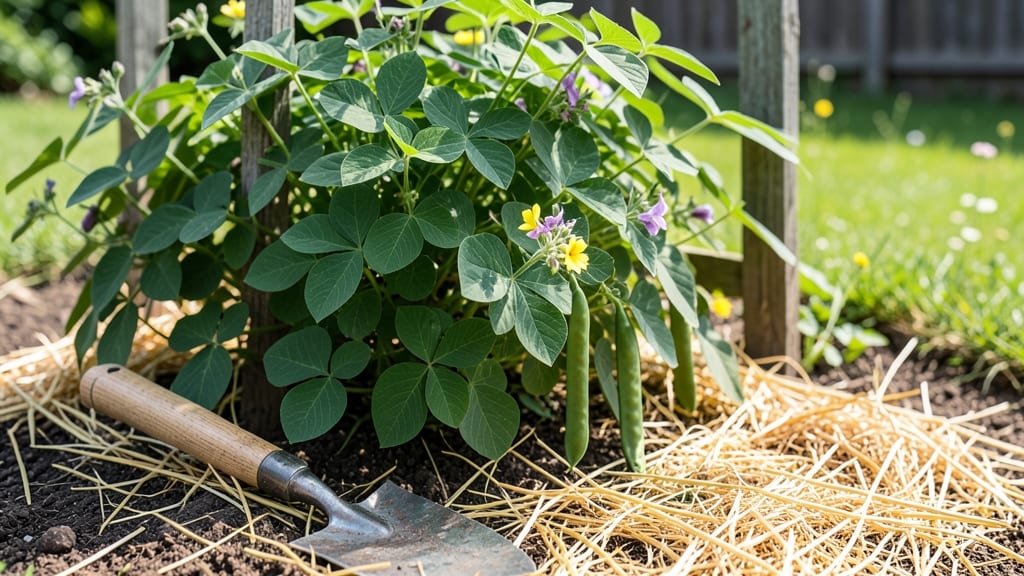
Planting cowpeas in Texas at the wrong time means watching your 🌱 plants wilt before they even reach their full potential.
The key to success isn't just about avoiding frost—it's about timing your seeds with the region's brutal heat cycles, where temperatures can swing from 50°F mornings to 105°F afternoons in just hours.
If you're in North Texas (like Zone 8a), your window starts as early as mid-March, while South Texas gardeners (in Zone 10b) can plant year-round with minimal risk.
But here's the catch: planting too early in the heat can cause your cowpeas to bolt prematurely, leaving you with bitter pods instead of tender harvests.
I've learned the hard way that the sweet spot is after soil temps hit 60°F—and that means different deadlines for every part of the state.
Whether you're aiming for a spring crop or a fall harvest, knowing these heat zone rules will save you from wasted seeds and frustrated gardening.
Let me break down the exact planting timeline for Texas, including how to adjust for extreme heat, the best varieties for your region, and the one mistake that ruins more cowpea gardens than any other. Your next harvest starts with these insights.
Texas heat Zone planting calendar for cowpeas (with frost-free deadlines)
Texas gardeners know that timing is everything when planting heat-loving cowpeas. These drought-tolerant legumes thrive in our 100°F+ summers, but planting too early risks frost damage, while waiting too long can trigger premature bolting.
The key lies in understanding your USDA zone (7-10) and local frost-free dates.
North Texas (Zones 7-8) typically has last frost dates between February 15-March 1, while South Texas (Zones 9-10) often sees no frost after January 1. Cowpeas need warm soil (60°F+) and consistent temperatures above 50°F to germinate properly.
My Texas Heat Zone Planting Calendar breaks down the optimal windows for both spring and fall plantings, including critical heat thresholds.
Here’s the non-negotiable rule: Plant cowpeas 2-3 weeks after your last frost date for spring, and 8-10 weeks before your first frost for fall. In Texas, this means March-April for North Texas and February-March for South Texas.
The calendar below shows exact deadlines by zone to avoid seed failure or stunted growth.
| USDA Zone | Last Frost Date | Spring Planting Window | Fall Planting Window | Critical Heat Threshold | Notes |
|---|---|---|---|---|---|
| Zone 7 (North Texas) | February 15 - March 1 | March 15 - April 15 | August 1 - September 15 | Soil ≥60°F, Air ≥50°F | Use black plastic mulch to warm soil faster. |
| Zone 8 (Central Texas) | February 1 - March 1 | March 1 - April 10 | July 15 - September 1 | Soil ≥65°F, Air ≥55°F | Avoid planting after May 15 to prevent bolting. |
| Zone 9 (South Texas) | January 1 - February 1 | February 15 - March 30 | June 15 - August 15 | Soil ≥70°F, Air ≥60°F | Succession plant every 2 weeks for continuous harvest. |
| Zone 10 (Deep South Texas) | No frost (year-round) | January 15 - April 15 | May 1 - July 15 | Soil ≥75°F, Air ≥65°F | Provide afternoon shade in peak summer (100°F+). |
For Zone 7-8 gardeners, I recommend a second planting in late summer (July-August) to extend your harvest into fall. In these zones, cowpeas planted after May 15 often bolt prematurely due to rising temperatures. Use shade cloth (30-50%) if planting in June or later to prevent stress.
South Texas gardeners (Zones 9-10) have the advantage of year-round growing potential. However, cowpeas planted in peak summer (July-August) may struggle with heat stress unless you provide daily afternoon shade and deep watering (1.5 inches).
My go-to variety for South Texas is 'Purple Hull', which handles 95°F+ temperatures better than most.
One common mistake I see is planting cowpeas too close to frost dates. Even in Zone 10, cowpeas need at least 60 days of warm weather to mature.
If you’re planting in late summer/fall, aim for a harvest before October 15 in North Texas or November 1 in South Texas to avoid seed hardening.
Pro tip: Use a soil thermometer to confirm soil temperatures before planting. Cowpeas won’t germinate well in cold soil (<55°F), even if air temperatures are warm. In Zone 7, I’ve had success using black plastic mulch to raise soil temps by 5-10°F for earlier plantings.
Remember, cowpeas are nitrogen-fixing, so they improve soil health while producing edible pods and seeds. By following this heat zone calendar, you’ll avoid the #1 Texas cowpea failure: planting too early and losing seedlings to frost, or too late and watching them bolt before harvest.
How to adjust cowpea planting for Texas’s extreme heat (avoiding bolting & seed failure)
Texas summers can push temperatures past 100°F, and cowpeas hate it when they bolt too fast. The key to success? Strategic timing, shade, and soil moisture—all designed to keep your plants thriving when the heat hits.
I’ve grown cowpeas in San Antonio and Lubbock, and these tricks have saved my harvests every time.
First, plant in early spring (March-April) or late summer (August-September) to avoid peak heat. If you must plant in June-July, use shade cloth (30-50%) to protect seedlings until they’re established. Even a lightweight row cover can drop soil temps by 10-15°F, giving roots a fighting chance.

Cowpeas in 100°F+ Heat
• Soil temp above 90°F = poor germination and stunted growth
• Daytime temps over 95°F trigger bolting (premature flowering)
• Night temps below 70°F after heatwaves cause stress
✅ Solution: Mulch with straw or wood chips to keep soil 70-85°F
Watering is non-negotiable—cowpeas need deep, infrequent watering (1-1.5 inches per week) to develop strong roots. Drip irrigation is my go-to because it delivers water directly to the base without wetting leaves (which can cause fungal issues).
If you’re using a hose, water in the early morning to let foliage dry before afternoon heat sets in.
For extended heat waves, try succession planting every 2-3 weeks in spring/fall. This ensures a continuous harvest while older plants mature in cooler conditions. I’ve also had luck with intercropping cowpeas with okra or sweet potatoes—the taller crops provide natural shade for the lower-growing cowpeas.
Finally, watch for heat stress signs: wilting leaves, yellowing pods, or plants that bolt overnight. If you see these, prune lower leaves to improve airflow and reduce water slightly (overwatering in heat stresses roots). With these adjustments, your cowpeas will survive—and thrive—in Texas’s fiercest heat 🌡️💧.