
Plants
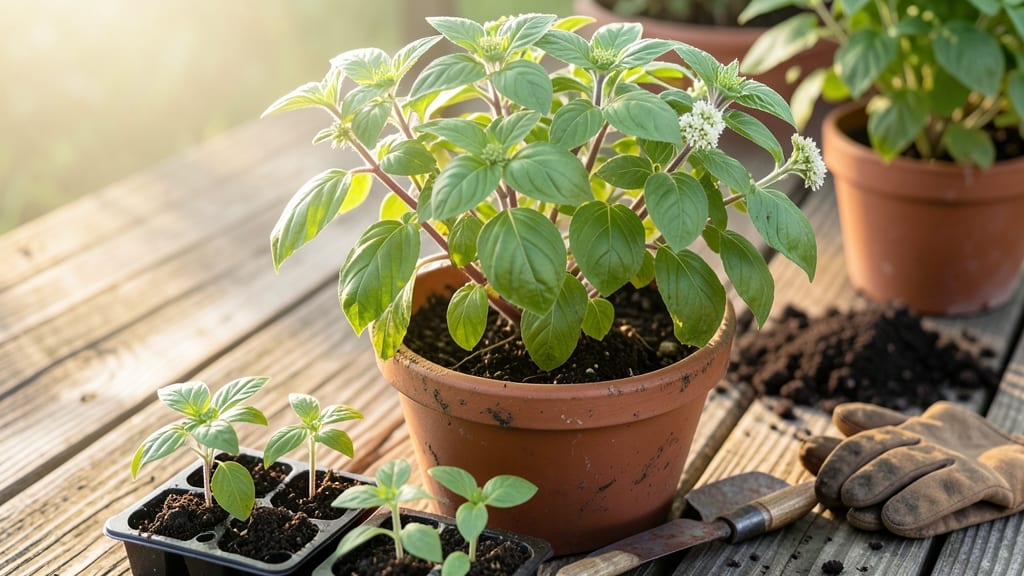
Planting basil in Seattle isn't just about timing—it's about outsmarting the Pacific Northwest's unpredictable spring. That first frost can sneak in as late as April 15, but waiting too long risks missing your summer harvest window.
The sweet spot? Late April to early June, when soil warms to at least 50°F and coastal winds finally settle.
Here's the catch: Seattle's microclimates throw a wrench into the plan. Urban heat islands might push your planting window a week earlier, while coastal areas near Puget Sound could need to wait another week.
The key is checking your local frost-free dates and watching for those consistent daytime highs of 60°F—your basil's green light to grow.
Once you've nailed the timing, you'll want to know how to stretch that harvest from June through September. We'll cover everything from soil prep tricks to companion plants that keep pests away. Even if you're growing in containers, these strategies will help you beat Seattle's short growing season.
Let's dive into the exact steps to get your 🌿 thriving—whether you're a first-time gardener or a seasoned Seattle green thumb looking to maximize your basil bounty. The secret to zero-frost survival starts now.
Seattle’s ideal basil planting windows: frost-free timing guide
Seattle’s coastal climate creates unique challenges for growing basil. The city’s USDA Zone 8a/8b classification might suggest mild winters, but late frosts can still occur until mid-April. Meanwhile, urban heat islands in areas like Ballard or Fremont can push temperatures higher than coastal regions like West Seattle.
These microclimates mean your planting window could vary by 2-3 weeks depending on location.
Basil thrives in warm conditions and won’t tolerate frost. Even a light frost can damage young plants, while heatwaves above 90°F can stress mature plants. Seattle’s average last frost date is April 15th, but coastal areas may experience frost until May 1st.
To maximize your harvest, aim to plant after these dates when soil temperatures reach at least 50°F.
Here’s a quick reference for Seattle’s basil planting windows based on microclimates:
| Microclimate | Last Frost Date | Ideal Planting Window | Harvest Window | Key Consideration |
|---|---|---|---|---|
| Coastal (West Seattle, Bainbridge) | May 1st | Late May - Early June | July - September | Cooler temps; extend with row covers |
| Urban (Ballard, Fremont) | April 15th | Mid-April - Late May | June - September | Warmer microclimate; watch for heat stress |
| Eastside (Bellevue, Kirkland) | April 1st | Early April - Mid-May | May - October | Earlier start; longer growing season |
| Containers (Anywhere) | April 15th | Late April - Early June | June - September | Move indoors if frost threatens |
For container gardening, you have more flexibility since you can move pots indoors if frost threatens. Start seeds indoors 6-8 weeks before your target planting date (around March 1st) to give seedlings a head start.
Harden off seedlings for 7-10 days before transplanting to avoid shock from temperature swings.
Seattle’s short growing season (about 165 frost-free days) means basil needs to mature quickly. Choose fast-maturing varieties like Genovese or Sweet Basil, which can reach harvestable size in 45-60 days. If you plant too late, your basil may bolt (flower) prematurely, reducing leaf production and flavor quality.
Watch for heatwave warnings in late summer. When temperatures exceed 85°F, basil can become stressed, leading to yellowing leaves or bolting. Provide afternoon shade with shade cloth or move containers to a shadier spot. Mulching with straw or wood chips helps retain moisture and regulate soil temperature.
If you miss the spring window, don’t despair! You can try a fall planting in late August for a late-season harvest. Use row covers to protect young plants from early October frosts. Just be prepared to harvest quickly before the first frost hits around mid-October.
For urban gardeners, consider vertical gardening or hanging baskets to maximize space and sunlight exposure. South-facing walls or balconies are ideal for 6+ hours of sunlight.
If your space gets less than 4 hours of sun, basil may become leggy and less flavorful—consider using a grow light for 12 hours daily.
Always test your soil before planting. Seattle’s soil is often acidic and compacted. Amend with compost or aged manure to improve drainage and fertility. Basil prefers a pH between 6.0-7.0. A simple soil test kit (available at garden centers) can help you adjust pH if needed.
Pro tip: Mark your calendar for June 21st, the summer solstice. This is when Seattle’s days start getting shorter, signaling the beginning of the end for your basil’s outdoor growing season. Plan to harvest aggressively or bring plants indoors before September 1st to extend their life.
Basil varieties that thrive in Seattle’s short growing season
Seattle’s 140-160 day growing season demands basil varieties that mature quickly and tolerate cool nights. Slow-growing types like Genovese may struggle, while fast-maturing varieties like 'Sweet Basil' or 'Spicy Globe' give you that zero-frost harvest before fall sets in.
The secret? Choosing varieties that hit 45-60 days to maturity—just enough time to beat Seattle’s first frost around October 15.
Cold-tolerant options like Thai basil (which handles 50°F nights) or purple basil (disease-resistant) are my go-to picks for Seattle’s USDA Zone 8a/8b. These varieties not only survive cooler springs but also add visual interest to your garden beds.
For container growers, compact types like 'Dwarf Basil' (8-12 inches tall) maximize space while still delivering flavor.
Here’s the catch: Succession planting works best with short-day varieties. Plant your first batch in late April, then add a second round in early June to stretch your harvest.
This two-phase approach ensures you’re not left with bolting plants when summer ends abruptly. Even in Seattle’s coastal microclimates, this strategy extends your basil season by 3-4 weeks.
| Variety | Days to Maturity | Cold Tolerance | Best For |
|---|---|---|---|
| Sweet Basil | 45-50 days | 50°F nights | Classic pesto, containers |
| Thai Basil | 50-60 days | 50°F+ nights | Asian dishes, cooler climates |
| Purple Basil | 55-65 days | 55°F nights | Disease resistance, ornamental |
| Dwarf Basil | 40-45 days | 50°F nights | Containers, small spaces |
| Genovese | 60-70 days | 60°F+ nights | Late starts, heat lovers |
If you’re growing basil in Seattle’s urban heat islands (like South Lake Union), you can push the envelope with heat-loving varieties like Genovese. These areas often see 5-10°F warmer nights, giving you an extra 2-3 weeks of growing time.
However, coastal areas near Puget Sound should stick to cold-hardier types to avoid stunted growth from chilly marine air.
Pro tip: Start seeds indoors 4-6 weeks before your target planting date (mid-March for Seattle). This head start ensures your basil hits the ground running when soil temps finally warm. Use grow lights to simulate 14+ hours of light—critical for preventing leggy seedlings.
Once hardened off, transplant outdoors after your last frost date (typically April 15), but always check your local microclimate.
Remember: Basil hates cold soil. Even if air temps are warm, soil needs to reach 50°F before planting. Use a soil thermometer to avoid false starts.
With the right variety and timing, you’ll be harvesting aromatic leaves from June through September—just in time for Seattle’s famous tomato-basil sandwiches! 🌿