
Plants
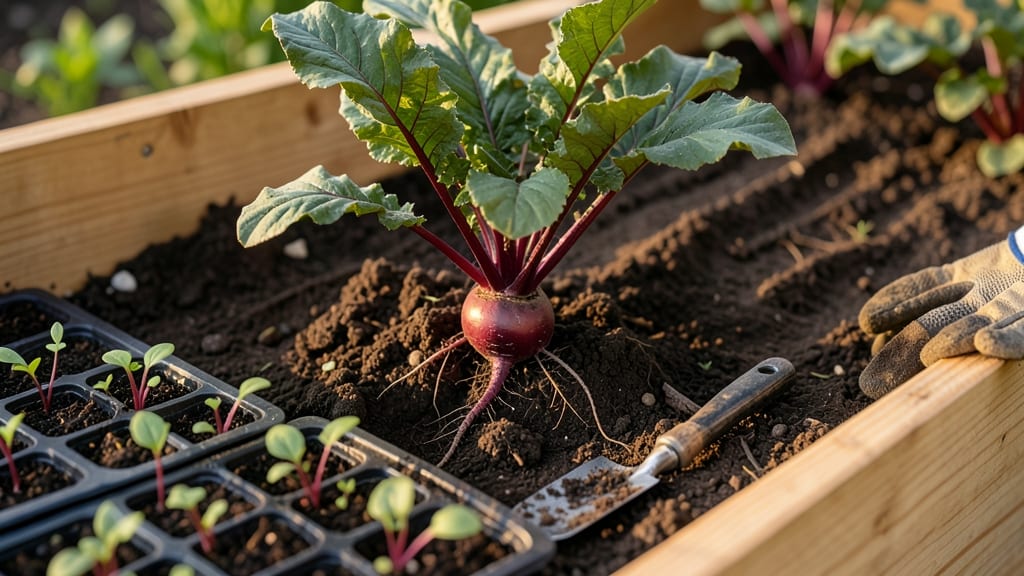
To plant fall beets in Zone 6 and avoid bitter, woody roots, timing is everything—especially when soil temperatures drop. The 4-6 week window before your first frost (around October 15) gives you the perfect balance of warmth for germination and cooler days to prevent bolting.
But get it wrong, and you’ll end up with tough greens instead of those sweet, tender 🥕 you’re craving.
Most gardeners in Zone 6 (General) rush to plant too late, only to watch their beets bolt or struggle in cold soil. The secret? Start when daytime temps hover around 70°F but nights dip below 60°F—this sweet spot keeps roots growing while tops stay manageable.
I’ve learned the hard way that waiting until September’s last week can mean missed harvests if frost sneaks in early.
What you’ll discover here is how to read your soil’s temperature cues, adjust for Zone 6’s microclimates, and even salvage a late planting with simple tricks.
Whether you’re a first-timer or a seasoned grower, these soil secrets will help you extend your beet harvest well into winter—without the stress of bolting or frost damage.
Ready to unlock the ideal planting window>? Let’s dive into the exact dates, soil checks, and backup plans that’ll keep your beets thriving until the ground freezes. No more guesswork—just crisp, flavorful harvests every time.
Optimal soil temperature ranges for fall beet planting in Zone 6
Getting your soil temperature right is the secret to growing sweet, tender beets in Zone 6’s fall garden. Unlike spring planting, fall beets need cooler soil to prevent bolting—the bitter, flowering stage that ruins their flavor.
Aim for 60-75°F at planting to kickstart germination, then let temps drop to 55-65°F as they grow. This balance is critical for Zone 6’s short growing season between summer heat and winter frost.
Zone 6 spans 6a (colder) and 6b (warmer) sub-zones, so your ideal planting window shifts slightly. In 6a areas (e.g., northern Indiana, upstate New York), soil cools faster—start seeds by mid-August for harvests before hard frost.
In 6b regions (e.g., central Virginia, parts of Missouri), you can push planting until early September thanks to slower cooling soils. Always check your last frost date (typically October 15) and plant 60-70 days before it.
A soil thermometer is your best tool for precision. Stick it 2-3 inches deep (where beet seeds germinate) and monitor temps twice daily—morning and evening. If your soil runs above 80°F, delay planting or use shade cloth to cool it.
For a DIY test, press your hand into the soil: if it feels warm but not hot (like a lukewarm bath), it’s likely in the 60-75°F sweet spot.
| Stage | Soil Temp (°F) | Zone 6a Window | Zone 6b Window | Action |
|---|---|---|---|---|
| Germination | 60-75°F | Mid-August | Early September | Plant seeds ½" deep |
| Seedling Growth | 55-65°F | Late August | Mid-September | Thin to 2-3" |
| Bulb Development | 50-60°F | Early October | Late October | Harvest before frost |
| Critical Warning | Below 40°F | Mid-October | Early November | Use row covers |
Microclimates within Zone 6 can shift your ideal window by 1-2 weeks. For example, urban areas with pavement and buildings often stay 5-10°F warmer than rural spots, delaying soil cooling.
If your garden sits in a sunny, south-facing bed, soil may stay too warm—try planting in a shadier, north-facing spot or use black plastic mulch to absorb and retain heat for early starts.
To test soil without a thermometer, dig a 6-inch hole in your garden bed and fill it with water. Wait 5 minutes, then feel the water’s temperature with your finger. If it’s warm to the touch, your soil is likely above 70°F—wait a few days before planting.
For cooler soils (60°F or below), the water will feel chilly, signaling it’s safe to sow seeds.
Adjust your planting strategy based on beet variety. Heat-tolerant types like ‘Detroit Dark Red’ can handle slightly warmer soils (up to 78°F), while cold-hardy varieties like ‘Golden Beet’ thrive in 50-60°F soils.
If your soil is too hot for your chosen variety, try succession planting: sow a small batch every 10-14 days until early September to spread out your harvest and reduce bolting risks.
Once your beets are in the ground, monitor soil temps weekly. If evening temps drop below 50°F, use row covers or straw mulch to insulate roots and prevent stunting.
In Zone 6a, you might need these tools by mid-October, while Zone 6b gardens can often harvest straight through until late October without protection.
Remember: consistency is key. Fluctuating soil temps between day and night can stress beet seedlings, leading to poor germination or uneven growth. If your mornings are cool (50-55°F) but afternoons spike to 80°F+, consider using shade cloth (30-50%) during peak sun hours to stabilize temps.
This simple trick can double your success rate in tricky fall conditions.
Pro tip: Keep a gardening journal to track soil temps and planting outcomes. Note which varieties perform best in your microclimate and when you hit the sweet spot for germination.
Over time, you’ll fine-tune your fall beet schedule to perfection—no more bitter surprises, just crisp, sweet roots all season long. 🥕
Best planting windows by seed type (bolt-resistant vs. traditional varieties)
Not all beet varieties play nice in Zone 6’s fall cooling rush. Heat-tolerant types like ‘Detroit Dark Red’ need earlier starts, while cold-hardy varieties like ‘Golden Beet’ can handle late September plantings.
The key? Match your seed to your 4-6 week frost window—and account for bolting risks when nights dip below 50°F.
For traditional varieties, aim to sow seeds 4-5 weeks before your first frost (around September 15-20 in Zone 6).
These types thrive in warmer soil (60-70°F) but bolt faster when days shorten. Bolt-resistant varieties, however, can wait until late September (Sept 25-Oct 5)—their genetic tweaks delay flowering even as temps drop.
Here’s the breakdown: traditional types need 60-70 days to maturity, while bolt-resistant varieties stretch to 70-80 days. That extra time lets you push planting later without sacrificing harvests.
I’ve found ‘Chioggia’ (striped) and ‘Cylindra’ (long, smooth) hold up best in fall’s chill, while ‘Detroit’ bolts faster if planted after September 10.
| Variety Type | Best Planting Window | Days to Maturity | Bolting Risk | Notes |
|---|---|---|---|---|
| Traditional (e.g., 'Detroit Dark Red') | Sept 15-20 | 60-70 days | High after Sept 10 | Sweetest in warm soil; needs early start |
| Bolt-Resistant (e.g., 'Golden Beet') | Sept 25-Oct 5 | 70-80 days | Low even in cold | Tolerates cooler soil; extends harvest |
| Succession Planting (e.g., 'Chioggia') | Aug 15 + Sept 1 | 60-75 days | Moderate (staggered) | Staggered harvests prevent bolting |
Pro tip: Use succession planting to double your harvest. Sow a small batch in mid-August for early fall beets, then follow up with bolt-resistant seeds in early September. This way, you’ll have crisp roots in October and milder greens in November—even if frost hits early.
If you’re pushing the envelope with late plantings, shade cloth (30-50%) can buy you 10-14 extra days of growth by reducing heat stress. I’ve seen ‘Cylindra’ beets thrive under cloth until October 20 in Zone 6b—just remove it by noon daily to avoid overheating.
Remember: Soil temp matters more than air temp. Test with a soil thermometer—aim for 55-65°F at planting. If it’s cooler, wait or use black plastic mulch to warm it up. Your beets will thank you with sweet, tender roots instead of bitter bolts.