
Plants
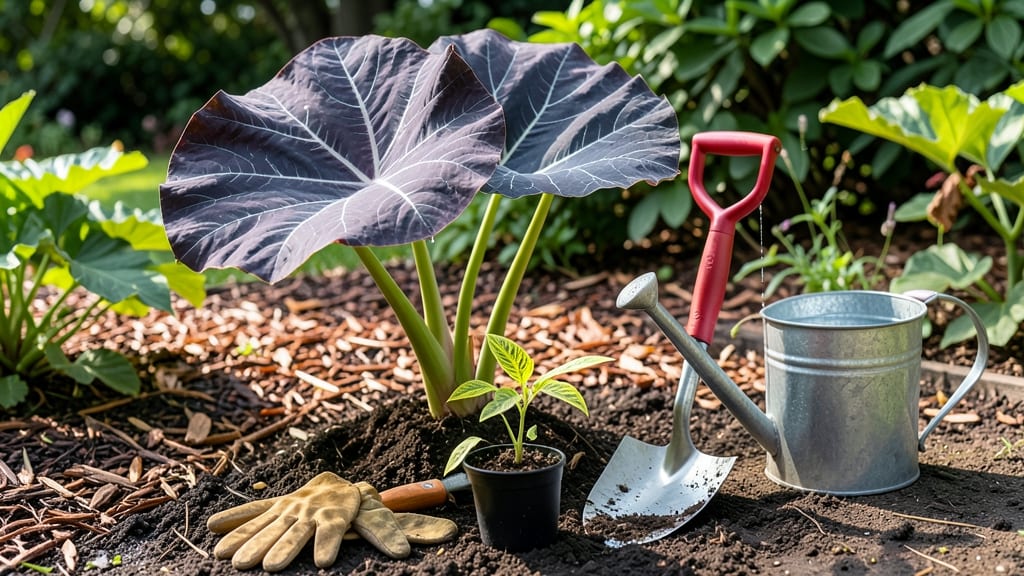
Planting elephant ears 🌿 in Oklahoma’s 6b-7a zone feels like a high-stakes game of timing—get it wrong, and your stunning foliage might never reach its full potential.
The key isn’t just waiting for spring; it’s catching that sweet spot after the last frost when soil temperatures finally climb to a cozy 60°F or warmer.
Most gardeners in Oklahoma rush to plant as soon as the calendar hits April, but that’s a recipe for disappointment. Your elephant ears need consistency: warm soil and steady warmth to thrive, not the rollercoaster of Oklahoma’s unpredictable spring weather.
If you plant too early, you risk stunted growth or even frost damage when those late-night chills sneak in.
Here’s the game-changer: aim for late April to early June, when the air and soil have settled into reliable warmth. This window gives your elephant ears the best shot at becoming the bold, statement-making foliage you’re dreaming of—without the stress of fluctuating temperatures or missed growth opportunities.
I’ll walk you through exactly how to tell when your Oklahoma garden is truly ready, from soil checks to microclimate tweaks that make all the difference. Let’s get those elephant ears off to the strongest start possible.
Optimal planting windows for elephant ears in Oklahoma’s heat Zone 7b
Timing your elephant ear (Colocasia) planting in Oklahoma’s Heat Zone 7b is all about balancing soil warmth and frost risk. The last average frost date here is April 15–May 1, but soil temperatures must reach 60°F or higher before planting.
Waiting too long risks heat stress, while planting too early exposes tender tubers to late frosts or stunted growth.
Most Colocasia varieties thrive when planted after May 1, but early spring plantings (late April) are possible in microclimates with warmer soil, like urban gardens with heat-absorbing pavement. Rural areas with cooler nighttime temps should wait until mid-May for safety.
Soil temperature is your best gauge—use a soil thermometer to confirm 60°F+ at 4-inch depth. In Oklahoma’s variable climate, a 3-week delay between last frost and planting can mean the difference between lush foliage and wilting leaves.
Urban gardens often warm up faster due to heat islands, while rural areas may need row covers for early plantings. Aluminum foil mulch can accelerate soil warming by 5–10°F, helping you plant 2 weeks earlier if needed.
Heat Zone 7b brings intense summer sun, so late plantings (June) may struggle with heat stress unless given afternoon shade. Early June is the absolute deadline for container-grown plants, as tubers need 6–8 weeks to establish before Oklahoma’s brutal July heat.
| Planting Window | Soil Temp Requirement | Frost Risk | Best For | Notes |
|---|---|---|---|---|
| Late April (Urban) | ≥60°F | Low (if soil warm) | Urban gardens | Use foil mulch; monitor temps |
| Mid-May (Rural) | ≥65°F | None | Rural areas | Ideal for most OK gardens |
| Early June (Containers) | ≥70°F | None | Potted plants | Provide afternoon shade |
| Avoid July+ | N/A | N/A | Not recommended | Heat stress risk |
Early plantings (late April) reward you with longer growing seasons, but late frosts can still occur. Hardy varieties like Colocasia esculenta tolerate 50°F nights, while tropical types need consistent warmth. Test soil with a thermometer for 3 consecutive days above 60°F before planting.
In urban Oklahoma gardens, concrete heat can create microclimates 10°F warmer than rural areas. Plant near south-facing walls or dark mulch to accelerate warming. Rural gardeners should prioritize well-draining soil and morning sun to avoid waterlogged tubers.
If you miss the ideal window, container growing extends your options. Black plastic pots absorb heat and can raise soil temps by 5–8°F, letting you plant 2 weeks later than ground plantings. Just ensure drainage holes prevent root rot in Oklahoma’s humid summers.
Remember: Elephant ears are not frost-tolerant, so protect young plants with row covers if unexpected cold snaps hit after planting. Mulch heavily with straw or leaves to insulate tubers and retain moisture during Oklahoma’s dry spells.
Optimal planting windows for elephant ears in Oklahoma’s heat Zone 7b
Timing is everything when planting elephant ears (Colocasia) in Oklahoma’s Heat Zone 7b, where average last frost dates hover around April 15–May 1. The real magic happens when soil temperatures consistently stay above 60°F—a critical threshold for root development.
Planting too early risks stunted growth, while waiting too long may limit your plants’ time to establish before Oklahoma’s brutal summer heat arrives.
For most Oklahoma gardeners, the ideal planting window stretches from late April to early June. This range accounts for the state’s unpredictable spring weather, giving your elephant ears the best chance to thrive.
In northern Oklahoma (Zone 6b), aim for the later end of this window, while southern regions can start slightly earlier if soil conditions are right.
Here’s the key: soil temperature matters more than calendar dates. Use a soil thermometer to confirm your garden bed has warmed to at least 60°F before planting.
In Oklahoma’s clay-heavy soils, this often means waiting until mid-May in many areas. Patience here prevents root shock and ensures vigorous growth once your plants get established.
Elephant Ear Planting Timeline for Oklahoma
| Stage | Action | Oklahoma-Specific Notes |
|---|---|---|
| Early April | Prepare soil | Amend clay soil with compost; avoid working wet soil |
| Late April | Test soil temperature | Wait until consistently above 60°F (use thermometer) |
| May 1–15 | Plant tubers | Ideal window for most of OK; protect from late frosts |
| June 1–15 | Late planting | Only for southern OK; ensure afternoon shade |
Microclimates play a huge role in Oklahoma gardening. Urban areas like Oklahoma City often experience heat islands that warm up faster than rural regions, potentially allowing earlier planting. Conversely, windy areas (like western Oklahoma) may require delaying planting until after May 15 to protect young shoots from drying winds.
Always monitor local weather forecasts for frost advisories—even in May!
Pro tip: If you’re eager to start earlier, consider container planting. Pots warm up faster and can be moved to sheltered spots or even brought indoors during unexpected cold snaps. Just ensure containers have drainage holes to prevent waterlogging, which elephant ears hate.
With the right timing and a little flexibility, your elephant ears will reward you with bold foliage that steals the show all summer long.
Remember, Oklahoma’s summer heat is no joke—planting at the right time sets your elephant ears up for success when temperatures soar. The goal is to give them a strong start before the real heat arrives, typically by mid-June.
With this timing strategy, you’ll be well on your way to growing the most stunning elephant ears in your neighborhood.