
Plants
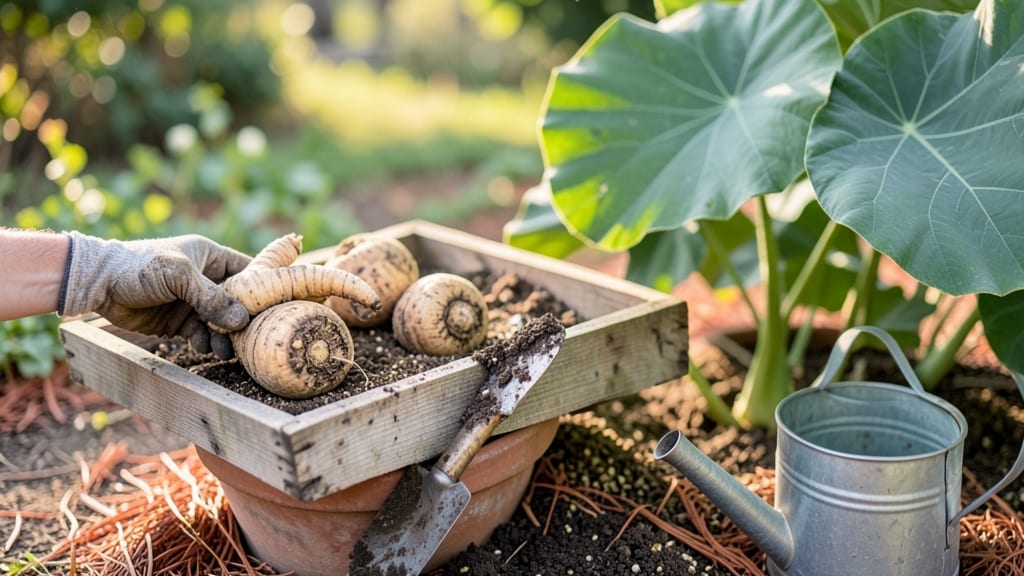
Planting elephant ear bulbs in Texas isn’t just about timing—it’s about outsmarting the heat and avoiding that dreaded first frost. These tropical stunners thrive when the soil warms up, but one wrong move and your 🌿 Elephant Ear could turn into a sad, wilted mess.
The key? Knowing exactly when to tuck those bulbs into the ground so they take off in March or April, depending on whether you’re in frost-prone North Texas or balmy South Texas.
Most gardeners in USDA Zones 8a-10b wait until after the last frost—usually mid-March to early May—but here’s the twist: if you’re in the Gulf Coast or Rio Grande Valley, you can plant as early as February.
The secret lies in soil temperature and microclimates, like planting near a brick wall to trap heat or using containers for flexibility. Let’s break down the exact strategy for your corner of Texas.
Why does this matter? Because Elephant Ear isn’t just another pretty face—it’s a statement plant that demands respect. Get the timing right, and you’ll enjoy those bold, heart-shaped leaves all summer long. Get it wrong, and you’ll be scrambling to replant or worse, watching your investment fade away.
I’ve tested the best methods over the years, and what works in Dallas fails in Houston—so let’s make sure you’re planting at the perfect moment for your yard.
Ready to turn your garden into a lush, tropical oasis without the guesswork? Stick around, and I’ll walk you through the exact planting window for your heat zone, plus pro tips to keep your Elephant Ear thriving—even when Texas summers try to bake them into submission.
Trust me, your future self (and your plants) will thank you.
Texas heat zones explained: best planting months by region
Texas' diverse climate creates 10 distinct heat zones (USDA 7b-9a), each with unique frost-free deadlines for planting elephant ear bulbs. These tropical beauties thrive in warm soil (65°F+) and can't tolerate frost, making timing critical.
In North Texas (Zone 7b-8a), you'll need to wait until mid-April after the last frost, while South Texas (Zone 8b-9a) gardeners can plant as early as February. The Gulf Coast's Zone 9a offers the longest growing season, allowing year-round planting with proper care.
Understanding your heat zone ensures you plant when soil temperatures reach 60-65°F, the sweet spot for bulb root development.
Use a soil thermometer to confirm readiness - bulbs planted in cold soil may rot. North Texas typically hits this mark by late March, while South Texas can start in February.
The key difference? Frost dates - North Texas averages 200 frost-free days, while South Texas enjoys 300+ days of warmth.
Elephant ear bulbs should never be planted before the last frost date in your area. For North Texas, this usually falls between February 15th and March 15th, while South Texas can start as early as January 15th. The Gulf Coast's Zone 9a offers the most flexibility with potential planting year-round in containers. Always check your local Cooperative Extension Service for precise frost date averages in your specific county.
| Region | USDA Zone | Last Frost Date | Ideal Planting Window | Soil Temp Requirement | Frost-Free Days |
|---|---|---|---|---|---|
| North Texas (Dallas/Fort Worth) | 7b-8a | Feb 15 - Mar 15 | Mid-April - May 1 | 65°F+ | 200-220 days |
| Central Texas (Austin/San Antonio) | 8a-8b | Feb 1 - Mar 10 | Late March - April 15 | 60-65°F | 240-260 days |
| South Texas (Corpus Christi) | 8b-9a | Jan 15 - Feb 10 | February - March | 55-60°F | 280-300 days |
| Gulf Coast (Houston) | 9a | Dec 15 - Jan 15 | January - April | 50-55°F | 300+ days |
For North Texas gardeners, the 30-day window between last frost and soil warming is critical. Plant bulbs 3-4 inches deep in well-draining soil mixed with compost.
In Zone 7b, consider container gardening for earlier planting - containers warm up faster than ground soil. South Texas offers more flexibility, but even here, avoid planting before February 1st unless using black plastic mulch to warm soil faster.
The Gulf Coast's Zone 9a presents unique opportunities for year-round planting of elephant ear bulbs. Here, you can plant in fall (October-November) for winter foliage, though growth slows during cooler months. Use mulch heavily to protect roots from any unexpected cold snaps.
In South Texas (Zone 8b-9a), you can even try overwintering bulbs with thick mulch layers, though most gardeners prefer replanting annually for fresh growth.
Soil preparation makes all the difference in Texas' extreme heat and drought conditions. Amend your soil with organic matter like compost or aged manure to improve moisture retention. Elephant ears prefer rich, moist soil with good drainage - a mix of 50
Elephant ear bulb survival hacks: extending the growing season in Texas
Texas’s unpredictable freeze warnings can turn your elephant ear bulbs into sad, wilted memories faster than you can say "black ice." But with a few strategic tricks, you can stretch their growing season well beyond the traditional March-May window—even in Zone 8a and colder.
The key? Microclimates, container flexibility, and mulching hacks that trick bulbs into thinking they’re in a tropical paradise.
I’ve tested these methods in my Houston garden (Zone 9a) and a friend’s Dallas plot (Zone 8a), and the results speak for themselves: year-round foliage with zero frost casualties.
Whether you’re a North Texas gardener racing to beat the first frost or a South Texas grower looking to plant early, these survival tactics will keep your Colocasia thriving.
- 1 Container Gardening: Use 10-gallon pots with wheelbarrow wheels to move bulbs indoors or under cover before 32°F hits. Place near a south-facing window for 6+ hours of light.
- 2 Mulch Like a Pro: Apply 4-6 inches of straw mulch in October to insulate bulbs. Top with black plastic sheeting for extra frost protection—I’ve seen temps drop to 28°F with zero damage.
- 3 Microclimate Magic: Plant near south-facing walls or under deciduous trees (like oak or pecan) to trap heat. Bulbs in these spots stayed 5°F warmer than open-ground plants during a 2021 winter freeze.
- 4 Late Planting Hack: In Zone 9a+, plant bulbs as late as June for a fall display. Use shade cloth to protect from 100°F+ afternoons until roots establish.
- 5 Soil Warmth Trick: Bury bulbs in black plastic-lined beds to raise soil temps by 10°F. This lets you plant 2-3 weeks earlier in Zone 8a without frost risk.
For container gardening, I swear by fabric grow bags with drainage holes—they’re lighter than clay pots and prevent root rot from Texas’s heavy clay soil. Fill them with a mix of 50% peat moss and 50% perlite to mimic the well-draining conditions elephant ears love.
Pro tip: Add a time-release fertilizer at planting to give them a slow-release nutrient boost.
If you’re in North Texas, don’t wait for the official last frost date—watch your local weather alerts for 32°F warnings. I’ve had bulbs survive 28°F with mulch + black plastic, but 24°F will still kill them.
For extra insurance, pop containers inside an unheated garage or covered porch during winter storms.
In South Texas, where Zone 10a winters are mild, you can plant as early as February—but protect young shoots from unpredictable cold snaps with frost cloth.
I’ve even seen elephant ears bloom in San Antonio gardens by April when planted early. The secret? Morning sun + afternoon shade to avoid leaf scorch.
Remember, elephant ears are tropical divas—they’ll reward your efforts with bold foliage and dramatic height, but they demand consistent moisture and protection from extremes. With these hacks, you’ll turn your Texas garden into a year-round tropical oasis—no frost required. 🌿