
Plants
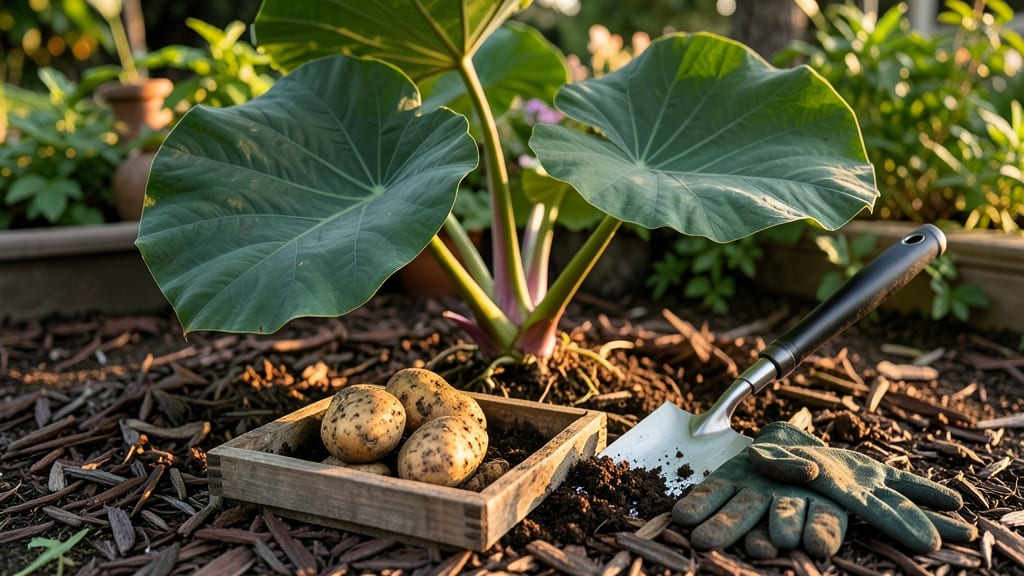
Planting your elephant ear bulbs 🌿 at the wrong time in Georgia could mean struggling through the summer with underwhelming growth—or worse, losing them entirely to unexpected frost. The key to vibrant, thriving foliage lies in understanding when your soil warms up enough to support these tropical-looking beauties.
Most gardeners in USDA zones 7a-8b wait until after the last frost, typically between March and April, but timing it right depends on more than just the calendar. Soil temperature plays a critical role—waiting until it consistently hits 60°F ensures your elephant ears take off without hesitation.
I’ve learned the hard way that rushing the process can leave your tubers sitting in cold soil, delaying growth for weeks. Whether you’re in Savannah’s coastal humidity or Atlanta’s Piedmont region, knowing the signs your soil is ready makes all the difference.
In this guide, I’ll break down exactly how to time your planting for zero-frost success, including soil tests, regional adjustments, and pro tips to keep your elephant ears looking their best all season long.
Georgia’s ideal planting window for elephant ear bulbs based on soil temperature
Timing your elephant ear bulb planting in Georgia isn’t just about avoiding frost—it’s about soil temperature. These tropical beauties need warm soil (at least 60°F) to thrive, and Georgia’s humid subtropical climate creates unique microclimates.
Plant too early, and your tubers may rot; too late, and you’ll miss peak foliage growth. The key? Soil thermometer readings and regional frost-free dates.
Most Georgia gardeners aim for planting between mid-March and mid-April, but this varies by region. Coastal areas like Savannah can plant 2-3 weeks earlier than the Piedmont or mountains. The last frost date is your starting point, but soil warmth is your true guide.
Elephant ears are tender perennials in Georgia—treat them as annuals or dig tubers before winter to protect them.
Why soil temperature matters: Elephant ear tubers won’t sprout until soil reaches 60°F consistently for 5-7 days. A soil thermometer ($10 at garden centers) is your best tool. Without one, watch for local plant hardiness cues, like azaleas blooming (sign of warming soil) or daffodils finishing their cycle—both signal it’s time to plant.
| Region | Last Frost Date | Ideal Planting Window | Soil Temp Cue | Notes |
|---|---|---|---|---|
| Coastal (Savannah) | Mid-February | Late February–Early March | 60°F+ for 5 days | Warmer microclimate; plant earlier |
| Piedmont (Atlanta) | Mid-March | Mid-March–Mid-April | 60°F+ for 7 days | Standard timing for most gardeners |
| Mountains (Blue Ridge) | Late April | Late April–Early May | 65°F+ for 10 days | Cooler soils delay planting |
Use local weather patterns to fine-tune your timing. For example, if your area had an early spring (like 2024’s warm February), you might plant 2 weeks ahead of schedule. Conversely, a late frost (like 2017’s April freeze) means waiting until mid-April for safety.
Check the NOAA Climate Database for your county’s 30-year frost averages—this gives you a baseline to adjust for yearly variations.
Pro tip: Pre-warm your soil in cooler regions. Lay black plastic mulch over planting beds 2 weeks before your target date to raise soil temperature 5–10°F faster.
This is especially helpful in the Blue Ridge Mountains, where soils stay cool longer. Just remove the plastic right before planting to avoid overheating the tubers.
Elephant ears also handle late summer planting in Georgia’s heat zones 7b–8a. For a fall display, plant tubers in early August when soil temps drop below 85°F.
This works best in partial shade gardens, where afternoon heat is less intense. Just be prepared to mulch heavily to protect tubers from early winter frosts.
If you’re unsure about soil temperature, use the "hand test": Stick your hand 6 inches deep into the soil. If it feels warm to the touch (like a hot cup of tea), your elephant ears are ready.
If it’s cool or damp, wait another week. This method works surprisingly well and requires zero tools.
Remember, elephant ear tubers are not frost-tolerant. Even a light freeze (28°F) can kill emerging shoots. In Georgia, this means digging and storing tubers by November 15 in most regions. Mark your calendar now—zero frost damage starts with perfect planting timing.
For container gardening, soil warms faster than in-ground beds, so you can plant 2–3 weeks earlier. Just ensure pots have drainage holes and use well-draining potting mix to prevent rot. Containers also let you move plants indoors before frost, extending their lifespan as tender perennials.
5 Key signs your Georgia soil is ready for elephant ear bulbs (before you plant)
Don’t let your elephant ear bulbs sit in cold soil waiting for spring—knowing these 5 key signs will help you plant at the perfect time for lush, fast growth. In Georgia’s USDA zones 7a-8b, soil temperature and local plant cues are your best indicators, not just the calendar.
First, check if your soil has warmed to at least 60°F, the magic threshold for elephant ear tubers to sprout. You can test this by pressing your finger into the soil—if it feels warm like a cozy bath, it’s ready.
This usually happens 2-4 weeks after your last frost date, but timing varies by region.
Here’s what to watch for before digging in:
Pro tip: If you don’t have a soil thermometer, plant a test tuber in a pot first. When it sprouts within 7-10 days, your garden soil is ready too. This trick saves time and guesswork!
Once you’ve confirmed these signs, plant your elephant ear bulbs 2-3 inches deep in loose, well-draining soil. Amend heavy clay with compost or sand to improve drainage—these tropical plants hate soggy roots. Mulch with straw or pine needles to lock in moisture and warmth.
Timing your plantings this way ensures your elephant ears burst into growth within weeks, not months. I’ve seen mine shoot up 3-4 feet tall in a single season when planted at the right time—now it’s your turn to try it! 🌿