
Plants
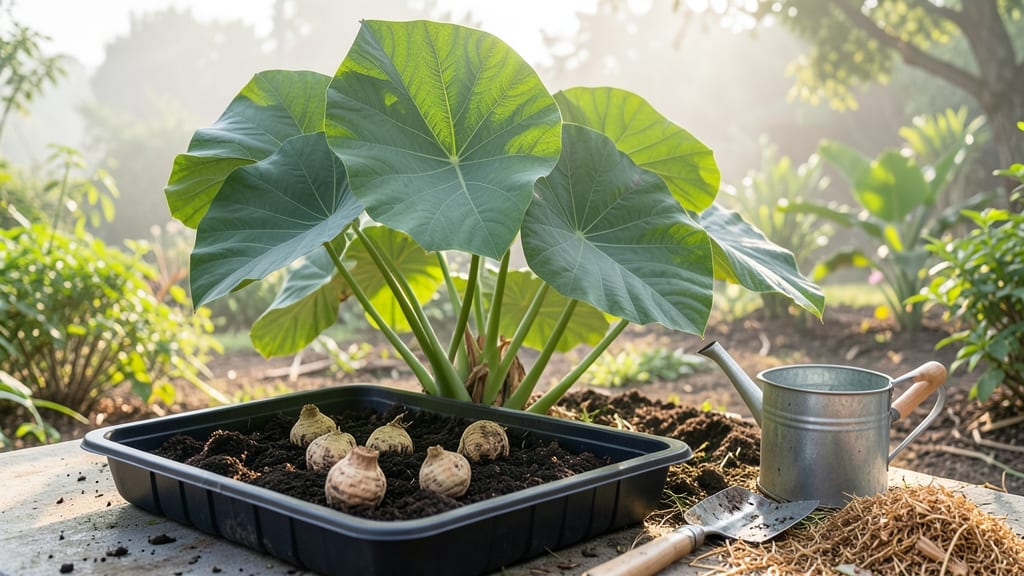
Planting elephant ear bulbs in Missouri at the wrong time could mean watching your bold tropical foliage turn to mush before summer even begins. The key to success? Timing it right after the last frost—typically between mid-April and early June—when soil temperatures hit at least 60°F.
Missouri’s varied climate means your neighbor’s perfect planting window might not work for you. Whether you’re in St. Louis, the Ozarks, or the Bootheel, understanding your microclimate is everything—especially since elephant ear 🌿 thrives in zones 5b-7a but struggles with late frosts.
I’ve learned the hard way that rushing these bulbs into cold soil leads to rot, while waiting too long risks stunted growth. The solution? A step-by-step guide tailored to Missouri’s quirks, from soil prep to mulching tricks that keep roots happy through summer’s heat.
Let’s dive into exactly when—and how—to plant your elephant ears for showstopping summer foliage, so you’re not left with sad, wilted leaves by July.
Missouri microclimate planting zones: when to plant elephant ear bulbs by region
Missouri’s diverse climate means the perfect time to plant elephant ear bulbs varies dramatically from St. Louis to the Ozarks. While most gardeners aim for after the last frost date, Missouri’s microclimates create a 4-6 week window difference between regions.
Understanding your zone helps you avoid frost damage while maximizing summer foliage growth.
Elephant ears (Colocasia varieties) thrive in USDA Zones 5b-9a, but Missouri’s Zone 5b-7a requires careful timing. Northern areas like Kansas City face later springs, while southern regions like the Bootheel can plant earlier.
Even within cities, urban heat islands can shift planting by 1-2 weeks compared to rural areas.
Here’s how to match your location to the ideal planting window, including soil temperature checks and regional adjustments:
| Region | Last Frost Date | Ideal Planting Window | Soil Temp Requirement | Microclimate Notes |
|---|---|---|---|---|
| Northern Missouri (Zone 5b) | April 25-May 5 | Mid-May to early June | 60°F+ consistently | Use black plastic mulch to warm soil faster |
| St. Louis (Zone 6a) | April 15-25 | Late April to mid-May | 58°F+ minimum | Urban areas plant 1 week earlier |
| Ozarks (Zone 6b-7a) | April 1-15 | Late March to April | 55°F+ minimum | Higher elevations delay planting by 10 days |
| Bootheel (Zone 7a) | March 15-April 1 | Early March to late April | 50°F+ minimum | Plant Alocasia varieties only after April 15 |
For St. Louis gardeners, aim for late April when nighttime temperatures stay above 50°F. In Kansas City, wait until mid-May to avoid late frosts that can blacken emerging leaves.
The Ozarks offer the earliest window—plant Colocasia bulbs as soon as soil reaches 55°F in late March, but protect with frost cloth if nights dip below freezing.
Missouri’s Bootheel region can start planting elephant ear bulbs as early as March 15, but only Colocasia varieties handle the mild winters. Alocasia (black velvet elephant ears) need warmer soil and should wait until after April 15.
Test soil with a thermometer—60°F is the magic number for consistent growth.
Pro tip: Use black plastic mulch in cooler zones to raise soil temperatures by 5-10°F, extending your planting window. This trick works especially well in Zone 5b areas where frosts linger into May. Just remove the mulch once leaves emerge to prevent overheating.
Even within cities, microclimates matter. A south-facing urban garden in St. Louis might be 2-3 weeks ahead of a rural farm just 20 miles away. Observe your local last frost date for 3 years to refine your timing—Missouri’s climate shifts yearly.
Remember: Elephant ears are tender perennials in Missouri, meaning they’ll die back in winter. Planting at the right time ensures they establish strong roots before summer’s heat arrives. With proper timing, your ele
Preparing elephant ear bulbs for Missouri’s unpredictable spring: soil, sun, and survival tips
Missouri’s spring weather can be as fickle as a toddler’s mood—one day warm, the next a surprise frost. For elephant ear bulbs, this unpredictability means the difference between lush tropical foliage and sad, wilted leaves. The key is preparing your soil and site before planting, not after.
These Colocasia varieties love rich, moist soil but despise soggy roots or cold temperatures. In my Zone 6b garden, I’ve learned that amending the soil with compost and peat moss mimics their native tropical conditions. Without this step, even the hardiest bulbs struggle to establish roots.
🌱 Key Takeaway: When to Plant Elephant Ear Bulbs in Missouri
Once you’ve prepped the soil, focus on sun exposure. In southern Missouri (Zones 7a-7b), these plants handle morning sun beautifully, but their leaves scorch by noon. Up north in Zone 6a, I’ve had better luck with dappled shade—think filtered light under tall trees.
After planting, mulching is non-negotiable. A thick layer of straw or shredded leaves (3-4 inches) acts like a blanket, protecting roots from late spring frosts and summer heatwaves. Last year, my unmulched elephant ears wilted during a 95°F heatwave, while the mulched ones thrived.
Watering is another critical factor. These bulbs need consistently moist soil, but they’ll rot if waterlogged. I use a soaker hose to deliver water slowly at the base, keeping the foliage dry to prevent fungal diseases like leaf spot.
Finally, remember that Missouri’s winters will kill these tropical plants back to the ground. If you want to replant next year, dig up the bulbs before the first frost (usually mid-October) and store them in dry peat moss in a cool, dark place until spring.