
Planting
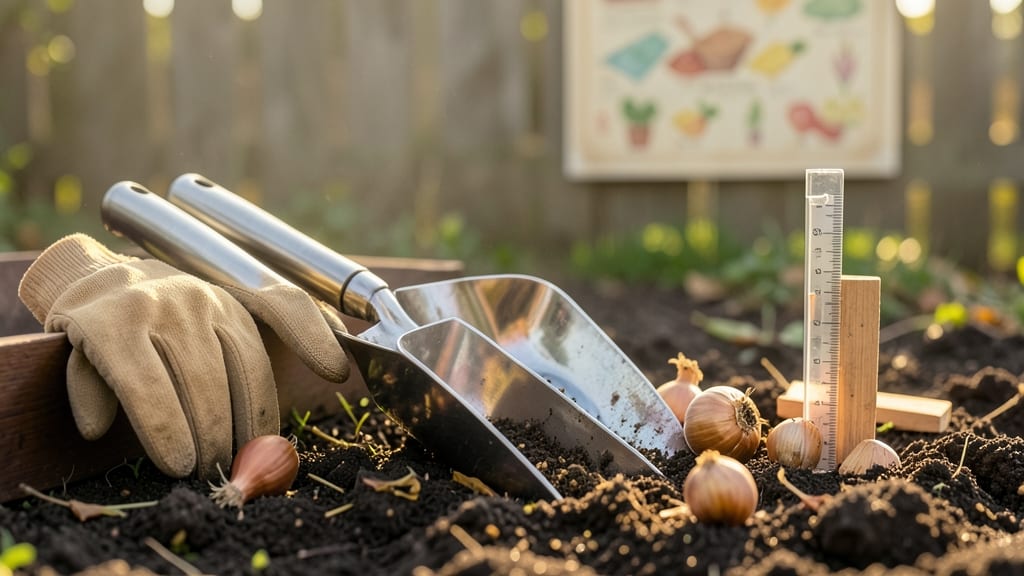
Planting bulbs at the wrong time can mean the difference between a garden bursting with color and a sad, empty flowerbed—so getting the timing right is everything. The secret lies in understanding chill-hour requirements and soil temperatures, which vary wildly depending on whether you're planting in fall or spring.
For USDA Zone 6a, where many gardeners live, the window is narrow but critical: September through November for fall planting or March through April for spring.
Most gardeners assume "as soon as the ground is cool" is the right cue, but that’s not always true. Tulips, daffodils, and crocuses all need different conditions to thrive, and planting too early or too late can leave your 🌱 bulbs vulnerable to frost or rot.
I’ll break down the exact soil temperatures and chill-hour rules you need to know—so you can plant with confidence and watch your garden explode with blooms next season.
If you’ve ever dug in the dirt only to have your bulbs fail to sprout, you’re not alone. Many gardeners make the same mistakes, like planting too shallow or ignoring their region’s frost dates.
But with the right timing—and a few pro tips—I’ll show you how to avoid those pitfalls and set your bulbs up for success, whether you’re in a mild climate or one with harsh winters.
Ready to transform your garden? Let’s dive into the science behind perfect planting times, so you can enjoy vibrant flowers year after year without the guesswork.
Chill-hour requirements by bulb type: the hidden rule for perfect timing
If you’ve ever planted bulbs only to watch them fail to bloom, chill-hour requirements are likely the culprit. These hidden rules determine when bulbs wake up from dormancy and prepare to flower. Think of them as nature’s countdown timer—most bulbs need 6 to 12 weeks below 45°F to trigger blooming.
Without enough cold exposure, your tulips might sprout leaves but refuse to flower, leaving you with a sad, leafy disappointment instead of vibrant blooms.
Your USDA hardiness zone plays a huge role here. For example, gardeners in Zone 5 might plant bulbs in early October, while those in Zone 8 could wait until December. The key is understanding how your local climate aligns with each bulb’s chill-hour needs.
Even a few degrees difference can push your planting window earlier or later by weeks, making timing everything.
Chill hours aren’t just about temperature—they’re about duration. A bulb planted too late might not get enough cold exposure before spring arrives, while one planted too early could rot in soggy soil. The sweet spot? Plant bulbs when soil temps drop to 50-60°F and ground remains workable. This balance ensures roots establish before winter sets in.
| Bulb Type | Chill-Hour Needs | Ideal Planting Window (USDA Zone 5) | Adjustments for Warmer Zones |
|---|---|---|---|
| Tulips | 8-12 weeks below 45°F | Mid-October to early November | Zone 7+: Wait until November-December |
| Daffodils | 6-8 weeks below 45°F | Late September to mid-October | Zone 8+: Can plant in December |
| Crocus | 4-6 weeks below 45°F | Early October to November | Zone 9+: Plant in November-December |
| Hyacinths | 10-12 weeks below 45°F | Mid-September to October | Zone 6+: Plant by November |
| Allium | 6-8 weeks below 45°F | Late September to October | Zone 7+: Can plant in November |
Let’s take tulips as an example. These divas need 8-12 weeks of cold to bloom spectacularly. In Zone 5, that means planting them by early November to ensure they get enough chill before spring.
But in Zone 8, where winters are milder, you’ll need to plant them in December to meet their chill-hour demands. Skipping this step often results in tulips that produce leaves but no flowers—a heartbreaking letdown for any gardener.
For daffodils, the chill-hour window is slightly shorter (6-8 weeks), making them more forgiving for gardeners in warmer zones. They’re also more resilient to early planting, which is why they’re a favorite for beginners.
However, even daffodils need the right timing—planting them too early in cold climates can lead to rot, while planting too late might delay blooming until late spring.
If you’re in a warmer climate (Zones 7-10), you might need to get creative. Some gardeners pre-chill bulbs indoors by placing them in a refrigerator for 6-8 weeks before planting. Others opt for cold-hardy varieties like Siberian crocus, which thrive with minimal chill hours.
Always check the back of bulb packages for specific recommendations—they often include chill-hour requirements and planting tips tailored to your region.
One common mistake is assuming all bulbs have the same chill-hour needs. Spring-planted bulbs, like caladiums, don’t need chill hours at all—they’re tropical and prefer warmth. Meanwhile, fall-planted bulbs like tulips and daffodils rely entirely on winter’s cold to trigger blooming.
Mixing up these requirements can lead to failed gardens, so always double-check before you dig.
To make this easier, I recommend marking your calendar with local frost dates and adjusting your planting window accordingly. For instance, if your first frost is October 15, aim to plant bulbs 6-8 weeks before that date.
Use a soil thermometer to confirm temps are dropping—most bulbs prefer soil between 50-60°F when planted. This small step can save you from the disappointment of bulbs that refuse to bloom.
Finally, don’t forget that regional microclimates can shift planting windows. A spot near a lake or in a valley might stay cooler longer, while a hilltop could warm up faster. Observe your garden’s unique conditions and adjust your timing accordingly.
With the right chill-hour strategy, your bulbs will wake up ready to bloom, turning your spring garden into a vibrant masterpiece.
🌱
Soil temperature secrets: when to plant for zero-frost blooms (with exact degree rules)
Perfect timing for planting bulbs isn’t just about the calendar—it’s about soil temperature. Most gardeners focus on frost dates, but bulbs like tulips and daffodils need specific underground conditions to thrive.
For spring bloomers, aim for soil temps between 40-50°F—this signals the bulb to start rooting before top growth emerges. In USDA Zone 6a, this usually falls in March or early April, but your exact window depends on your microclimate.
Fall-planted bulbs, like crocuses and hyacinths, need warmer soil—60-70°F—to encourage root growth before winter dormancy. Planting too early in cool soil can stunt roots, while waiting too long risks frost damage.
The key is balancing these temps with your first frost date, which in Zone 6a is typically around October 15.
Here’s the critical rule: Plant bulbs when soil temps are ideal, not just when air temps drop. A soil thermometer (just $10 at garden centers) is your best tool—insert it 4-6 inches deep for accurate readings.
If your soil runs cooler or warmer than these ranges, adjust your planting date by 1-2 weeks to align with the 40-50°F (spring) or 60-70°F (fall) sweet spots.
⚠️ callout warning⚠️ Danger Zone: Planting Too Early or Too Late
Soil temps below 40°F can cause rot in spring-planted bulbs, while above 70°F in fall may trigger premature sprouting. In Zone 6a, planting tulips in late November risks frost damage, but daffodils (hardier) can handle it. Always check soil temps—not just air temps—to avoid these costly mistakes.
If your soil temps are off-target, don’t panic. For fall planting, you can pre-chill bulbs in the fridge for 4-6 weeks to mimic winter conditions. For spring, use a frost blanket to protect newly planted bulbs if a late frost is forecasted.
These tricks buy you time when Mother Nature doesn’t cooperate.
Pro tip: Test your soil’s warmth at different depths—surface temps can vary wildly from underground readings. In my garden, I’ve found that morning soil temps are 5-10°F cooler than afternoon readings, so I plant in the late afternoon for the most accurate gauge.
This small adjustment has saved my 🌷 hyacinths from multiple failed seasons.
Regional adjustments matter too. Gardeners in Zone 5 should plant 2-3 weeks earlier than Zone 6a, while those in Zone 7 can wait until late October for fall planting. Use your local cooperative extension service for hyper-local advice—many offer free soil temp data for your area.
With these exact degree rules, you’ll never guess again about when to plant bulbs for zero-frost blooms.