
Plants
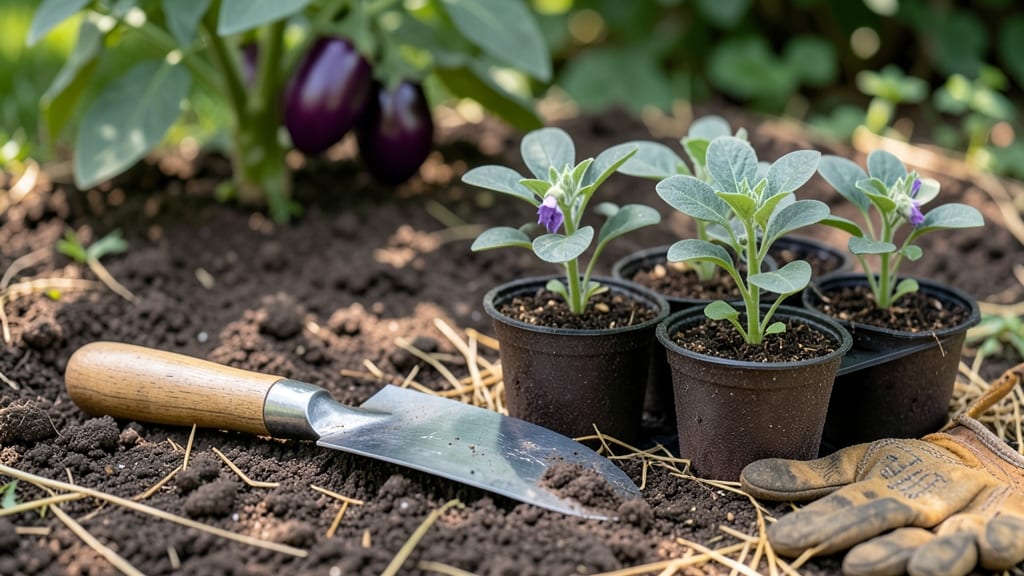
Timing your eggplant 🍆 planting in Florida wrong can mean the difference between a lush harvest and bitter, bolted plants—so let’s get this right from the start.
With 300+ frost-free days and temperatures that swing from balmy springs to scorching summers, knowing when to plant is the key to avoiding stress and maximizing your yield.
Most gardeners in Florida’s 9a-11 zones swear by starting eggplants in March or early April, when soil temps hit 60°F+ and the worst summer heat is still weeks away.
But here’s the catch: if you plant too late—say, after June—your plants will struggle under 90°F+ heat, leading to bolting (that’s when they flower too soon and produce small, bitter fruit).
I’ll break down the exact planting windows for North, Central, and South Florida, plus pro tips to beat bolting—like using shade cloth in peak summer or choosing heat-tolerant varieties. Skip the guesswork and plant with confidence.
Ready to grow eggplants that thrive? Let’s dive into the best months, soil prep, and companion plants that’ll keep your harvest coming from June through November—no matter where you are in the state.
Ideal eggplant planting dates in Florida by region (avoid bolting)
Florida’s frost-free climate makes eggplant a year-round possibility, but timing is everything to prevent bolting—when plants flower too early, producing bitter fruit. The key? Plant when soil temps hit 65°F+ and avoid summer’s 90°F+ heat waves.
North Florida’s cooler pockets require earlier starts, while South Florida’s humidity demands shade protection during peak afternoons.
Eggplants thrive in Florida’s USDA Zones 9a-11, but regional microclimates create dramatic differences. For example, Jacksonville (Zone 8b) needs a staggered approach, while Miami (Zone 11) can plant almost year-round with shade adjustments. Let’s break down the exact planting windows by region to maximize your harvest.
🌱
North Florida gardeners should prioritize spring plantings (March-April) to beat the summer heat. The last frost risk is minimal, but cooler nights in Zone 8b (like Gainesville) mean starting seeds indoors by February 15 for a May 1 transplant.
Use black plastic mulch to warm soil faster and prevent bolting.
Central Florida’s longer growing season (Zones 9a-9b) allows two planting windows: spring (March-April) for summer harvests and late summer (August) for fall yields. The soil temperature must stay above 70°F—test with a soil thermometer before transplanting.
If temps dip below 60°F at night, use row covers or move pots indoors temporarily.
South Florida’s humidity and heat (Zones 10a-11) demand shade cloth during peak afternoon sun (12 PM-4 PM) to prevent bolting. Plant transplants in February for spring harvests or August for fall crops.
Avoid June plantings—90°F+ temps stress plants, leading to bitter fruit and poor yields. Use 50% shade cloth if growing in summer.
For all regions, transplant eggplants on overcast days or late afternoon to reduce shock. Harden off seedlings for 7-10 days before moving them outside. In containers, use 5-gallon pots with well-draining mix—eggplants hate soggy roots. Add compost and aged manure to planting holes for nutrient-rich soil.
Monitor soil moisture closely—eggplants need 1-2 inches of water weekly, but drought stress triggers bolting. Mulch with straw or pine needles to retain moisture and regulate soil temps. In South Florida, raised beds improve drainage during monsoon season, preventing root rot while keeping plants cool.
Pro tip: Succession plant every 2-3 weeks from March to August for continuous harvests. If your plants bolt prematurely, prune flower buds and provide afternoon shade to reset growth.
With these region-specific dates, you’ll avoid the #1 eggplant mistake in Florida—planting too late and watching your crop bolt before fruiting.
🌿
5 Critical signs your eggplant is bolting (and how to fix it)
If your eggplant 🍆 is suddenly producing tiny, bitter fruit or flowering too early, it’s likely bolting—a stress response triggered by heat, drought, or poor timing.
In Florida’s climate, this happens when plants sense summer’s intense heat too soon, forcing them to shift from leafy growth to flowering before they’re ready. The result? Small, seedy, and often inedible eggplants. Don’t panic—this is fixable with the right adjustments.
Bolting isn’t just about poor harvests; it also signals deeper issues like nutrient deficiencies, overheating, or even transplant shock. The good news? By recognizing the early signs and acting fast, you can reset your plant’s growth cycle and still enjoy a full harvest.
Let’s break down the 5 key signs and how to correct them before it’s too late.
Eggplants appear smaller than 4 inches and develop seeds too early. Fix: Prune flower buds to redirect energy to foliage.
Fruits taste harsh or seedy due to premature flowering. Fix: Harvest immediately and reduce sunlight with shade cloth (30-50%).
Plants stop growing taller than 2 feet and focus on flowering instead. Fix: Apply low-nitrogen fertilizer (5-10-10) and water deeply at soil level.
Lower leaves turn yellow or crispy from heat stress or overwatering. Fix: Mulch with straw or pine needles to regulate soil temp.
Plants produce more flowers than leaves, draining energy. Fix: Pinch off flowers for 2-3 weeks to reset growth and fertilize with phosphorus.
Once you’ve identified the issue, act fast.
For example, if your eggplant is bolting due to heat stress (common in July-August), move it to a shadier spot or use a 30% shade cloth to lower soil temps by 10-15°F. Pair this with morning watering (1-2 gallons per plant) to keep roots cool.
I’ve seen gardeners in South Florida revive bolting plants this way and still get a harvest by October.
For nutrient-related bolting, switch to a balanced organic fertilizer like compost tea or a 5-10-10 blend. Avoid high-nitrogen feeds—they encourage leafy growth but worsen flowering. Instead, focus on phosphorus (the middle number in NPK) to support root and fruit development.
A quick soil test can confirm deficiencies, but even a visual check for purple stems (a phosphorus deficiency sign) is a red flag.
If your eggplant is bolting due to transplant shock (common when moving seedlings too early), give it 2-3 weeks of recovery with extra care. Water at the soil level (not overhead) to prevent fungal issues, and avoid fertilizing until new growth appears.
Patience here pays off—bolting from shock often reverses within 10-14 days with consistent moisture and shade.
Remember, bolting isn’t always a lost cause. Even if your eggplant starts flowering early, you can still salvage the situation by harvesting the small fruits (they’re edible but less flavorful) and focusing on future growth.
With the right fixes, your plant may even bounce back to produce larger, sweeter eggplants later in the season—just like my ‘Ichiban’ plants did after a late-July heatwave.